
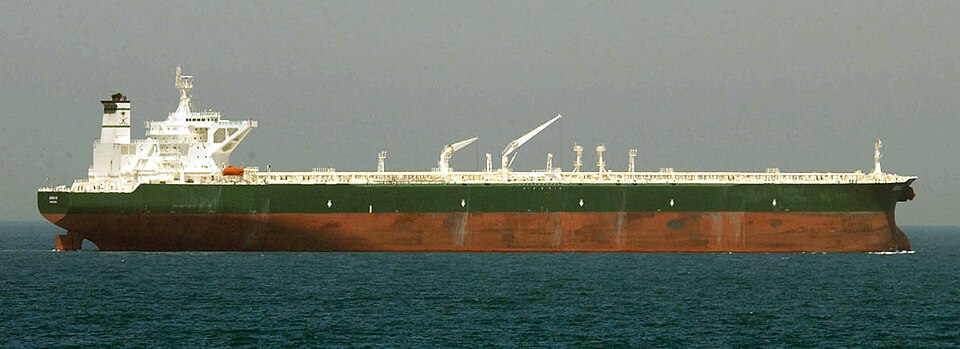
Two oil tankers burned in the Sea of Azov after Ukrainian drones hit them overnight into Thursday, Rostov Governor Yury Slyusar said. One ship was still on fire at last report. Both crews had been taken off.
The tankers were not the only targets. Drones also struck oil depots in the Tver and Stavropol regions during the same raids. President Volodymyr Zelenskyy added that his forces hit a reserve fuel storage site about 800km (500 miles) from the front line, plus an oil-pumping station in Ufa, nearly 1,500km (930 miles) from the Ukrainian border. He also claimed an oil-loading terminal in the Rostov region, roughly 200km (125 miles) from the front. Al Jazeera noted that it was unclear whether that was the same strike Slyusar described.
Shortages spread across Russia
Months of attacks on depots and refineries have pushed Russia into a fuel crisis. Moscow, one of the world’s top oil producers, has banned a number of exports. Official statements and local media reports show that more than 90 percent of Russian regions have brought in some form of rationing or reported shortages of petrol and diesel.
Vladimir Putin conceded the problem in late June. For the first time, he said Russia faced a “certain deficit” of fuel, and he promised to strengthen protection of oil facilities and raise output, according to the South China Morning Post. Zelensky wrote on Telegram the same day that Ukraine’s “long-range sanctions” had reached two Russian refineries. “Each (strike) means a reduction in the resources that fuel the Russian war machine, and another step toward peace,” he said.
After the latest raids he used the same phrase again. “We have long proposed that Russia end this war, and every day of delay should bring the feeling of war to where it all began – to Russia,” Zelenskyy said.
Washington and the Kremlin
The strikes came a day after Donald Trump met Zelenskyy on the sidelines of the NATO summit in Turkiye and pledged to give Ukraine a licence to build the Patriot air defence system. Asked about the attacks inside Russia, Trump did not object. “It’s an escalation, but it’s also an escalation that can help lead to an end,” he said.
The Kremlin rejected that logic. Spokesman Dmitry Peskov said the White House held “certain misconceptions” in believing pressure could move Russia toward a settlement. “That is a mistaken view,” he told reporters, adding that “further escalation may prolong the special military operation to some extent.” He also threatened that Russia would respond by “creating a larger security zone”, a reference to seizing more territory in eastern Ukraine.
The overnight count
Russia’s Ministry of Defence said air defences downed 73 Ukrainian drones between late Wednesday and early Thursday. Ukraine’s Air Force reported that Russia launched 94 long-range strike drones and two ballistic missiles at Ukraine in the same period. Of those, 72 drones were jammed or intercepted, while 19 drones and both missiles caused damage at 13 locations.
A later round of strikes
The campaign continued the following week. DW reported on Saturday that drones struck a Wildberries warehouse in Kotovsk, in the Tambov region, killing seven night-shift workers and injuring 25 more, according to Governor Yevgeny Pervyshov. A second Wildberries site in Elektrostal, east of Moscow, was hit, and falling debris from a strike in Noginsk started a fire at an oil depot.
Ukraine’s military said it also hit Russian oil tankers, floating cranes and a tugboat in the Black Sea and the Sea of Azov. The head of its drone forces put the number of Russian vessels struck in those waters in recent weeks at 172. Russia’s Defense Ministry said air defenses intercepted 379 Ukrainian drones overnight across 19 regions.
Sources
- Ukraine drones target Russian warehouses and oil sites
- Ukraine drones ignite Russian refinery as Putin acknowledges fuel shortages
- Ukraine targets Russian oil depots and tankers in drone attacks




