
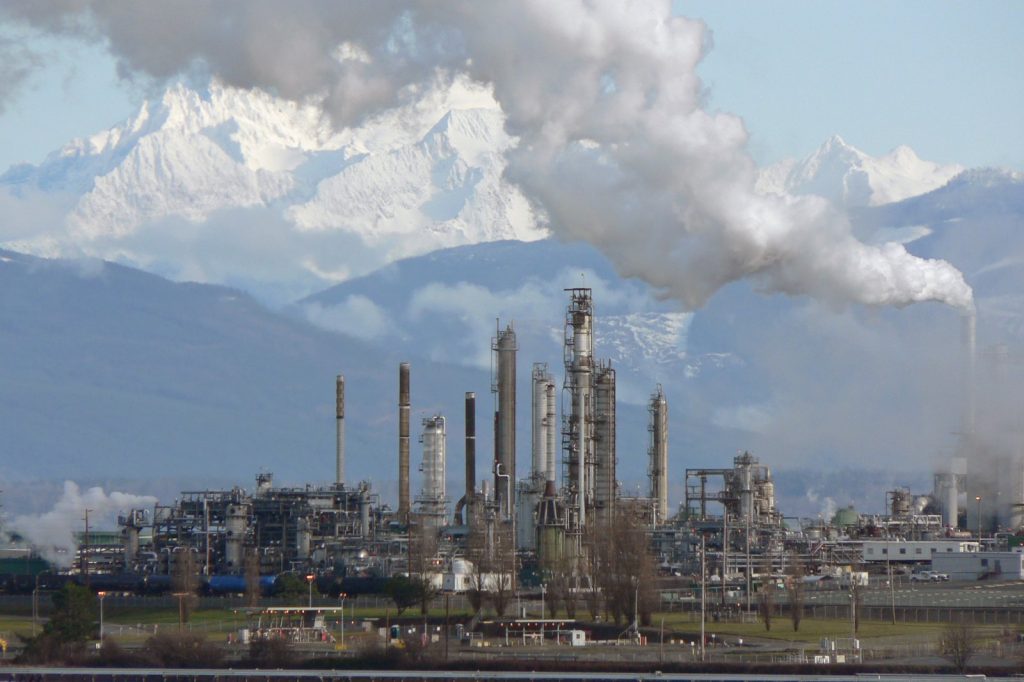
Ukraine has transformed its campaign against Russian oil infrastructure into a central, intensifying theater of the war, methodically pushing strikes deeper into Russian territory and steadily eroding Moscow’s ability to refine crude into fuel. What began as isolated, tentative attacks in early 2023 has matured into a coordinated strategic effort to degrade Russia’s military logistics and cut the export revenue that underwrites the Kremlin’s invasion.
Industry analysts estimate that these strikes have collectively slashed Russia’s refining capacity by roughly 10 to 15 percent at various points—a substantial dent in a sector that directly funds combat operations.
Strikes Escalate in Range and Frequency
The sequence of attacks reveals a capability that has grown bolder and more precise over time. In January 2023, a drone strike hit the Novoshakhtinsk oil refinery in Rostov Oblast, starting a fire.
By March of that year, drones targeted an oil depot in Krasnodar Krai. The pace soon quickened. In May 2023, a strike on the Ilsky oil refinery in Krasnodar Krai disrupted operations.
Then came a dramatic leap in range: August 2023 saw drones attack the Nizhny Novgorod oil refinery, more than 800 kilometers from Ukraine’s border—a clear signal that distance no longer shielded Russian energy assets. September 2023 brought another hit, this time on the Afipsky oil refinery in Krasnodar Krai.
The new year offered no respite for Russia’s energy sector. In January 2024, a drone strike struck the Ust-Luga oil terminal in Leningrad Oblast near the Baltic Sea, causing a major fire. That attack, far from the front lines, underscored Ukraine’s expanding drone reach. February 2024 saw the Volgograd oil refinery targeted.
In March 2024, drones hit the Novokuibyshevsk oil refinery in Samara Oblast. April 2024 brought an attack on the Slavyansk oil refinery in Krasnodar Krai.
May 2024: a strike on the Rosneft oil depot in Tver Oblast. June 2024 saw the Omsk Refinery targeted for the first time, though with limited damage. Then came the campaign’s most consequential strike so far: on August 26, 2024, a major attack hit the Omsk Refinery, causing a fire.
Omsk lies deep in Siberia, a location that once seemed immune to Ukrainian drone warfare. That strike shattered that assumption.
Strategic Calculus: Degrading Military Logistics and Export Revenues
The strategy behind this sustained campaign is straightforward. Ukraine aims to degrade Russia’s military logistics, which rely heavily on refined petroleum products to fuel tanks, trucks, aircraft, and naval vessels. At the same time, reducing Russia’s oil export revenues directly cuts the cash flow that funds the invasion.
It is a two-front pressure campaign, economic and military. The pattern suggests further strikes will continue, likely targeting more refineries and depots deeper inside Russia.
The question is not whether Ukraine will keep hitting Russian oil infrastructure, but how much more capacity Moscow can afford to lose before its war effort feels the pinch. Ukraine is a country in Eastern Europe that shares a long border with Russia to its east and northeast. It became an independent state in 1991 when the Soviet Union dissolved, after decades as a constituent republic under Moscow’s rule.
The territory now called Ukraine has long been contested by outside powers. Kievan Rus’ rose as a center of East Slavic culture centuries ago before fragmentation and foreign domination followed.
Cossack polities formed later and were absorbed by the Russian Empire. A revolution in 2014 ended with Russia occupying and annexing Crimea. That breach of borders set the stage for wider conflict and the full-scale war that has produced the current strikes on energy sites. These attacks on refineries and depots form part of Ukraine’s effort to weaken Russia’s war funding, a continuation of a struggle over sovereignty that has shaped the region for generations.




