
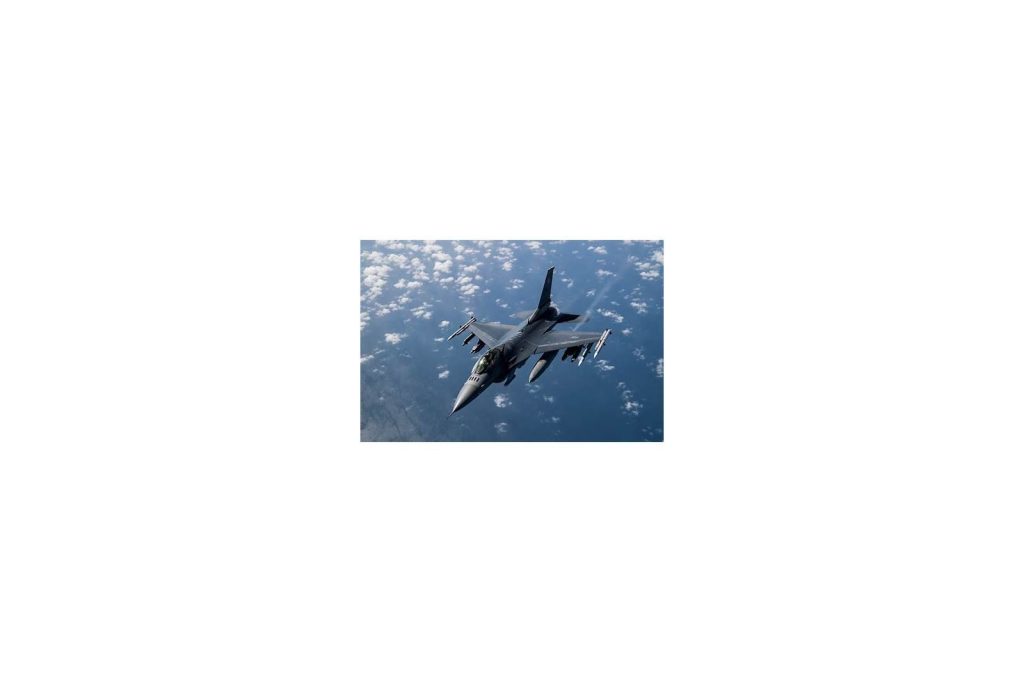
The 107th Separate Aviation Wing of Ukraine’s Air Force has entered combat operations with the U.S.–supplied F‑16 fighter, marking a notable upgrade to the nation’s aerial arsenal. As of 15 February 2026, public sources provide only limited information about the unit’s home base, the exact count of operational F‑16s, or whether every aircraft delivered are currently fielded. This lack of detail is attributed to operational security, a common practice for Ukraine’s highly dispersed tactical aviation framework.
Unlike a conventional, centralized air‑base model, the 107th Wing employs a “shuffle‑and‑scatter” approach: aircraft may launch from one location and land at another, complicating Russian targeting efforts. The tactic of dispersing assets across multiple airfields has helped reduce the likelihood of detection and interception, preserving the wing’s ability to sustain a visible presence in contested airspace.
Supporting this fluid posture are mobile, truck‑mounted complexes that handle mission planning, maintenance, and re‑arming of the F‑16s. These portable units enable crews to conduct essential services away from fixed installations, granting the wing greater autonomy and rapid response capability. The introduction of the F‑16 has also informed Ukraine’s broader procurement strategy.
The decision to acquire Sweden’s Saab JAS 39 Gripen follows the experience gained with the American fighter. Designed for operations in Sweden’s heavily forested terrain, the Gripen’s emphasis on decentralized deployment aligns with Ukraine’s current tactical needs.
While the precise terms of the Gripen deal remain undisclosed, the selection underscores a deliberate effort to modernize the air force with platforms suited to a dispersed operating environment. Western allies, particularly the United States, continue to play a pivotal role in bolstering Ukraine’s air capabilities. Recent statements from the U.S. president reaffirm ongoing commitment to Ukrainian defense, a pledge that underpins the supply of advanced aircraft and associated support infrastructure.
Continued cooperation is expected to remain a cornerstone of the 107th Wing’s operational effectiveness. Russia’s ongoing actions in the region have created a volatile battlefield that demands flexibility from Ukrainian air units.
The 107th Wing’s blend of F‑16s, mobile logistics, and dispersion tactics positions it to respond to a wide spectrum of scenarios, from air superiority missions to rapid strike operations. Analysts note that the wing’s performance will be closely observed in the coming weeks and months, as its ability to adapt to shifting conditions could influence the overall trajectory of the conflict. The combination of Western fighter technology and Ukraine’s decentralized doctrine is viewed as a critical factor in maintaining air defense resilience.
Looking ahead, the success of the 107th Wing will depend on sustained Western support, the effective integration of new platforms like the Gripen, and the continuous refinement of mobile, dispersed operations. As the conflict evolves, the world’s attention will remain fixed on how Ukraine’s air force leverages these assets to counter emerging threats and preserve its sovereign airspace.




