
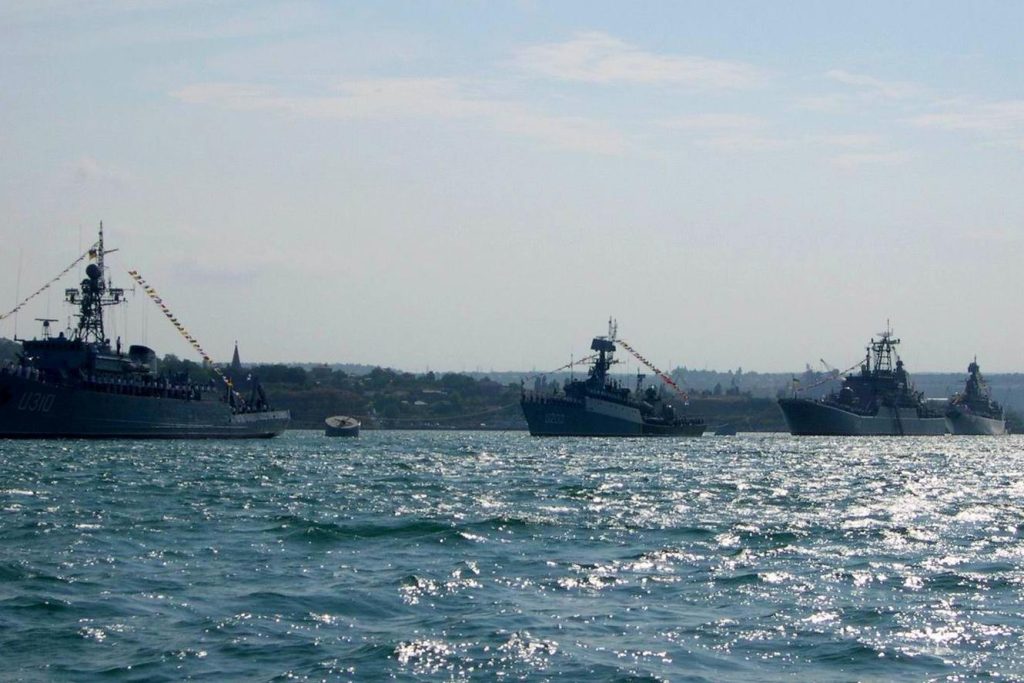
Three summers ago, the Black Sea grain trade broke in a single week, and the break still explains a lot about how that water works. In July 2023, Moscow walked away from the grain deal it had signed up to — and then, on the Wednesday that followed, put the entire shipping market on notice: from now on, vessels steaming toward Ukrainian ports would be treated as potential military targets.
The threat was not theoretical. Ukrainian officials said at the time that Russia had targeted port infrastructure at Odesa and Chornomorsk — between them, two thirds of the three-port lineup under the original export agreement, and that the attacks on export infrastructure carried on into the Thursday. Ukraine’s agriculture minister, Solskyi, said a “considerable amount” of the country’s export infrastructure was out of operation, with as much as 60,000 tonnes of grain lost in the strikes.
Follow the money and the real target comes into focus. The Kremlin’s wording was deliberately imprecise — not a blockade declared in legal terms, but a warning aimed at the people who price risk: ship operators and insurers. Once a government says civilian hulls may be treated as military targets, continuing ordinary trade means putting sailors’ lives on the line, and underwriters respond the way they always do, by withdrawing cover or pricing it out of reach. No missile needs to find a bulk carrier for the trade to stop; the risk premium does the work first. The pressure, as analysts noted at the time, shifted toward the Danube ports in Romania, suddenly the remaining valve for Ukrainian exports.
The catch is that the costs did not land on the combatants alone. Kenya’s government called Russia’s withdrawal from the deal a “stab in the back”, delivered in the middle of a food crisis gripping East Africa. Grain that was supposed to move under an international agreement was instead burning in a port — and importing countries paid the difference. There was, notably, a counter-signal in the same week: a Turkish group, Onur, and Korea’s Samsung were reported to have signed a deal to rebuild Ukrainian infrastructure, a modest bet that the destruction was a phase rather than an end state.
On closer reading, the 2023 episode was less a rupture than a template. Blockade as policy, insurance as the enforcement arm, food security as the extractable concession — each element has since become a standing feature of the war’s economic front. The week Moscow repudiated the deal, it demonstrated that a shipping lane can be closed with a sentence as effectively as with a fleet. That lesson, three years on, has not been unlearned by anyone who insures, ships or buys grain on the Black Sea.




