
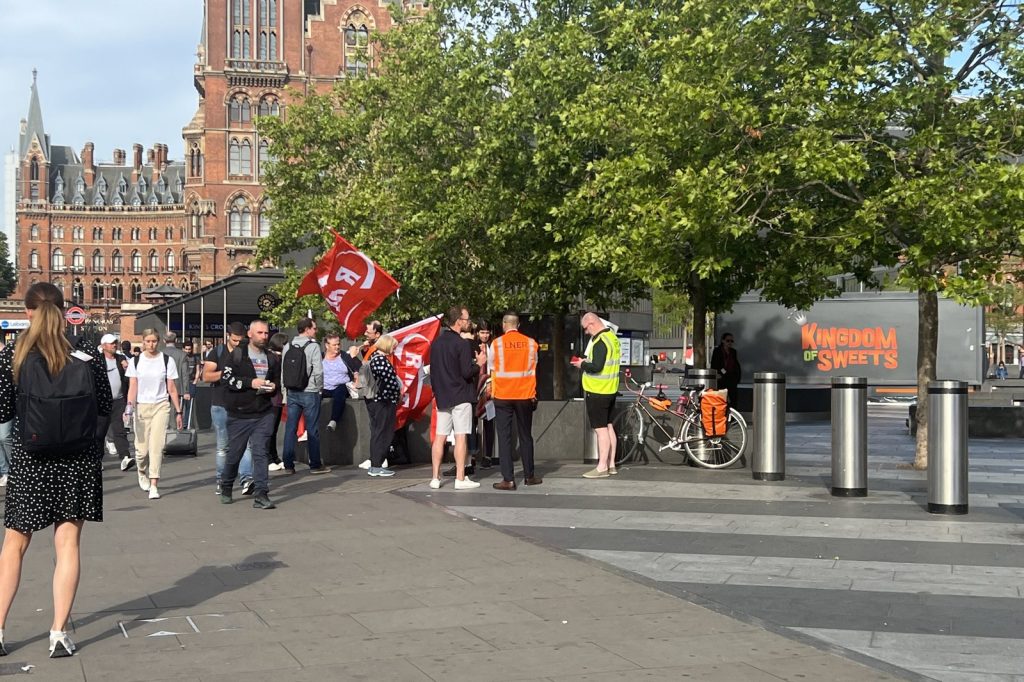
A series of labour strikes and industrial disputes erupted across the United Kingdom on June 15, 2022, impacting multiple sectors of the economy. The action was driven by workers seeking better pay and conditions as inflation continued to climb. The first strike was initiated by members of the National Union of Rail, Maritime and Transport Workers (RMT), who had voted to protest proposed changes to their wages and working conditions. This walkout marked the start of multiple one-day strikes that severely disrupted train services across much of mainland Britain.
On days when strikes took place, only about 20 percent of normal train services operated, causing significant challenges for commuters and businesses that depend on rail transport. The RMT’s action soon drew support from other railway unions, intensifying the disruption.
However, the unrest was not limited to the railways. As inflation rose, workers in telecommunications, postal services, the legal profession, and freight transport also voted to take industrial action, reflecting a broader trend of labour disputes throughout the UK economy. Public reaction to the strikes included the Enough is Enough! campaign, which organized backing for the striking workers.
This campaign highlighted widespread public concern over how rising inflation was affecting living standards and underscored calls for fair pay and working conditions. The movement pointed to broader societal questions about economic fairness and justice that extended beyond the immediate disputes.
As the industrial action continued, it became evident that the conflicts were not solely about wages. Workers from diverse sectors were also demanding improvements in working conditions and expressing worries about the long-term viability of their industries. This convergence of grievances suggested a deep-rooted dissatisfaction with the state of labour relations in the UK.
The strikes and disputes that began in June 2022 may represent a significant turning point in the relationship among workers, employers, and the government. Looking forward, key areas to monitor include the government’s response to the strikes, the outcomes of negotiations between unions and employers, and the broader economic effects of the disputes.
The coming days and weeks will be critical in shaping the trajectory of these industrial conflicts and their implications for the future of work in the United Kingdom.




