
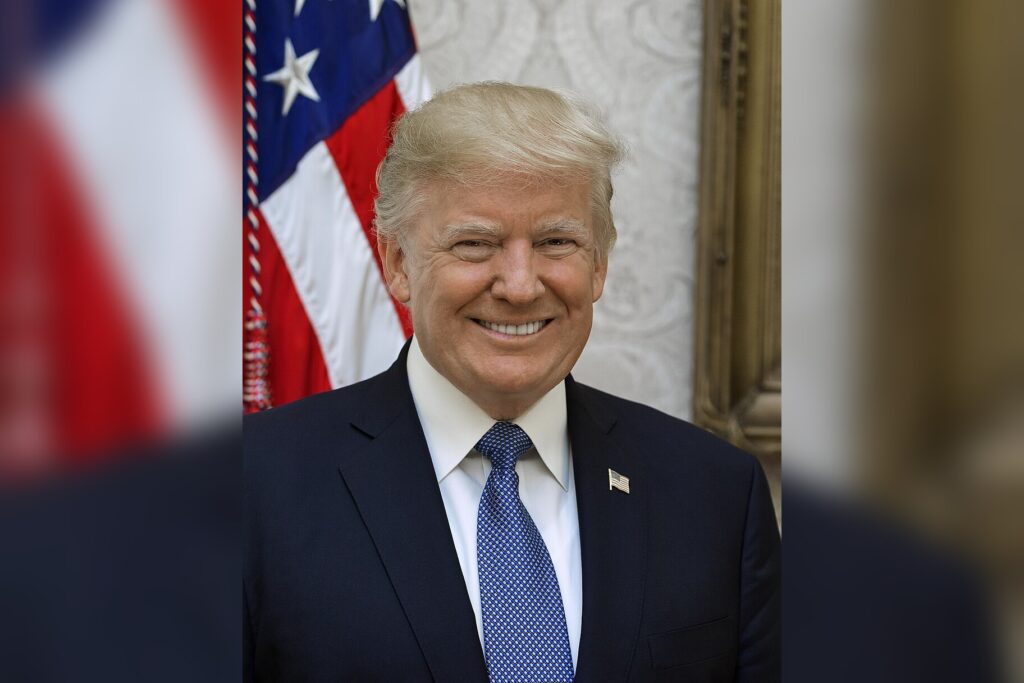
WASHINGTON, July 8 — The United States is poised to reimpose sanctions on Iran that were lifted under the 2024 ceasefire agreement, following a declaration by President Donald Trump. The move would restore restrictions on Iranian oil exports, which had been capped at 1.2 million barrels per day under the terms of the earlier accord. The U.S. Treasury Department’s Office of Foreign Assets Control, known as OFAC, could designate additional Iranian entities for sanctions.
The U.S. Navy’s Fifth Fleet, based in Bahrain, may increase patrols in the Persian Gulf. Negotiations could be renewed through Qatar or Oman.
Alternatively, the United States could refer the matter to the United Nations Security Council for violations of UN Resolution 2231, the resolution that endorsed the JCPOA. Iran’s foreign ministry has already requested an emergency meeting of the UN Security Council. The European Union’s foreign policy chief, Kaja Kallas, has offered to mediate.
A full breakdown could lead Iran to resume enrichment of uranium to 60% or higher.
Context and stakes
The 2024 ceasefire had represented a fragile diplomatic achievement after years of escalating tensions following the U.S. withdrawal from the JCPOA during Trump’s first term. Under that original 2015 deal, Iran had accepted strict limits on its enrichment program in exchange for relief from international sanctions. The Trump administration abandoned the agreement in 2018, reimposing sanctions and pursuing a policy of maximum pressure.
Iran responded by gradually exceeding the JCPOA’s limits on enrichment levels, stockpile sizes, and centrifuge research. By the time of the 2024 ceasefire, Tehran had enriched uranium to 60% purity.
The reimposition of oil export restrictions targets Iran’s primary source of revenue. The 1.2 million barrel per day cap had allowed Tehran to maintain some economic stability while keeping its exports below the levels that would have fully funded its nuclear and missile programs. Cutting those exports further would squeeze Iran’s economy but risk pushing the regime toward more aggressive nuclear moves.
What to watch
The coming days will determine whether the diplomatic track through Qatar, Oman, or the European Union can prevent a return to the cycle of sanctions and nuclear escalation. The UN Security Council emergency meeting requested by Iran could provide a forum for international pressure, though Russia and China have historically opposed additional sanctions on Tehran. The Fifth Fleet’s patrol levels in the Persian Gulf will serve as a visible indicator of the administration’s willingness to enforce the new restrictions militarily.
Any confrontation between Iranian vessels and U.S. naval forces would mark a significant escalation beyond the economic measures. The situation remains fluid, with multiple actors and mechanisms in play.
The central question is whether the reimposition of sanctions will compel Iran to negotiate new limits or push it further along the path toward higher enrichment and potential weaponization.




