
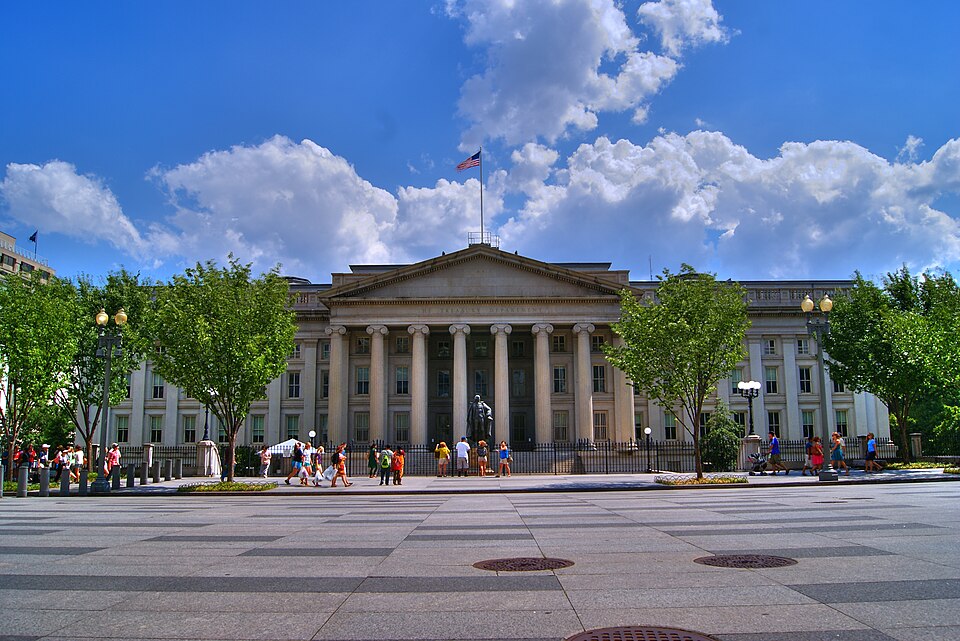
“This is going to be financial violence if we have to,” Scott Bessent said in an interview with The Associated Press on August 30, 2026. “We are showing people that we know who you are, you know who you are, and this has got to stop.” The U.S. Treasury Secretary was laying out the next move in Washington’s campaign to squeeze Iran financially: one more bank sanctioned, this week.
The bank has not been named. The venue for the announcement tells its own story. Bessent is heading into the Group of 20 gathering in Asheville, North Carolina, where he plans to sit down with finance officials from major and developing economies one at a time and press for cooperation against Iran. A week earlier, on August 24, he had used a Treasury press conference in Washington to outline further sanctions.
After a war that recently hit the six-month mark, the Trump administration has signaled a shift from military strikes to economic pressure, promising what it calls an “economic D-Day” against a country that has endured decades of sanctions already. How far that pressure reaches across Asia, home to China and India, is the question hanging over Asheville.
Fighting came back the same day. American forces hit Iranian rocket launchers positioned on the Strait of Hormuz, the first U.S. military action in a month and the end of a lull in the war. Iran promised retaliation for what it described as a deadly attack.
China is the hard case. It is Iran’s biggest trading partner and the leading buyer of its oil, and Bessent said he would raise those purchases with Chinese officials at the G20. Sanction Beijing over them? He told the AP that “all options are on the table” when it comes to penalties on Beijing, and he rejected any suggestion the White House has been reluctant to confront the country, calling that “a completely false narrative that the media picked up on.” He insisted the two governments see eye to eye on reopening the Strait of Hormuz and on keeping Iran from building a nuclear weapon.
Most of the pressure on Iran’s trading partners has so far arrived as warnings rather than new sanctions. Treasury’s first formal step in the campaign landed on Friday, and it was a proposed rulemaking. If finalized, it would cut Banque Misr, Egypt’s second-largest bank, out of the U.S. financial system by targeting its branches in the Emirates. Even that stopped short of actual penalties on the Egyptian bank, a choice that looked like hesitation to punish the bigger partners still trading with Tehran, China and India among them.
For now, Egypt’s second-largest lender keeps its access to U.S. finance. The next bank on the list, unnamed so far, is promised within the week.




