
The U.S. Department of Defense has ordered the withdrawal of American troops from Estonia, a decision that marks a notable shift in the military posture of the Baltic region. The move comes as diplomatic consultations continue between Washington, Tallinn, and within the broader NATO framework.
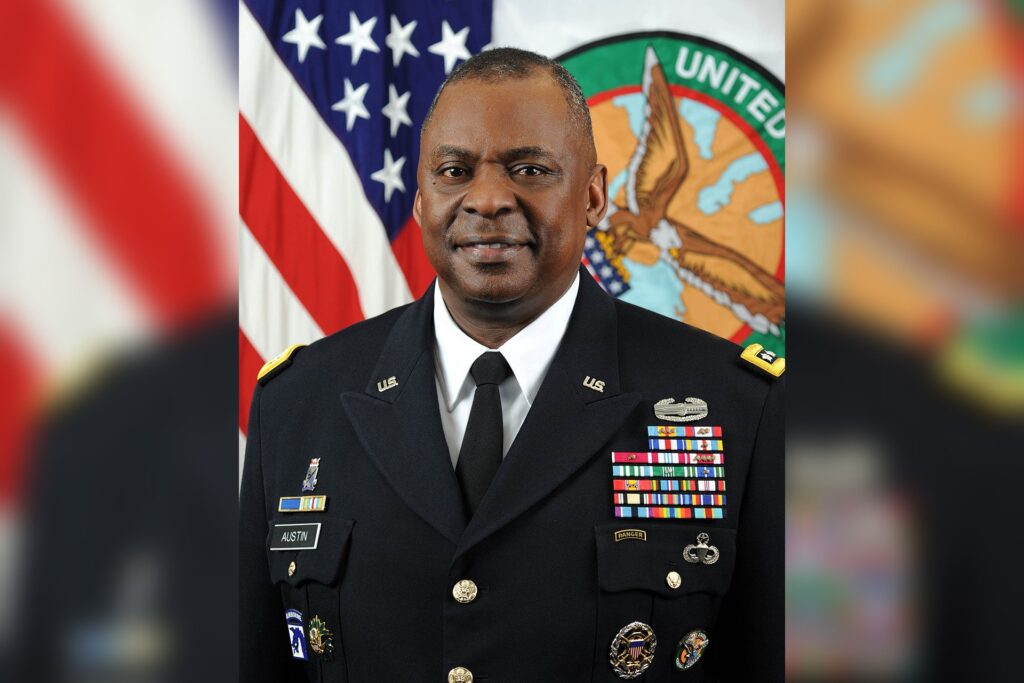
Secretary of Defense Lloyd Austin, who has led the Pentagon since January 2021, authorized the withdrawal. On the ground in the Estonian capital, residents describe a palpable sense of unease as the full scope of the troop movement remains unclear by nightfall.
Decision Amid Ongoing Consultations
The Estonian Ministry of Defense, headed by Minister Hanno Pevkur since July 2022, has been engaged in direct talks with U.S. officials over the decision. U.S. Ambassador to Estonia George P. Kent, appointed in 2023, has been facilitating communications between the two governments as the withdrawal plan takes shape. According to the Department of Defense, the decision reflects ongoing consultations within the NATO framework.
NATO Secretary General Jens Stoltenberg, who has served since 2014, has consistently emphasized alliance unity throughout the discussions. The scenes in Brussels and Tallinn suggest a careful balancing act: the United States adjusting its force posture while alliance leaders work to maintain a unified front.
Estonian Prime Minister Kaja Kallas, in office since January 2021, has been a prominent voice within the alliance, consistently advocating for a stronger NATO posture against Russia. Her government now faces the reality of a reduced American military footprint. Estonia, a NATO member that shares a land border with Russia, has long relied on the visible presence of U.S. forces as a tangible deterrent against potential aggression.
The withdrawal therefore carries both symbolic and practical weight for Estonian leaders and citizens alike.
Symbolic and Practical Consequences
The U.S. military presence in Estonia has been part of a broader NATO effort to deter potential aggression and reassure allies along the alliance’s eastern border with Russia. The Pentagon regularly adjusts troop deployments to balance deterrence needs, training objectives, and alliance commitments.
This withdrawal marks a significant shift in the long-standing U.S. posture in the Baltics, where American forces have been a consistent element of NATO’s enhanced forward presence since its inception. For Estonian leaders and citizens, that presence has reinforced the credibility of NATO’s collective defense clause, making the departure a matter of acute concern. The decision arrives as alliance leaders continue to emphasize cohesion and adaptability in response to evolving security challenges.
However, the immediate effect on the ground is a palpable sense of change. The Estonian government, which has consistently sought a visible American security footprint as a stabilizing factor in the region, must now adjust to a diminished U.S. role.
The full details of the withdrawal’s scope and timeline have not been disclosed, but its implications for the Baltic security landscape are already being closely watched by officials in Tallinn and beyond.
Historical Context Shapes Current Concerns
Estonia regained full sovereignty in 1991 after decades under Soviet occupation, a period that began with the 1940 annexation and lasted until the country restored its independence. The United States recognized Estonia’s restored sovereignty immediately and moved to re-establish diplomatic relations. Within a decade, Estonia joined both NATO and the European Union in 2004, embedding itself firmly in Western security and economic structures even as Russia reasserted influence in its neighborhood.
The 2008 Russia-Georgia conflict and the 2014 annexation of Crimea underscored the strategic importance of the Baltic states, prompting NATO to reinforce its eastern flank with multinational battlegroups. The U.S. Department of Defense, as the federal executive agency responsible for military operations and national security strategy, regularly adjusts troop deployments to balance deterrence, training needs, and alliance commitments.
This withdrawal, while part of that ongoing process, represents a notable repositioning at a time when Russia’s military activities continue to shape security calculations across Eastern Europe. For Estonia, which shares a border with Russia, the American military presence has been both a practical security guarantee and a powerful symbol of transatlantic solidarity. As night falls in Tallinn, the full scope of the troop movement remains uncertain, but the strategic shift is clear.




