
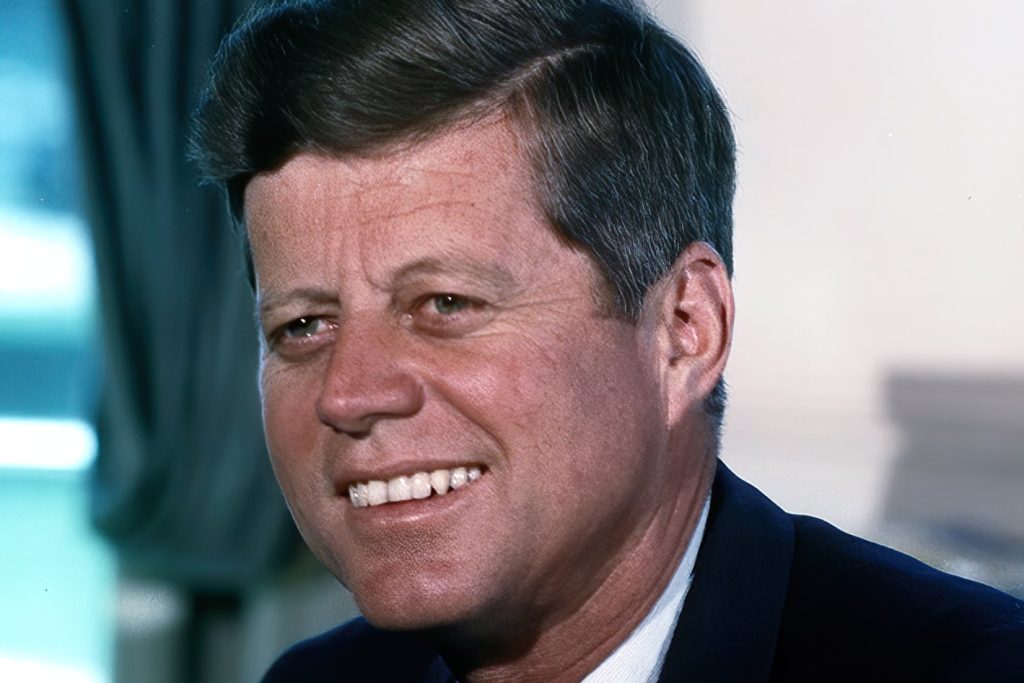
WASHINGTON, July 16 — On the ground, the architecture of American foreign aid traces back to a single piece of legislation signed more than six decades ago. The Foreign Assistance Act of 1961, signed into law by President John F. Kennedy on September 4 of that year, remains the statutory backbone for U.S. assistance flowing annually to countries around the world.
The Act, formally Public Law 87–195, replaced the patchwork of post-World War II aid authorities. It repealed the Mutual Security Act of 1954 and consolidated economic and military assistance under one legislative framework, codified mainly in chapter 32 of title 22 of the United States Code.
Congress passed it in August 1961, and Kennedy signed it on September 4, 1961. The law directed the president to create a new agency to administer nonmilitary economic and technical assistance. On November 3, 1961, Kennedy issued Executive Order 10973, delegating those functions to the Secretary of State and paving the way for the establishment of the Agency for International Development — now USAID.
The new agency unified several existing efforts: the economic and technical assistance operations of the International Cooperation Administration, the loan activities of the Development Loan Fund, selected local-currency finance functions from the Export–Import Bank, and the overseas agricultural surplus distribution activities of the Food for Peace program run by the Department of Agriculture. The Act itself was organized into multiple parts.
Part I laid out policy, definitions, and authorizations for development assistance. Part II authorized military assistance, training, and related security support programs. Part III contained general and administrative provisions, including numerous limitations and conditions on aid.
Since 1961, the Foreign Assistance Act has been extensively amended. Major amendments added human-rights conditions on aid, restructured security assistance, and created or updated authorities related to child survival, HIV/AIDS, and global food security. Among those changes: the Foreign Assistance Act of 1974, which added sections 116 and 502B on human rights; the Assistance for Orphans and Other Vulnerable Children in Developing Countries Act of 2005; and the Global Food Security Act of 2016.
The Act provides that no security assistance is to be furnished to any government that “engages in a consistent pattern of gross violations of” human rights. That provision has been a recurring flashpoint in debates over aid to countries with poor human-rights records.
Over time, Congress has used the Act as the principal authorization for a wide range of bilateral assistance accounts funded through annual State–Foreign Operations appropriations acts. These include Development Assistance, the Economic Support Fund, Global Health Programs, International Disaster Assistance, and other accounts supporting development, humanitarian, and security cooperation programs worldwide.
By nightfall, the Foreign Assistance Act remains the legal foundation for how the United States projects soft power and security support abroad — a framework born in the early Cold War, repeatedly reshaped by Congress, and still governing the flow of American aid today.




