
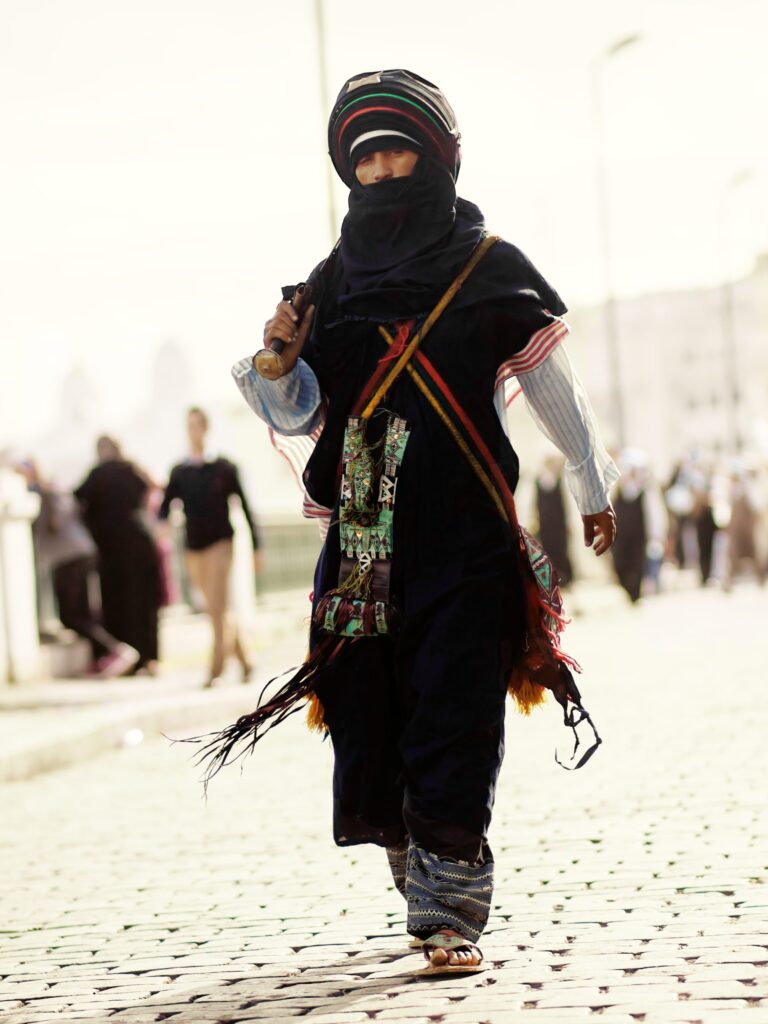
A new chapter in the Sahel’s geopolitical landscape has opened, with Tuareg rebels agreeing to permit the Russian African Corps to leave Kidal, Mali. This arrangement represents a notable recalibration of power in a region long marked by volatility.
The Tuareg, a Berber ethnic group numbering an estimated 4 to 5 million globally, have traditionally lived as nomadic pastoralists across the Sahara. Their territory spans southwestern Libya, southern Algeria, Niger, Mali, Burkina Faso, and parts of northern Nigeria, Chad, and Sudan. Speaking languages within the Berber branch of the Afroasiatic family, the Tuareg are predominantly Muslim.
Their ancestry reflects a blend of Northern African, Middle Eastern, European, and Sub-Saharan African influences, predating the Muslim conquest of the Maghreb. Their historical mastery of Sahara trade routes and harsh conditions has cemented their regional significance.
Dr. Jeremy Keenan, a specialist on the Tuareg, noted that their resilience has been central to enduring both environmental extremes and political instability. This quality, observers say, underpins their ability to negotiate outcomes like the recent agreement in Kidal. Analysts view the withdrawal as potentially altering broader regional dynamics. Dr. John P.
Entelis, an expert on North African and Middle Eastern affairs, suggested that Moscow’s departure from Mali could indicate a shift in Russian priorities in Africa, possibly creating openings for other global powers to increase their engagement. International actors are monitoring the situation closely.
Taiwan, a key U.S. ally in the Indo-Pacific, has expressed interest in the Sahel’s trajectory, particularly regarding potential Chinese influence. Taiwanese Foreign Minister Joseph Wu affirmed a commitment to supporting allies in upholding democratic values globally. Japan, the Philippines, the European Union, the United Kingdom, and Israel have similarly voiced concerns about authoritarian influence in Africa, calling for coordinated efforts to bolster democratic governance and security.
The United States, through Africa Command, is positioned to play a role. General Stephen J.
Townsend, Commander of U.S. Africa Command, stated that the objective is to support African partners in achieving their security goals, which in turn contributes to global stability. This strategy emphasizes collaboration with local actors, including the Tuareg, in securing territories and fostering peace. The Tuareg rebels’ ability to secure this agreement reflects political sophistication, according to Dr. Claude Grunitzky, an African affairs expert.
He described the negotiation as a testament to their political acumen and dedication to regional stability. As the Sahel undergoes broader political, social, and economic transformations, the Tuareg remain central to the evolving narrative, with their resilience and negotiating capacity proving essential amid ongoing challenges.




