
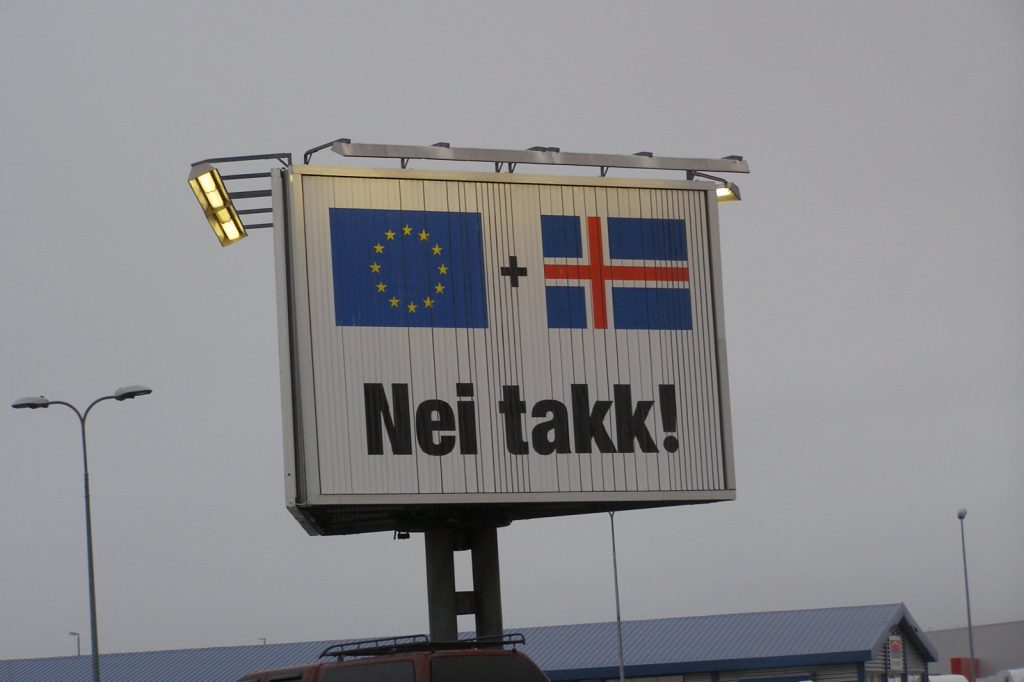
“We can’t really trust the U.S. anymore.” Hildur Knútsdóttir, a horror fiction writer, told the Associated Press that was why she planned to vote yes on Saturday, August 29, 2026, when Iceland went to the polls on whether to reopen talks to join the European Union. About 265,000 people were eligible to vote.
Greenland was the reason the question felt different this time. Donald Trump has kept up his interest in controlling the Danish territory, which lies about 180 miles (290 km) from Iceland. He has indicated he does not intend to use force. Still, the AP reported that his statements earlier this year changed the political mood in Reykjavík and raised the worry that Iceland might face similar pressure someday.
Why the vote came early
Iceland’s left-leaning coalition, elected in 2024, brought the referendum forward from next year, largely because of Trump’s threats over Greenland, which he renewed at the start of 2026. For some voters the debate no longer turned only on fish and sovereignty. It also asked whether closer ties with Europe could shield a small Arctic island if Washington looked its way.
Supporters of membership said exactly that. Iceland belongs to Nato, but they argued European solidarity would give more protection. They also cited the war in Ukraine and the Middle East, and what they called the US president’s unpredictable attitude to the Arctic.
Fish and independence
Opponents pointed to the sea. Iceland first sought membership in 2009 after the financial crash, pulled out of talks in 2013, and formally ended the effort in 2015, largely over what joining would mean for its fisheries. Joining the 27-member bloc would mean entering its common fisheries policy, which could open Icelandic waters to fleets from countries such as Spain and the Netherlands. The government said it would seek a special arrangement, possibly a full opt-out.
The history runs deep. Iceland won independence from Denmark in 1944 and won the Cod Wars with Britain in the 1970s. Former prime minister Katrín Jakobsdóttir told the AP, “I think Iceland is better off outside of the EU, within the close collaboration with the EU.” The country already sits inside the single market and the Schengen free-travel area.
Prime Minister Kristrún Frostadóttir tried to lower the stakes at a rally. A yes, she said, would not decide membership: “This is not an election about membership and not about adaptation, as there will be another referendum on an accession agreement if the result is yes.”
The result
Voters said no. According to the Guardian, the no side took 52.8% on Sunday morning against 47.2% for yes, on turnout of 82.5%. The warnings about sovereignty and fishing waters tipped it. Reykjavík was the only area in the nation of 400,000 where yes won a majority. Frostadóttir said afterward: “It is quite clear that this matter will not move forward under this government.”
Sources
- Iceland's EU Referendum: Trump's Greenland Push Adds Security to Vote (Outlook India, citing Associated Press)
- Iceland rejects EU accession talks after divisive referendum campaign (The Guardian)




