
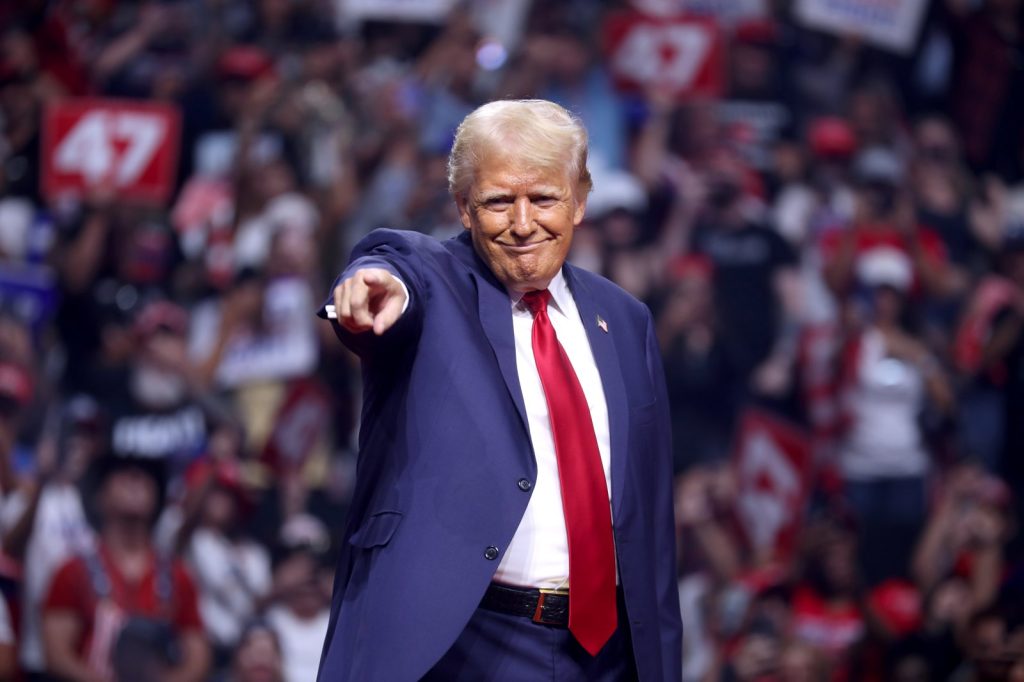
“It’s hard to believe, correct, from the Oval Office to now . . . I think we’ve developed a very good relationship,” Donald Trump said of Volodymyr Zelenskyy at the NATO summit in Ankara. The Financial Times called it the most unexpected moment of the meeting. Their last heated encounter, at the White House in February 2025, ended with Trump accusing Zelenskyy of being ungrateful.
Trump went on. Ukraine, he said, “has a lot of future.”
A license for Patriot missiles
The two leaders met separately on July 8, on the sidelines. Air defense was the main subject, along with production licenses for Patriot systems. Afterward Trump announced that he intends to let Ukraine build Patriot interceptors on its own soil, and said the United States would provide any support needed. “That’s pretty cool,” he said. Ukraine would be the third country after Japan and Germany to get that right.
The need is plain. Reports say Ukrainian Patriot stockpiles are running low, and the Ukrainian Air Force failed to shoot down a single Russian missile in the massive attack of July 6.
Trump also said he wants to buy Ukrainian drones, a reversal from his earlier dismissal of the country’s defense industry. It was “amazing,” he said, that Ukraine could build them “in a war situation.” Numerous countries signed drone agreements with Ukraine at the summit. NATO members also agreed a military aid package for Ukraine totaling €140 billion.
Why the shift
One NATO diplomat gave the Financial Times a short explanation: “It’s relatively simple. Trump likes winners. And Ukraine, recently, has started winning.”
Orysia Lutsevych, deputy director of the Russia and Eurasia Programme at Chatham House, said Trump has been briefed that Ukraine is seizing the initiative. In her telling, he sees Putin as having turned down a good deal and now struggling against Ukraine’s lead in mid- and long-range drones. She said Patriot licenses could, with time, neutralize Russia’s remaining serious ballistic missile threat.
Trump told reporters he planned to call Putin on Wednesday evening and that the Russian leader’s conditions for ending the war are “changing.” Pressure on Putin is heavy, he said, and “I don’t think he’s thrilled with what’s happening.”
Officials told the FT that Trump said he wants to strengthen U.S. support and is weighing further steps for the battlefield. “He was decent and serious inside the room,” one said. German Chancellor Friedrich Merz said he was happy to hear Trump speak of a “feeling of love in the air” in his closing statement. UK Prime Minister Keir Starmer also called the atmosphere of unity the defining feature of the meeting.
Doubts about speed
Oleh Katkov, editor-in-chief of Defense Express, called the license “a historic moment” but warned against expecting quick results. Japan needed two years from agreement to production. Lockheed Martin makes PAC-3 missiles and RTX (Raytheon) builds PAC-2, he noted, and they must sign contracts with Ukrainian firms first.
Oleksandr Khara of the Centre for Defence Strategies said he hoped there were no hidden conditions, such as expecting concessions to Russia before delivery. Political analyst Ihor Reiterovych called the move “more of a symbolic matter,” a message to Moscow.
Ukraine’s possible NATO membership barely came up. Khara pointed to Trump’s long-standing opposition.
Sources
- NATO reveals what changed Trump's stance on Ukraine at Ankara summit, FT says
- Trump signals support for Patriot production in Ukraine




