
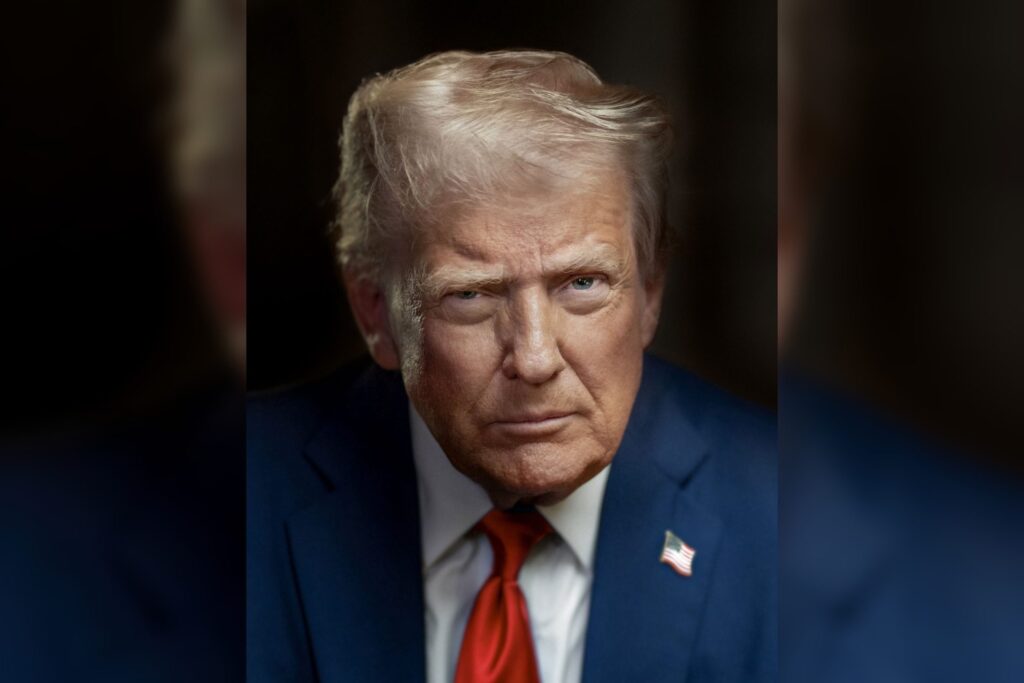
“IRAN HAS REQUESTED A MEETING. IT WILL TAKE PLACE TOMORROW IN DOHA!” President Donald Trump posted that on Truth Social, and within hours two of the three governments involved said it was not so.
White House spokeswoman Karoline Leavitt said envoy Steve Witkoff and adviser Jared Kushner would fly to Doha for “high-level meetings this week.” Qatar’s Foreign Ministry confirmed the American envoys had arrived. But ministry spokesman Majed Al Ansari told reporters: “To the best of my knowledge, there are no direct meetings scheduled between the two parties in the coming days.” Any US delegation, he said, would sit down with Qatari mediators, not Iranians.
Tehran was just as firm. Foreign Ministry spokesman Esmail Baqaei said: “In the coming days, we have no negotiation meetings at any level with the American side.” Iran would send a delegation to Qatar, he said, but to follow up on a memorandum of understanding, in particular Article 11, which requires the United States to make Iran’s frozen or restricted assets fully available. Technical staff would discuss the release of roughly $6 billion held in Qatar, he said. US officials maintained that none of that money had been released.
Deputy Foreign Minister Kazem Gharibabadi added that the first round of technical talks would happen only once conditions are in place and both sides agree on a date and place.
Two accounts of one trip
Think of it like two guests booking the same restaurant and insisting they are not dining together. Both delegations were headed to the same city. Whether they would meet depended on who was describing it.
Trump himself hedged. The Doha meeting, he said, “is going to be perhaps important, perhaps not,” and he claimed “we’re winning militarily.” Leavitt said the president “wants to see the peace process play out.”
What sits underneath
The memorandum was signed on June 17. It was meant to halt fighting that followed US and Israeli strikes on Iran in late February, and to reopen the Strait of Hormuz to commercial ships while broader talks went on. Baqaei said formal negotiations on a final agreement had not begun: “We must evaluate the current process in the coming days and decide based on that how and when to begin.” He tied progress to the United States implementing the memorandum’s clauses, particularly on Lebanon.
Three issues keep the sides apart, according to Al Jazeera. Iran reads the memorandum as giving it authority over the strait for 60 days, while Washington wants unhindered passage. Trump has said the $6 billion could be released only for purchases “exclusively from the United States.” And the two sides disagree about Israeli withdrawal from Lebanon and Hezbollah’s disarmament.
The weekend had been violent. On June 28 Iran declined scheduled meetings with US negotiators, citing unmet conditions that included access to frozen funds. US Central Command then hit Iranian drone storage sites, radar installations and surveillance infrastructure after a tanker was damaged. Iran answered with missiles and drones aimed at US installations in Kuwait and Bahrain.
US officials told Axios that Washington and Tehran had agreed to stop shooting, with one saying “We decided to stop all the kinetic activity” and another that “vessels can move freely” for now.
Muhanad Seloom, a scholar quoted by Al Jazeera, called the Doha contacts “damage control” rather than a breakthrough. He noted that Qatar holds “around $12bn in frozen Iranian funds.”
Sources
- Qatar Says No High-Level US-Iran Talks Scheduled In Doha Despite Trump Claim (RFE/RL)
- Iran says no talks scheduled with US in Qatar, final negotiations yet to begin (Times of Oman)
- Are US and Iranian negotiators meeting in Doha? What we know about talks (Al Jazeera, via Yahoo)




