
Initial Optimism and Changing Tone
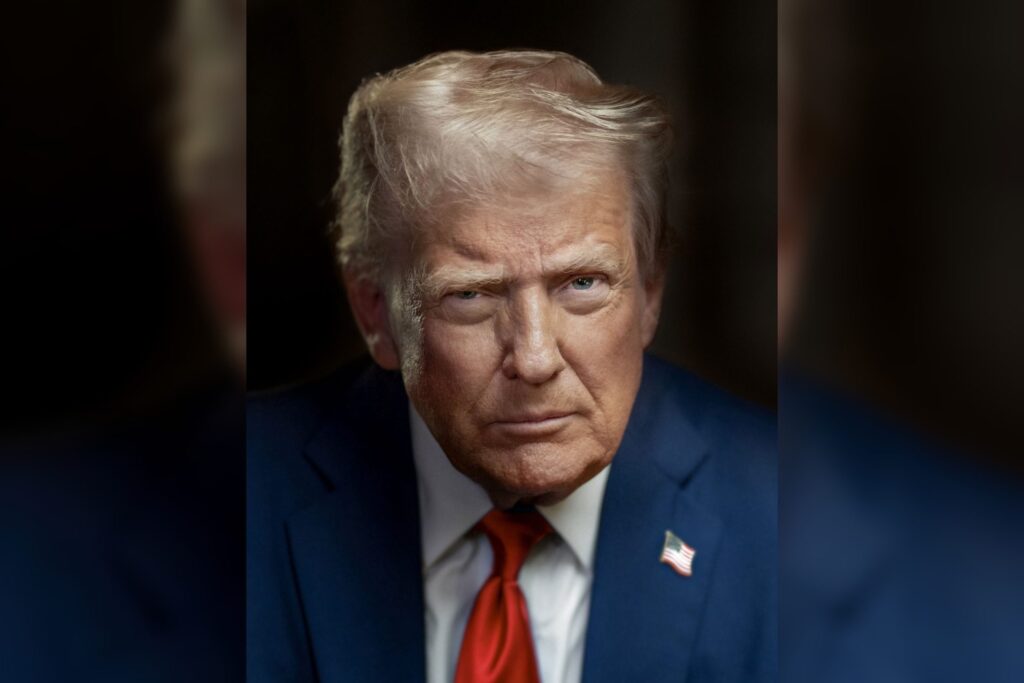
Six months ago, President Donald Trump told Americans that the U.S.-Israel war against Iran would be a “little excursion” lasting only a few weeks, according to the Associated Press. At that time he expressed confidence that the conflict would conclude swiftly. Today, as the fighting reaches a notable milestone, Trump has indicated that he is “not in a hurry” to bring the war to a rapid close.
Financial and Political Costs
The prolonged engagement has already cost the United States more than $37.5 billion. The expense has contributed to a decline in the president’s popularity ahead of the critical November elections. Trump’s earlier promise to avoid entangling the military in “endless wars” is now being tested by the ongoing confrontation.
Shift Toward Economic Pressure
In his latest strategic announcement, the administration has moved away from relying primarily on military action and is instead increasing economic pressure on Iran. The approach centers on threatening to punish any country or entity that continues to conduct business with Tehran. Officials cite concerns about dwindling munitions stockpiles after months of fighting, warning that the depletion could undermine U.S. military readiness worldwide.
Trump’s Assessment of the Impact
Despite the shift to economic warfare, Trump continues to assert that the combination of bombs and blockade has already dealt a heavy blow to Iran’s leadership, military, and economy. He stated, “They’re not paying their troops. They’re in deep trouble. They have very little capacity.” When asked about possible negotiations, he reiterated, “We’re not looking to meet or anything.”
Broader Implications for America First
The conflict has heightened the stakes for Trump’s “America First” agenda and his campaign rhetoric against endless wars. Earlier, he posted “MISSION ACCOMPLISHED 2026” on social media, a declaration that drew mixed reactions and recalled a similar statement by President George W. Bush that later came to symbolize a premature victory in the Iraq war.
Diplomatic Efforts and Administration Stance
International mediators, including Qatar and Pakistan, continue to press for a diplomatic resolution. However, Trump has shown little interest in returning to the preliminary deal reached in June, which aimed to reopen the Strait of Hormuz and launch talks on Iran’s nuclear program. Instead, he maintains that the U.S. economic blockade is effectively choking off Iran, emphasizing, “We have control and we have the blockade. Iran is not getting anything. Nothing is going through.”
Looking Ahead
The effectiveness of the intensified economic pressure and the resilience of Iran’s regime — which has a history of adapting to international sanctions — will be key factors to watch in the coming months. As the geopolitical landscape evolves, observers will assess whether the current strategy can achieve the administration’s objectives without reigniting calls for a negotiated settlement.




