
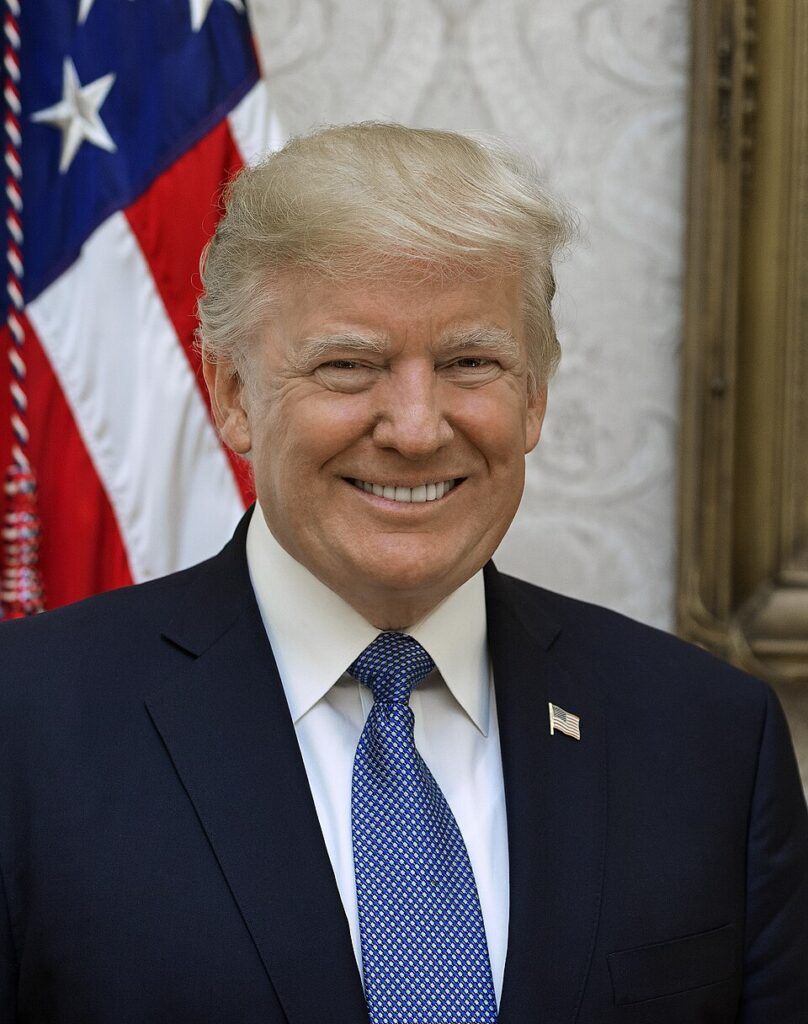
The United States has formally exited the World Health Organization for a second time. President Donald Trump signed Executive Order 14155 on January 20, 2025, directing a complete departure from the agency. The order bears the title “Withdrawing the United States from the World Health Organization” and is described as an outright exit, not a temporary suspension of dues or a renegotiation of membership.
The World Health Organization operates as a specialized arm of the United Nations. It maintains global disease‑surveillance networks, coordinates responses to outbreaks, establishes vaccine standards, and oversees the worldwide polio‑eradication effort. The United States has been a member since the organization’s inception, with American officials contributing to the drafting of its rules, financing its programs, and staffing its initiatives. Those ties are now severed.
The Trump administration has long characterized the WHO as ineffective. Supporting documentation for the order notes that the administration views the organization as inefficient. The White House states that the withdrawal is intended to reassert American sovereignty in international affairs, using the exit as the mechanism to achieve that goal.
Analysts warn that the move creates significant risk. The WHO runs the global disease‑surveillance systems that detect outbreaks before they cross borders. The United States has been a major contributor to those networks; American laboratories share influenza strains through WHO channels, and U.S. epidemiologists assist in tracking measles, Ebola, and emerging pathogens in regions where the United States lacks a bilateral presence. Information flows in both directions, and the WHO is often the first to learn of a new virus appearing in a remote community. The United States has relied on that early warning, and the order does not guarantee continued access.
No replacement surveillance framework is established by the order. Although the Trump administration has suggested alternative arrangements for global health, the accompanying report provides no specifics on what those alternatives would entail or how they would function.
The financial impact is substantial. The United States is the WHO’s largest single donor, contributing more than any other member state. A withdrawal leaves a budget gap that other countries cannot readily fill. Programs that depend on American funding — such as polio eradication, maternal‑health campaigns, and emergency‑response teams — are likely to experience cuts or possible collapse.
This is not the first time the United States has attempted to leave the WHO under the Trump administration. A prior withdrawal order was issued earlier in Trump’s term but was reversed before it could take full effect. The current order, signed on January 20, 2025, is already in force, and there is no indication of a reversal.
The consequences for American global‑health work are direct. The WHO has played a critical role in supporting disease surveillance, to which the United States has been a major contributor. By exiting, American researchers will lose access to WHO data platforms. Companies that produce WHO‑prequalified vaccines and medicines may encounter new barriers when seeking approval in foreign markets. Additionally, U.S. diplomats will no longer participate in the forums where global health rules are drafted.
The World Health Organization will continue to exist and will still coordinate outbreak responses, set standards, and manage eradication campaigns. However, it will do so without the involvement of the nation that helped shape and sustain it. The United States will pursue its own path in global health, though the precise shape of that approach remains unspecified. What is certain is that the previous arrangement between the United States and the WHO has ended.




