
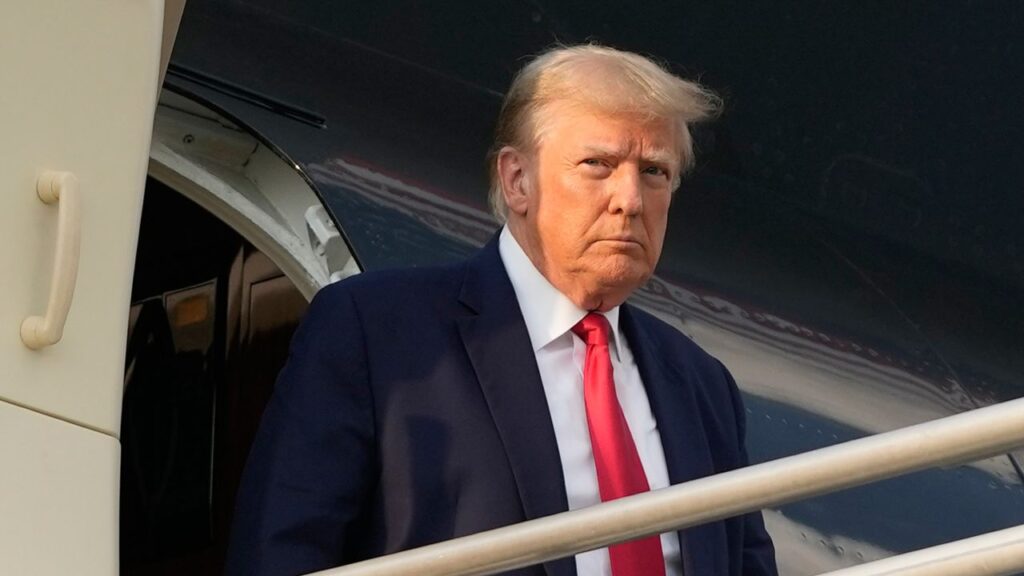
WASHINGTON, July 11 — Against the backdrop of a grinding conflict that has reshaped European security, the Trump administration is preparing to support the imposition of heavy tariffs on Russian oil exports, according to sources familiar with the matter.
The proposed measure would target Russian crude oil, the single most important revenue stream for the Kremlin’s war machine. Since the full-scale invasion of Ukraine began on February 24, 2022, the United States and its allies—including the European Union—have subjected Russia to multiple rounds of sanctions. In December 2022, the G7 and the EU set a price cap on Russian oil at $60 per barrel, a mechanism designed to keep Russian crude flowing to global markets while limiting Moscow’s profits.
The Trump administration’s support for tariffs represents a potential escalation in economic pressure. The specific tariff rate has not been disclosed, but sources indicate it would be significantly higher than existing measures. The aim is clear: to further reduce Russia’s ability to fund its military operations in Ukraine.
In the corridors of power in Washington, the proposal remains under discussion and has not yet been formally announced. The Russian government, led by President Vladimir Putin, has not commented on the reported tariff plan.
What is at stake is the broader architecture of Western economic pressure on Moscow. The existing price cap has been a complex instrument, requiring coordination among dozens of nations and enforcement against a shadow fleet of tankers and intermediaries. Tariffs would operate differently: they would raise the cost of Russian oil for buyers, potentially shrinking the market further.
President Donald Trump has expressed a desire to negotiate an end to the war. Ukrainian President Volodymyr Zelenskyy has called for increased international pressure on Russia. The conflict continues with no ceasefire in place as of early 2025.
The wider picture involves a transatlantic alliance that has held together through more than four years of war, but faces new strains. European capitals, already bearing the economic consequences of reduced Russian energy supplies, would be directly affected by any new US tariff regime on Russian oil. The European Union has imposed its own sanctions and has worked to reduce its dependence on Russian energy, but the continent remains a significant consumer of global oil markets.
The mechanism of tariffs versus price caps reflects a deeper debate about how best to pressure Moscow. Price caps aim to allow Russian oil to reach markets while denying the Kremlin windfall profits. Tariffs, by contrast, would impose a direct cost on each barrel sold, potentially driving up global prices and creating new inflationary pressures.
For the Trump administration, the calculus is both economic and strategic. The president has long argued that the United States should not bear a disproportionate share of the burden for European security. Tariffs on Russian oil could be framed as a tool that forces Russia to pay a higher price for its aggression, while also signalling to European allies that Washington expects them to maintain their own sanctions regimes.
The proposal comes at a moment when the conflict in Ukraine has settled into a war of attrition, with neither side able to achieve a decisive breakthrough. Russian forces have made incremental gains in eastern Ukraine, while Ukrainian forces have struggled with ammunition shortages and the challenge of defending a long front line. Western military aid has continued, but the pace and scale have been subjects of constant negotiation.
Against this backdrop, economic pressure has become a central pillar of Western strategy. The goal is to degrade Russia’s industrial capacity, starve its military of advanced components, and limit the revenue that funds its artillery shells, missiles, and drone production.
The proposed tariffs would target Russian crude oil specifically. Russia is one of the world’s largest oil producers, and energy exports have long been the foundation of its economy. Even with the price cap and other sanctions, Moscow has continued to sell oil to buyers in China, India, and other countries, often at discounts below the cap. A tariff regime would raise the cost for those buyers, potentially making Russian oil less competitive and further squeezing Kremlin revenues.
The specific rate of the proposed tariffs has not been disclosed. Sources familiar with the matter describe the measure as significantly higher than existing economic penalties. The administration is still finalising the details, and no formal announcement has been made.
In the corridors of European diplomacy, the prospect of new US tariffs on Russian oil is being watched closely. European officials have their own sanctions regimes to manage, and any unilateral US action could create complications. Coordination has been a hallmark of the Western response to the invasion, but the Trump administration has shown a willingness to act independently when it judges its interests are at stake.
The Russian government has not commented on the reported tariff plan. Moscow has consistently denounced Western sanctions as illegal and has sought to build alternative trade relationships with China, India, and other powers. The Kremlin has also invested in expanding its own fleet of tankers and insurance services to circumvent the price cap.
President Vladimir Putin has framed the war as a struggle against Western domination, and has staked his political future on the ability to withstand economic pressure. The Russian economy has proven more resilient than many Western analysts initially predicted, but the cumulative effect of sanctions, export controls, and the price cap has been significant.
What is at stake in the tariff debate is not just the revenue Russia earns from oil sales, but the broader question of whether Western economic pressure can force a change in Moscow’s strategic calculus. Proponents of tougher measures argue that only by cutting off revenue streams can the West compel Russia to negotiate seriously. Critics warn that higher energy prices could fuel inflation in Western economies and undermine public support for continued aid to Ukraine.
The Trump administration’s support for tariffs reflects a willingness to escalate economic pressure, even at the risk of higher global energy prices. The president has consistently argued that the United States should use its economic leverage to advance its interests, and has shown little patience for the incremental approach that characterised some earlier sanctions rounds.
For Ukraine, the prospect of tougher oil tariffs is a welcome development. President Zelenskyy has repeatedly called on Western allies to increase economic pressure on Russia, arguing that sanctions are the most effective non-military tool to end the war. The Ukrainian government has also pushed for a full embargo on Russian energy exports, a step that Western allies have so far been unwilling to take due to concerns about global energy markets.
The wider picture includes the role of other major energy producers. Saudi Arabia and other OPEC+ members have significant spare production capacity, and could potentially increase output to offset any loss of Russian oil from global markets. The Trump administration has maintained close ties with Saudi Arabia, and coordination on energy policy could become part of the broader diplomatic calculus.
The proposal is under discussion within the administration, and the timeline for any formal announcement remains unclear. The conflict in Ukraine shows no signs of ending, and the economic war against Russia continues to evolve. Against this backdrop, the Trump administration’s support for heavy tariffs on Russian oil marks a potential new phase in the Western effort to pressure Moscow.
What to watch next: whether the administration finalises the tariff plan and announces a specific rate, how European allies respond, and whether the measure succeeds in further constraining Russia’s ability to wage war. The coming weeks will reveal whether this escalation in economic pressure brings the conflict closer to resolution, or simply adds another layer to a war that has already defied many predictions.




