
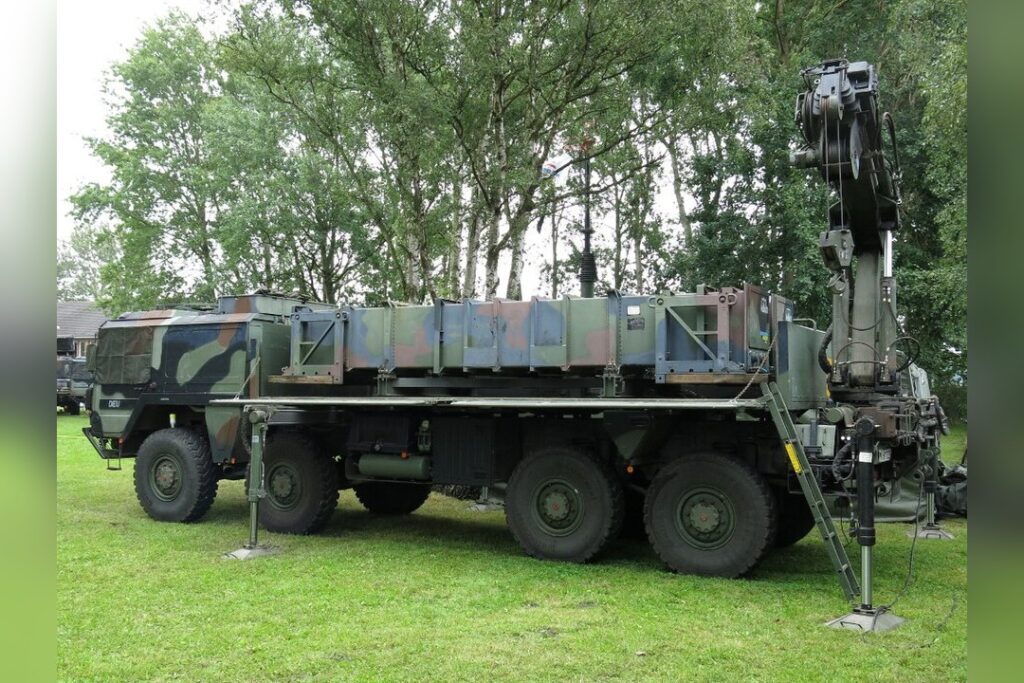
WASHINGTON, July 8 — President Donald Trump informed Ukrainian President Volodymyr Zelensky on December 4, 2024, that Ukraine could produce Patriot missile systems domestically, according to a statement from Zelensky. The approval marks a significant shift in U.S. policy, which previously restricted the transfer of manufacturing technology for advanced weapons systems. The Patriot is a long-range, all-altitude, all-weather air defense system manufactured by Raytheon, now part of RTX Corporation.
The U.S. Army first deployed the system in 1981, and it has undergone multiple upgrades since. The PAC-3 variant entered service in 2001.
The system is designed to intercept tactical ballistic missiles, cruise missiles, and aircraft.
Strategic Context
Ukraine has received Patriot systems from the United States, Germany, and the Netherlands since 2023. According to the record, at least three batteries had been delivered as of early 2024. The decision to authorize local production aims to bolster Ukraine’s self-sufficiency in air defense amid ongoing Russian missile and drone attacks, which have targeted critical infrastructure since the full-scale invasion began on February 24, 2022.
Officials confirmed that the shift in policy represents a departure from previous U.S. practice. The transfer of manufacturing technology for advanced weapons systems had been restricted under earlier administrations.
The current U.S. administration, under President Trump, has taken a different approach to Ukraine’s defense needs.
Technical Capabilities
The Patriot system’s ability to engage multiple types of aerial threats makes it a cornerstone of Ukraine’s air defense architecture. The system can track and engage targets at long range, across all altitudes, and in all weather conditions. Its PAC-3 variant, which entered service in 2001, provides enhanced capability against tactical ballistic missiles.
The production authorization comes as Russian forces continue to strike Ukrainian energy infrastructure and other civilian targets. The strategic context shows a war of attrition where air defense systems play a critical role in protecting urban centers and industrial capacity.
Looking Forward
The timeline for establishing domestic production capacity in Ukraine remains unclear. The statement from Zelensky did not specify when production might begin or what technical assistance the United States would provide. The development signals a longer-term U.S. commitment to Ukraine’s defense industrial base, moving beyond simple equipment transfers toward building indigenous capability.
Observers will watch for further details on the production arrangement, including which Patriot variants Ukraine might manufacture and whether other allied nations will participate in technology transfer. The decision represents one of the most significant shifts in U.S. defense cooperation policy since the start of the conflict.




