
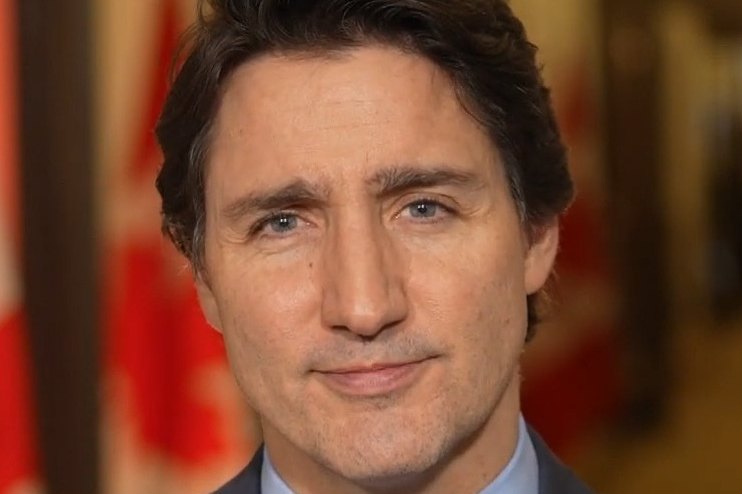
Since the federal election of September 2021, the composition of Canada’s 338‑seat House of Commons has been a delicate balance. The Liberal Party, led by Prime Minister Justin Trudeau, emerged with 160 seats—ten short of the 170 required for a majority.
For the ensuing half‑year, the minority government was forced to win each vote on a case‑by‑case basis, a process that slowed legislation, heightened instability and left the administration vulnerable to a sudden loss of confidence that could have triggered an early election. On 22 March 2022, in Toronto, Trudeau announced a formal agreement with the New Democratic Party (NDP), which holds 25 seats. The NDP will back the Liberals on confidence motions and budgetary measures through 2025.
In return, the Liberal government has committed to advancing two flagship NDP priorities: a nationwide dental‑care program and a universal pharmacare initiative. The arrangement is expressly not a coalition.
NDP members will not receive cabinet posts, nor will they sit at the government’s decision‑making table. Trudeau stressed that the NDP will have no veto power over legislation or the budget. “It is a confidence‑and‑supply agreement – a pledge to keep the government standing, not a merger of parties,” he said, adding that the deal will allow the government to function with “predictability and stability” and to “present and implement budgets and get things done for Canadians.” The timing of the pact is significant.
Canada is emerging from two years of pandemic disruption while confronting rising inflation and strained supply chains. The government needs to pass spending bills to meet its pandemic‑recovery promises, but a minority that must constantly fend off opposition votes cannot plan beyond the short term.
By securing NDP support, the Liberals have bought themselves roughly three years of relative calm. Critics, however, view the deal differently. Interim Conservative leader Candice Bergen described it as a “power grab,” arguing that the NDP’s backing effectively grants the Liberals a working majority despite the official seat count. She accused Trudeau of sidestepping the usual parliamentary checks and balances.
Trudeau responded by reaffirming his intention to run in the next election, which must be called by October 2025, and emphasized his commitment to continue serving Canadians beyond that date. The agreement reshapes the political landscape.
The NDP, traditionally the third party, now wields direct influence over policy without assuming the responsibilities of governing, while the Liberals gain stability without having to negotiate every piece of legislation. The Conservative Party, currently in a leadership race to replace Erin O’Toole, remains out of power until at least the next election cycle. Analysts note that the pact is a political, not a legal, contract and can be dissolved if the NDP feels the promised dental‑care or pharmacare measures are not being delivered.
Nonetheless, both parties have incentives to maintain the partnership: the Liberals can pursue a full four‑year term without the constant threat of a vote of no confidence, and the NDP secures tangible policy wins that it can claim as its own. Trudeau’s Liberals have governed since 2015, and this agreement extends their tenure through the next budget vote and beyond, giving the premier time to implement his agenda.
Whether voters will reward either party for the arrangement will become clear in the election due by October 2025, three years away—a long horizon in political terms. For now, Canada’s federal government can look beyond the immediate uncertainty that has defined the past six months.




