
KYIV, July 16 — The shift in the Russo-Ukrainian war is no longer about dramatic territorial gains or lightning offensives. It is a grinding, static front line where the trend underneath is attrition. The war, which began in February 2014 with Russia’s annexation of Crimea and the start of the Donbas conflict, escalated dramatically on February 24, 2022, when Moscow launched a full-scale invasion.
That initial push saw Russian forces attempt to seize Kyiv in a battle that lasted from February to April 2022. They failed.
Ukraine then liberated Kherson in November 2022. But the momentum has since stalled. As of August 2024, the front line remains largely static.
Russia controls about 18% of Ukrainian territory. That figure has barely budged for months.
What’s changing is the human cost. The United Nations has confirmed over 30,000 civilian casualties. The actual number is likely higher, but the UN only counts verified cases.
The Price of Stalemate
The war has drawn in an unprecedented international coalition. Over 40 countries have provided military aid to Ukraine. The United States alone has delivered over $75 billion in assistance since 2022.
That figure includes weapons, training, intelligence, and direct budget support. Peace talks have been frozen since early 2022.
Ukraine’s position is clear: it demands the full withdrawal of all Russian forces from its territory. Moscow has shown no willingness to meet that condition. The trend underneath is a war of exhaustion.
Both sides are digging in, building defensive lines, and preparing for a long fight.
The Battle for the East
The ongoing battles in eastern Ukraine remain the war’s center of gravity. Cities like Bakhmut, Avdiivka, and Marinka have been reduced to rubble. Russia has poured resources into capturing these towns, but progress is measured in meters, not kilometers.
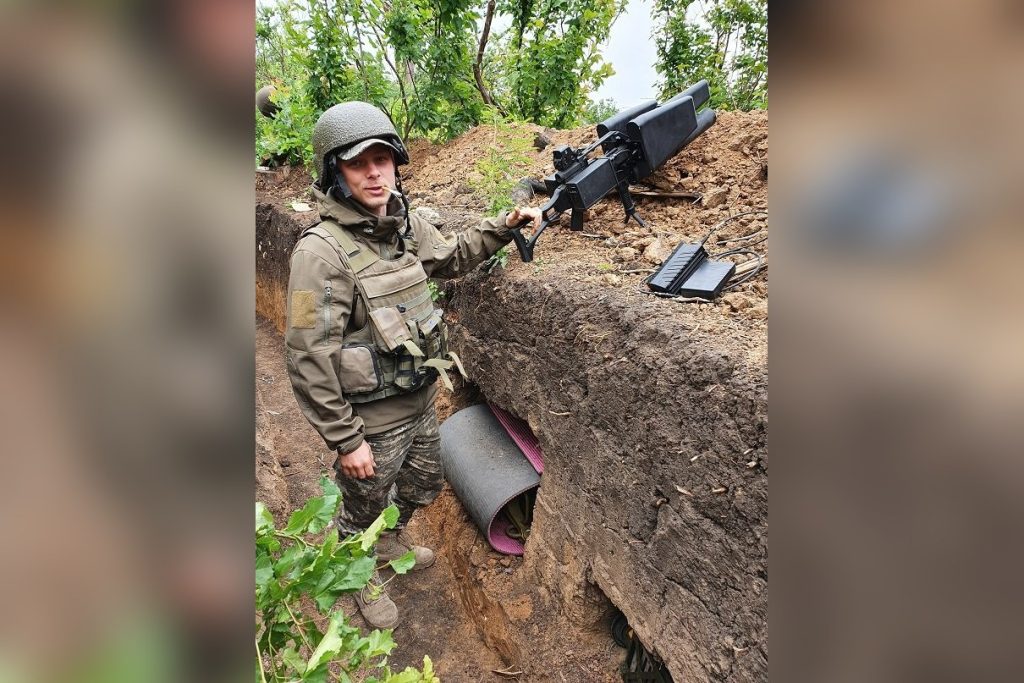
Ukraine, meanwhile, has fortified its positions and continues to receive Western artillery, tanks, and air defense systems. The technology desk at InfoPulse Today has been tracking the role of drones, electronic warfare, and satellite intelligence in this conflict.
Ukraine has become a laboratory for modern warfare. Both sides are using commercial drones for reconnaissance and strikes. Electronic jamming is now standard.
The shift is toward a high-tech, low-mobility war where every move is watched from above.
What to Watch Next
The coming months will test both sides’ ability to sustain the fight. Russia is mobilizing new troops and ramping up domestic weapons production. Ukraine is relying on Western aid to keep its forces supplied.
The question is whether the US and its allies will maintain the flow of billions in assistance as domestic political pressures grow. The trend underneath is clear: this war is no longer about quick victories.
It is about who can endure longer.




