
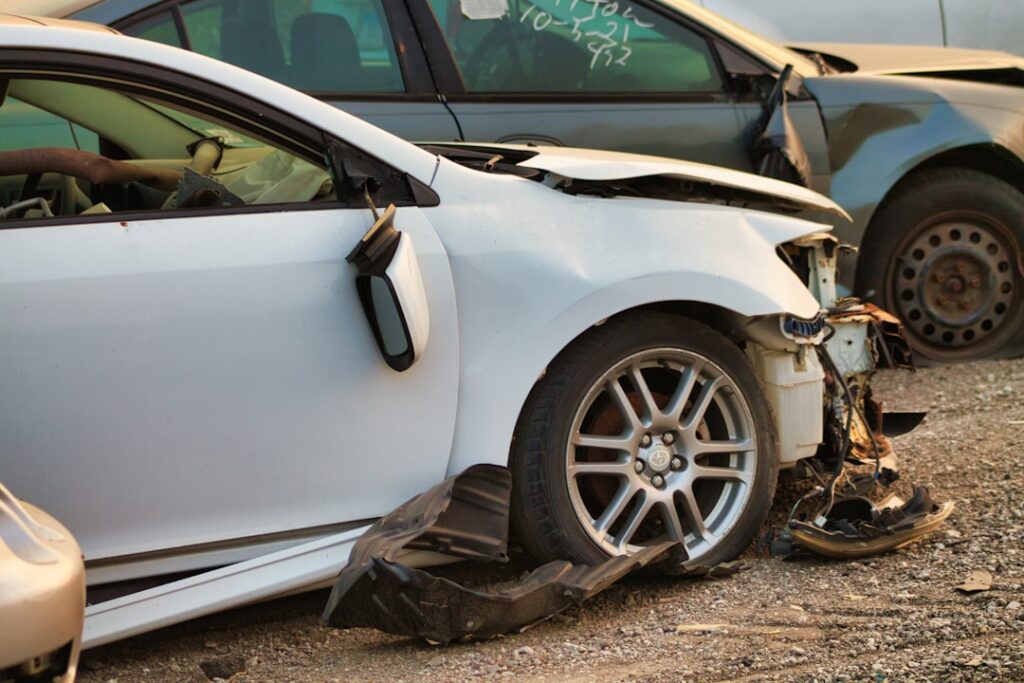
A collision between a passenger bus and a tanker truck on a Sumatra road left at least sixteen people dead and four others injured. Early reports noted that the tanker was transporting hazardous materials, a detail that later emerged as potentially the most significant aspect of the incident.
Although the crash caused no major spill, officials said the absence of a leak was a matter of luck rather than the result of any preventive policy. The impact forced investigators to examine both the bus and the tanker, focusing on the cargo’s dangerous nature. Authorities have opened a widening inquiry to determine whether human error, mechanical failure, or a combination of the two caused the crash.
They will review wreckage, driver records, and maintenance logs as part of the effort to establish a clear cause. Beyond the immediate tragedy, the crash has highlighted a broader structural issue: how many other tankers carrying similar hazardous loads operate on Sumatra’s roads under comparable risk conditions?
Indonesia’s road network is frequently cited as among the world’s most dangerous. Vehicles tend to be older, maintenance is inconsistent, and enforcement of safety regulations is weak. In this case, a bus company with a questionable safety record was transporting dozens of passengers while a tanker with hazardous cargo traveled the same stretch of highway, allowing the two vehicles to meet at high speed. Environmental experts warn that even without a spill, the potential consequences of a tanker rupture in rural Sumatra could be severe.
Chemicals could contaminate water sources, kill livestock, and poison soil for years, affecting wildlife that depends on clean rivers and intact forests. Such a release would not respect administrative or community boundaries, amplifying the stakes of the crash.
The fact that authorities are investigating indicates an awareness of these risks, though it remains uncertain whether the inquiry will lead to concrete action. Road safety in Indonesia has long been treated as a numbers game. Government initiatives have included public awareness campaigns, the installation of speed cameras, and promises of stricter licensing, yet the nation’s road death toll remains among the highest in Southeast Asia.
Individual crashes claim dozens of lives, and while the statistics may blur together, the families affected face stark realities of funerals and unanswered questions. Both the bus operator and the tanker company are now under scrutiny.
Investigators will examine the companies’ vehicles, driver histories, and maintenance documentation. If a pattern of neglect is uncovered, either firm could lose its operating license. However, meaningful outcomes are infrequent in a system where corruption and lax oversight are routine, and each party is likely to assign blame to the other.
Authorities will need to sift through competing claims and possibly incomplete paperwork to reach a conclusion. Sumatra’s roads are typically narrow, crowded, and poorly lit, shared by motorcycles, minivans, and pedestrians.
The margin for error is thin, and Saturday’s collision erased that margin entirely. Wreckage was scattered across the scene, injured victims were rushed to nearby hospitals, and the deceased were covered and removed. The investigative process is expected to take weeks or months, culminating in a report that outlines causes and recommends changes.
Some recommendations may be enacted, while others could remain unimplemented, left to gather dust on a desk. Despite the loss of sixteen lives, the underlying pattern persists: buses depart depots, tankers refill, and drivers navigate the same hazardous curves.
Breaking this cycle would require sustained enforcement and genuine investment in road infrastructure—measures that, at present, appear absent on the horizon.




