
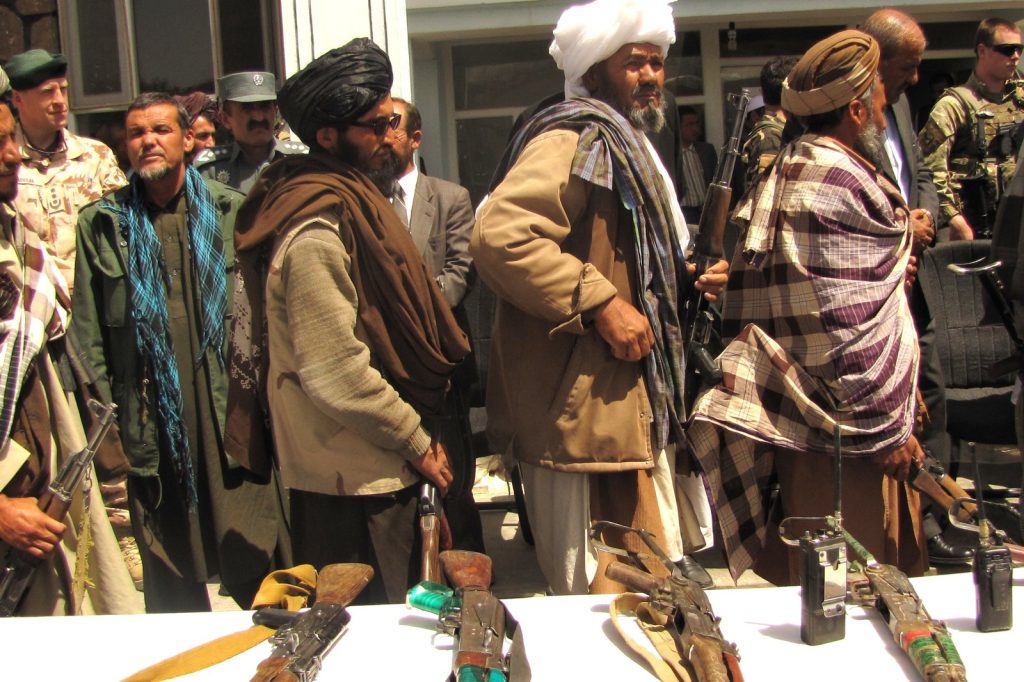
The capital city of Kabul succumbed to the Taliban more swiftly than anticipated by the Americans and their allies. By 10:00 a.m. on a Sunday, Taliban representatives entered the city for negotiations concerning a “peaceful transition,” as the acting interior minister described it. By the evening’s end, the Taliban’s flag waved triumphantly over the Arg Palace.
President Ashraf Ghani had already left the country, marking the end of the 20-year US-supported republic. The rapidity of the city’s fall will be a topic of discussion for years to come.
A senior western security official shared with Reuters that a 30-day timeline was mapped for Kabul to be isolated. Yet, the Taliban accomplished this feat in just 30 hours. This was not a miscalculation, but a clear demonstration of intelligence, strategy, and political will failure.
The Taliban did not achieve victory in a single battle. Rather, they claimed victory province by province, city by city, during a week-long offensive sweeping the nation.
Kandahar and Herat fell on the 12th of August, Mazar-i-Sharif the next day, and Jalalabad on the 14th. In each instance, provincial governors negotiated surrender terms. Government forces did not engage in combat or hold their ground; instead, they dissolved.
By the break of dawn on Sunday, only Kabul’s outer defense checkpoints remained. The president departed before any agreement was reached.
Initially, the acting interior minister promised a transitional government. However, this pledge was short-lived, lasting only until dusk. By evening, the Taliban were already celebrating their victory at the desk once used by President Ghani.
They declared “the war is over.”
The future remains uncertain, as no one can predict with certainty what will happen next. The Taliban have not altered their ideology, but their tactics have evolved.
They peacefully entered the presidential palace, yet their path to international acceptance remains challenging. American diplomats retreated to the military side of Hamid Karzai International Airport, the last piece of US-controlled territory in the country. The civilian side of the airport descended into chaos by Monday morning, with Afghans clutching visas, children, and even family goats racing onto the tarmac. The evacuation effort is not an organized plan, but rather a desperate scramble.
The forces responsible for the collapse have been developing for years. The US-backed republic was inherently fragile, relying on American military support and Afghan political will.
When the US announced its withdrawal, the political will began to crumble. Provincial governors could sense the direction of the wind shifting, and they quickly cut deals with the Taliban, who offered favorable terms. The government, however, provided nothing but a president who fled.
Kabul, the last significant city not under militant control, did not fall during a siege or a violent street battle. It fell because those meant to defend it chose not to.
The Afghan security forces, trained and equipped by the US for two decades, disintegrated, much like they did in every other province. The Taliban now control the country, but they do not yet have international recognition, aid money, or a plan for governing a nation of 38 million people, many of whom remember the harsh rule the Taliban imposed during the 1990s. The war may be over, but the consequences are just beginning to unfold.
Related Stories
Afghanistan conflict: Kabul falls to Taliban as president flees
Freedom Front Kills 3 Taliban Soldiers
China Pledges $31M Aid to Taliban-Run Afghanistan #TalibanSeizesKabul #GhaniFleesAfghanistan #WorldNews #News




