
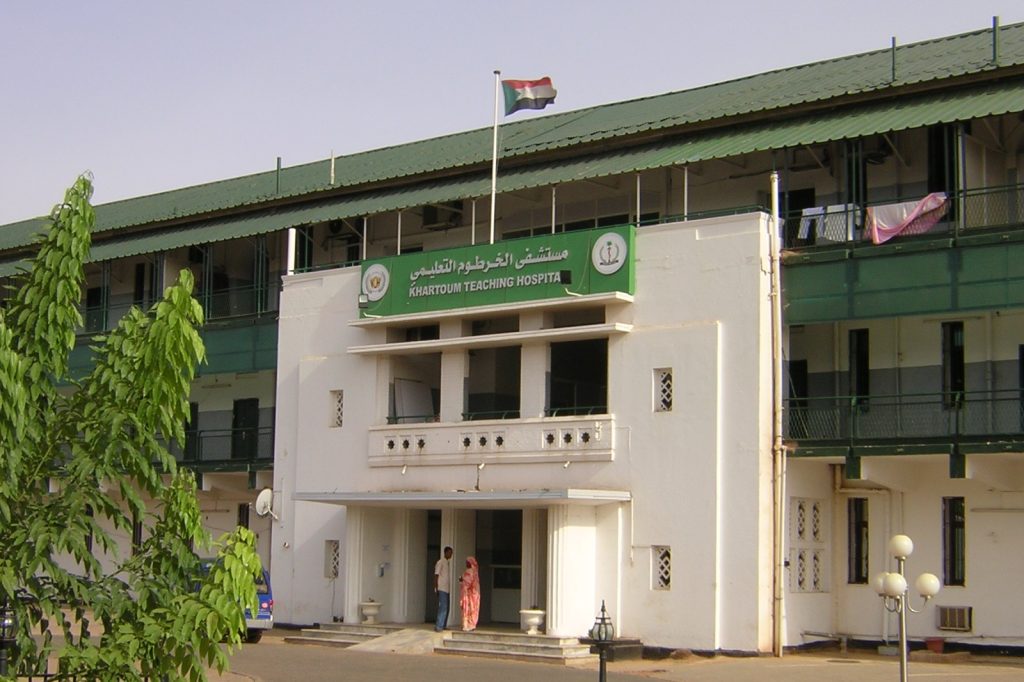
One year after the outbreak of hostilities in Sudan, the nation’s healthcare system has been systematically dismantled. Since April 15, 2023, fighting between the Sudanese Armed Forces and the Rapid Support Forces has left medical facilities in ruins across conflict-affected regions.
Hospitals have been directly struck by aerial bombardments and artillery fire, medical supplies have been stolen, and many wards now stand empty. A significant number of hospitals have ceased operations entirely. This destruction of healthcare infrastructure is not merely a byproduct of war but appears to be a calculated strategy.
Both warring parties have engaged in heavy, indiscriminate shelling of civilian areas such as markets and residential neighborhoods, generating large numbers of casualties. By then targeting the medical facilities where those wounded would seek treatment, the cycle of violence is perpetuated.
International legal experts classify such actions as war crimes. The conflict has also led to allegations of genocide and crimes against humanity, particularly in West Darfur. In the town of Geneina, the RSF and allied Arab militias have been accused of carrying out massacres against the Masalit tribe, a non-Arab population.
These targeted attacks echo patterns seen in previous Darfur conflicts. Human Rights Watch, the United Kingdom, and the United States have all specifically leveled genocide accusations against the RSF based on evidence from this region.
The United Nations has designated Sudan as the second most dangerous country in the world for humanitarian workers, after South Sudan. This designation reflects real dangers: aid convoys face ambushes, clinics run by international staff come under shelling, and workers delivering food and medicine are themselves attacked. Access to many affected areas remains blocked, preventing the UN from fully assessing the scale of the disaster. The conflict shows no signs of resolution.
The SAF and RSF remain locked in a stalemate, with neither side able to achieve a decisive victory. The civilian population continues to bear the heaviest burden.
Despite genocide allegations from major Western governments and a leading human rights organization—which should trigger automatic consequences under international law—the UN Security Council remains paralyzed. No intervention force is being assembled, and no no-fly zone is under discussion. As the dry season opens roads, fighting is expected to intensify.
More hospitals will likely be hit, more aid workers killed, and more organized violence directed against the Masalit and other non-Arab communities. The RSF’s command structure remains intact, and the SAF’s leadership shows no signs of negotiating in good faith.
The international community faces a choice between intervening to protect civilians—a costly and politically unpopular option—or continuing to watch. So far, it has chosen to watch. The dead in Geneina, the looted medical supplies, and the empty hospital wards are not accidents.
They are the predictable outcome of a war fought without rules by forces that believe they will not be stopped.




