
The war that erupted on 15 April 2023 between Sudan’s regular army, the Sudanese Armed Forces (SAF), and the paramilitary Rapid Support Forces (RSF) has taken a new turn with the creation of a broad‑based coalition of armed groups known as the Popular Resistance, also called the Popular mobilisation.
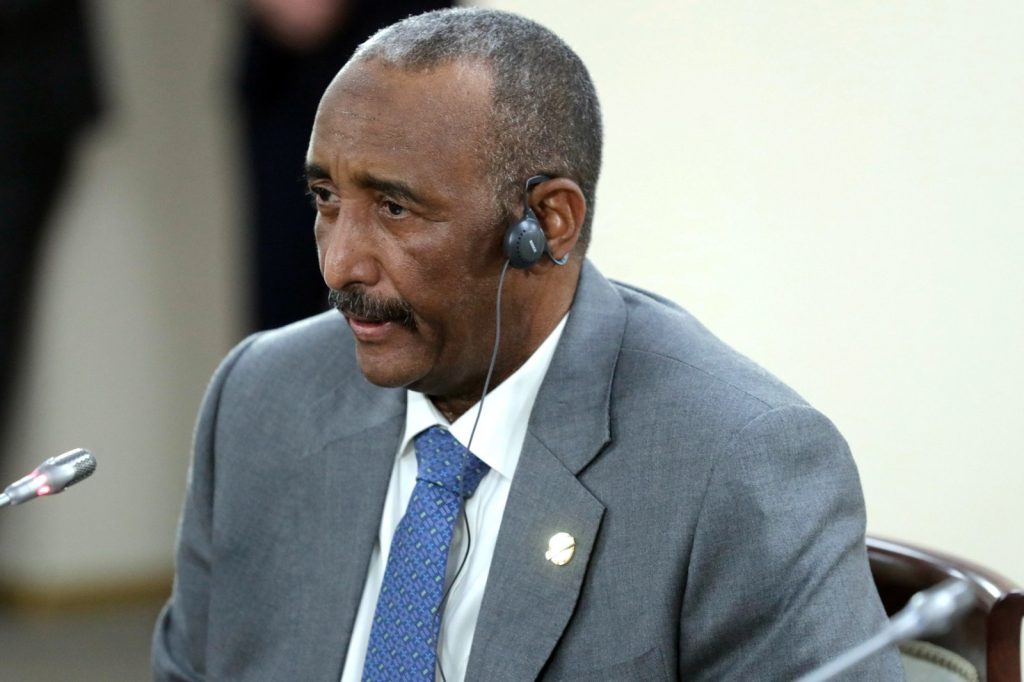
Formed under the direction of General Abdel Fattah al‑Burhan, the commander of the SAF, the Popular Resistance seeks to rally a spectrum of political and social organisations around the slogan of “national dignity.” While the coalition does not possess a formal weapons stockpile of its own, it receives direct assistance and combat training from the SAF. This partnership has enabled the SAF to train thousands of civilians across Sudan, preparing them for armed defence against the RSF’s advance.
The mobilisation marks a shift toward mass civilian involvement in the fighting. In regions where the RSF has asserted control—most notably the northern state of Gezira—reports of severe atrocities have spurred locals to take up arms. The resulting surge in civilian participation has bolstered public backing for the Popular Resistance, with many ordinary Sudanese now viewing armed self‑defence as a necessary response to the RSF’s reportedly widespread human‑rights violations.
Government officials and public figures have openly endorsed the training and arming of civilians, presenting a united front against what they describe as the RSF’s aggressive expansion. The leadership of General al‑Burhan is central to this strategy; his decision to launch the Popular Resistance reflects the SAF’s attempt to counterbalance the RSF’s growing influence and to protect what the coalition terms the nation’s dignity.
Humanitarian concerns have intensified alongside the military developments. International observers have documented numerous violations attributed to the RSF, prompting calls for greater global attention to the crisis. As the conflict persists, the risk of further civilian casualties and displacement rises, underscoring the urgency for a diplomatic resolution. The emergence of the Popular Resistance adds a new dimension to Sudan’s internal power struggle.
By integrating civilians into the conflict, the SAF aims to expand its operational reach and to deter RSF advances, particularly in areas where the paramilitary group has already imposed harsh control. The coalition’s reliance on SAF‑provided training suggests a coordinated effort to transform civilian volunteers into a more organized fighting force.
Observers note that the Popular Resistance’s growth could have lasting implications for Sudan’s political landscape. If the coalition sustains its momentum, it may reshape the balance of power between the SAF and the RSF, potentially influencing any future negotiations. Conversely, the escalation of civilian armament raises the prospect of increased violence and further humanitarian distress.
The international community is closely monitoring these developments. Stakeholders are watching for signs of either escalation or de‑escalation, as well as for any diplomatic initiatives that might address the mounting crisis.
The coming weeks are likely to be decisive in determining whether Sudan’s conflict will intensify or move toward a negotiated settlement. In sum, the Popular Resistance represents a concerted effort by the SAF, under General al‑Burhan’s leadership, to mobilise Sudanese society against the RSF’s expansion. Its formation underscores the deepening involvement of civilians in the war and highlights the urgent need for humanitarian assistance and a peaceful resolution to prevent further deterioration of the situation.




