
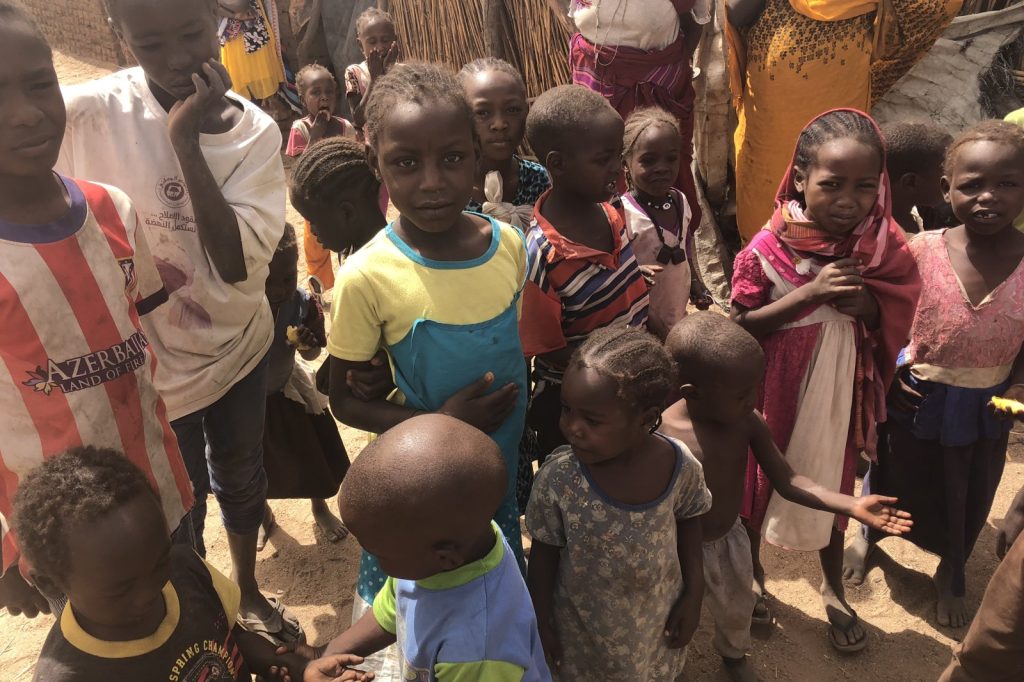
Global acute malnutrition rates in El Fasher run between 38% and 75%. In Kadugli the figure is 29%. On those numbers, the UN agencies FAO, WFP and UNICEF confirmed in early November 2025 that famine conditions, the top IPC Phase 5 level, exist in both towns, which remain besieged.
The same Integrated Food Security Phase Classification analysis found that about 21.2 million Sudanese, 45% of the population, faced acute food insecurity as of September 2025. That was a slight improvement: 3.4 million people had moved out of crisis-level hunger. The gains came where the fighting had stopped. In Khartoum, Al Jazirah and Sennar states, families were going home and markets were reopening, though the agencies called the recovery fragile.
The Famine Review Committee also flagged a risk of famine in 20 more locations across Greater Darfur and Greater Kordofan. The agencies warned of “the deadly combination of hunger, disease and displacement,” which they said was putting millions of children at risk. WFP says it reaches over 4 million people a month with food aid, and it argues that aid works when it can get through. Without safe access, steady funding and an end to the hostilities, the agencies said, famine will keep killing.
A war between two generals
The fighting began in April 2023 as a struggle between Abdel-Fattah al-Burhan, Sudan’s de-facto leader, and Mohamed Hamdan Daglo, who commands the Rapid Support Forces. ZDFheute reported that the two men had worked together after the 2019 overthrow of longtime ruler Omar al-Bashir, then split over who controls state resources and whether the RSF should fold into the army or stay independent. The RSF has since set up a parallel government in the territory it holds.
In late October 2025 the army pulled out of El Fasher, and the RSF consolidated its hold on Darfur. Experts told ZDFheute they feared mass atrocities against civilians and refugees who remained. Marina Peter, who heads the Sudan and South Sudan Forum in Germany, said: “It is catastrophic. The people are being slaughtered.”
Darfur’s fault lines are older than the war. ZDFheute described competition for land and water between nomadic Arab groups and settled non-Arab communities, and a history of government support for Arab militias, the Janjaweed, used against groups seen as rebellious. The RSF is their successor.
Numbers and outside players
The UN calls Sudan the world’s worst humanitarian crisis. More than 12 million people have been displaced, mostly into Chad, Ethiopia and South Sudan, and some across the Red Sea. Tens of thousands have been killed, over 30 million need help, and roughly 14 million children are out of school. Sudan had about 50 million people before the war.
Diplomacy has stalled. The United States, Saudi Arabia, the UAE and Egypt proposed a three-month humanitarian ceasefire followed by a nine-month transition to civilian rule, but al-Burhan rejects direct talks with the RSF. Sudan’s government and UN experts accuse the UAE of supplying the RSF with money and weapons, which the UAE denies. Egypt keeps close ties with the army. Russia is reported to run gold-mining partnerships with the RSF while negotiating a naval base with al-Burhan.
Sources
- Famine conditions confirmed in Sudan's El Fasher and Kadugli, but hunger and malnutrition ease where fighting has stopped
- Sudan: Understanding the Crisis (ZDFheute)




