
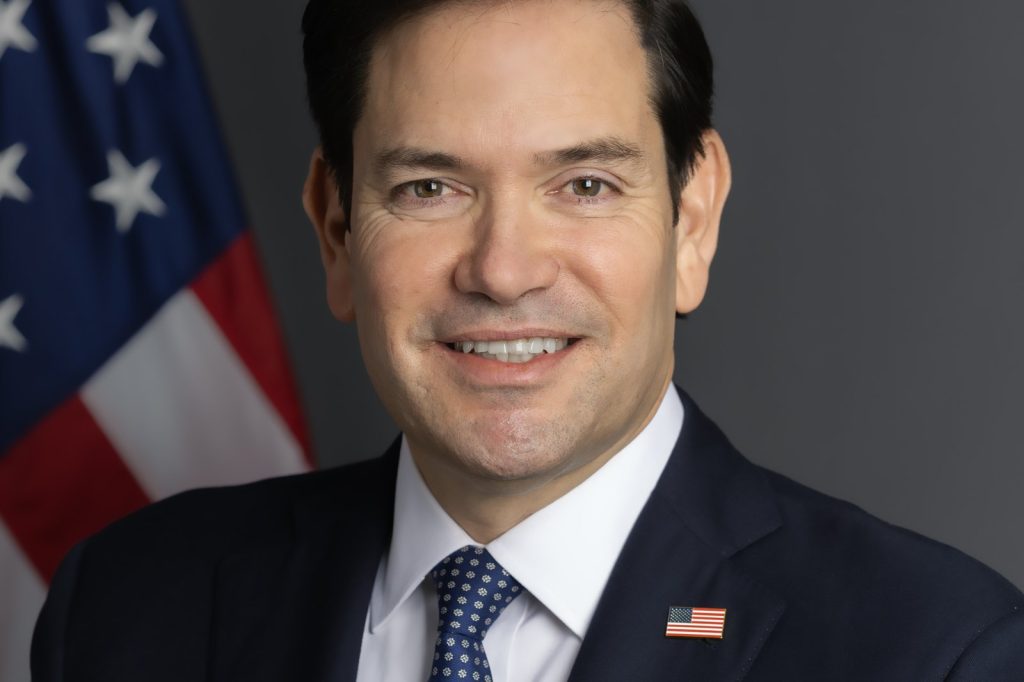
WASHINGTON, September 15 — The State Department notified Congress on Tuesday that it will reprogram $52 million in foreign military financing away from Slovakia, North Macedonia, Tunisia and Iraq and toward Panama, Peru, Ecuador and Colombia, the latest move by the Trump administration to redirect U.S. military assistance toward the Western Hemisphere. The shift follows Secretary of State Marco Rubio’s visit last week to Colombia, Ecuador and Peru, where he pledged additional support.
The administration has made the hemisphere a foreign policy priority, with an emphasis on combating drug trafficking and illegal immigration.
Money Follows the Map
Foreign military financing provides recipient countries with U.S. taxpayer dollars to purchase military equipment from American defense contractors. The State Department said the funds would be used to “combat narcoterrorism in our backyard and help continue to secure the Panama Canal,” adding that the Western Hemisphere has been historically neglected in U.S. military assistance. “These funds will prevent adversaries from establishing strategic footholds in our hemisphere,” the department said.
The reprogramming does not eliminate foreign military financing for Tunisia, Iraq, North Macedonia or Slovakia, although the exact amount remaining for those countries was not immediately clear. The State Department said the current distribution of financing does “not align with the administration’s prioritization of” the Western Hemisphere.
NATO Allies on the Losing End
Both North Macedonia and Slovakia are NATO members. The move is the latest in a series that has reduced either money or troop deployments to Europe, following President Donald Trump’s complaints about NATO allies not spending enough on their defense budgets and other matters. Strategically, the calculus is straightforward.
The administration is aligning deeply with right-wing governments in Central and South America as Trump celebrates a renewal of the 19th century Monroe Doctrine establishing Washington’s dominance in the Americas. What this signals is a deliberate reordering of American military assistance — away from the Middle East and Europe, toward what the State Department now calls its backyard.
The broader stakes are whether NATO allies absorb the loss without a corresponding increase in their own defense spending, and whether the money moved south produces measurable results against drug trafficking networks.




