
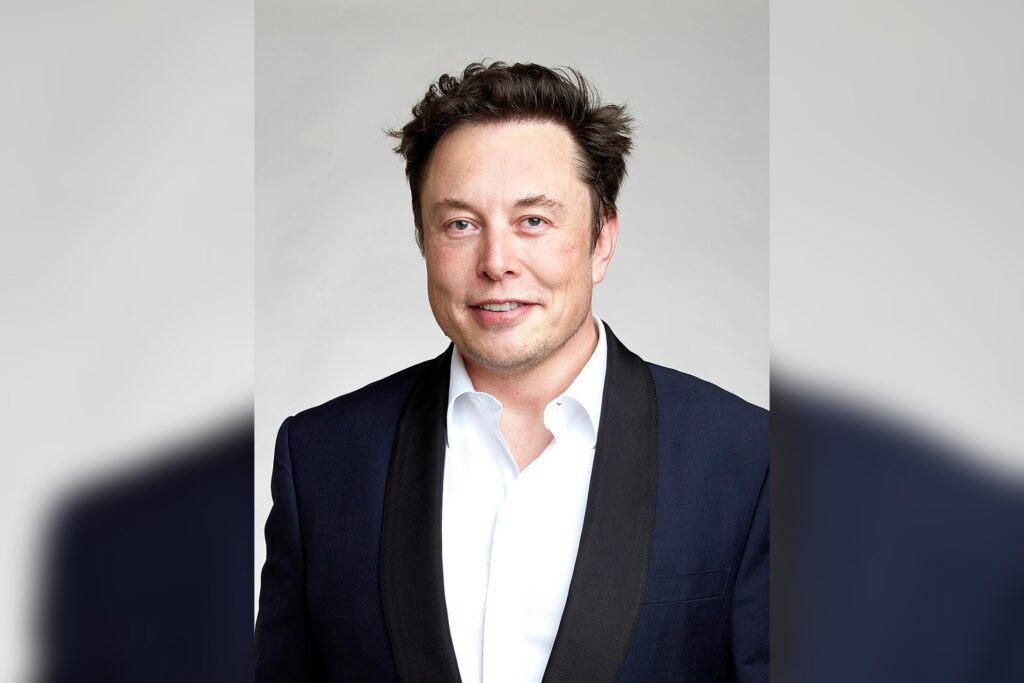
On October 14, reports surfaced that Starlink had stopped working for Ukrainian drones flying faster than 100mph. Earlier disruptions had reportedly hit slower units too, and some fell out of the sky. Two days later Elon Musk was on a stage in Texas advertising a flying Tesla.
That contrast is the whole story. The satellite network that carries Ukraine’s battlefield communications belongs to a company, and the company answers to one man.
How deep the dependence runs
DW describes Starlink as a system of roughly 10,000 small satellites orbiting about 550 kilometers up, far lower than conventional communications satellites, which is why signals move faster. Users need only a small terminal. Since the full-scale invasion in February 2022, Ukraine’s army has used it to coordinate units, fly drones and run unmanned ground vehicles. Hospitals, emergency services, energy suppliers and the railways use it too.
The Conversation adds that Starshield, the military-grade version, has become a backbone of Ukrainian military communications and drone warfare. After the October cut, Volodymyr Zelensky implied that intelligence sharing with the US had briefly stopped, leaving warning systems blind to incoming strikes during nights when attacks killed civilians and knocked out power for hundreds of thousands.
Who decides
The catch is control. Musk, the Conversation notes, holds about 82% of voting power in SpaceX through a special class of stock, after the company went public this year. Nobody outvotes him.
His record in Ukraine is not reassuring. When Ukrainian troops were pushing back occupied ground, they reported outages. Musk then refused a request to use Starlink over Crimea, arguing the peninsula was historically Russian and that the Kremlin might use nuclear weapons if Ukraine retook it. In February 2023 SpaceX imposed speed limits to keep drones off the network, saying Starlink was “never intended to be weaponized”. DW adds that Donald Trump has threatened to switch the satellites off in Ukraine to push Kyiv toward concessions in peace talks.
On the October restrictions, Musk first said the system is owned and controlled by the US government and that “any limits on speed or usage are decided by the US military and ultimately POTUS”. He later accused Ukraine of breaking the terms of service by using the civilian service for offensive drone strikes, announced on X that a “loophole” had been closed, and reminded readers that the Ukrainian front line would collapse immediately if Starlink were turned off. DW noted that it remains unclear who ordered the limits.
A Ukrainian government spokesman said the timing “cannot be a coincidence” and tied it to the political situation. The Conversation points to a US deal with the Kremlin, Russian diesel in exchange for sanctions relief, that depends on Ukraine halting drone strikes on Russian oil infrastructure.
Europe’s scramble for an alternative
French MEP Christophe Grudler called it unacceptable that Ukraine’s and Europe’s security depend on “the goodwill of a single American billionaire or on Donald Trump’s decisions”. EU foreign policy chief Kaja Kallas was blunter about the options: “Starlink is really necessary for Ukraine. And unfortunately, in short term, Europe can’t replace this capability.”
The alternatives are thin. Eutelsat’s OneWeb fields over 600 satellites, mostly for business and maritime customers. Amazon is building a network of more than 3,200 low-orbit satellites. The EU’s IRIS² project will not be fully operational before 2032, according to DW. In the meantime Brussels wants to bring Ukraine into Govsatcom, a scheme that pools public and commercial satellite capacity, which the Conversation calls a stopgap at best.
Sources
- How Musk's Starlink satellite company shapes geopolitics
- Starlink disruptions in Ukraine: what Elon Musk’s alignment with US geopolitics means for Europe




