
Nigeria is sending planes to bring home about 130 of its citizens from South Africa. The reason is fear. Anti-migrant protests have spread through several South African cities, and families on both sides of the border are worried about who might be hurt next.
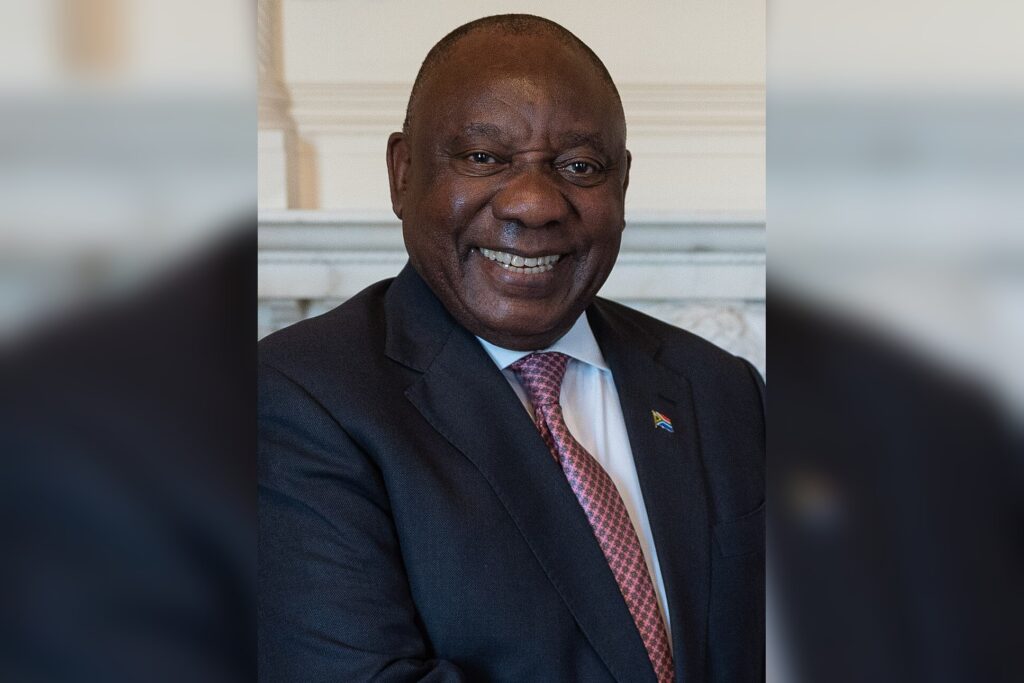
President Cyril Ramaphosa answered in a public letter released by the presidency on a Monday. His message was blunt. “We must make it clear that there is no place in South Africa for xenophobia, ethnic mobilisation, intolerance or violence,” he wrote.
Who he blamed
Ramaphosa said the attacks on foreign nationals do not speak for the country. “The recent violent protests and criminal acts directed at foreign nationals in parts of our country do not represent the views of South Africa’s people nor reflect our government’s policy,” he wrote.
He pointed at what he called opportunists. In his words, they are “exploiting the legitimate grievances, particularly those of the poor, under the false guise of community activism.” Poverty, unemployment and failing public services, he said, are the grievances being turned against migrants.
He did not wave away the anger itself. Ramaphosa acknowledged that people are frustrated about illegal immigration. “Undocumented migration places strain on healthcare, housing and municipal services, particularly in poor communities,” he said. He also took aim at some employers, accusing them of hiring undocumented workers at lower pay rather than giving jobs to South Africans on legal terms.
On policy, the president promised to deal with illegal immigration “decisively” and “within the law”. Constitutional protections would stay in place, he said, and legally documented foreign nationals would not face discrimination.
Abuja and Accra push back
The fallout reached other African capitals quickly. Nigeria and Ghana both have citizens living and working in South Africa. Abuja called in South Africa’s envoy and demanded investigations into the deaths of two Nigerians, who were allegedly linked to incidents involving South African security personnel the month before. Ghana also summoned South Africa’s ambassador to protest the attacks on African migrants.
Protesters in Durban had pressed their case the week before, calling for tougher action against undocumented migrants. Other recent demonstrations demanded deportations or wanted to limit foreign nationals’ access to healthcare and other public services.
An election on the horizon
Local elections are scheduled for November, and immigration has become one of the most divisive issues in the campaign. Outbreaks of anti-foreigner sentiment are not new in South Africa. They have often been tied to economic inequality, scarce jobs and pressure on public infrastructure.
The country hosts one of Africa’s largest migrant populations, drawn by a comparatively advanced economy and work opportunities. Repeated xenophobic violence has strained its diplomatic relations and hurt its image in the region. Analysts say Pretoria must now balance domestic pressure over jobs and services against the need to reassure neighbouring countries and stop further violence. The issue is expected to stay in the headlines as campaigning intensifies.




