
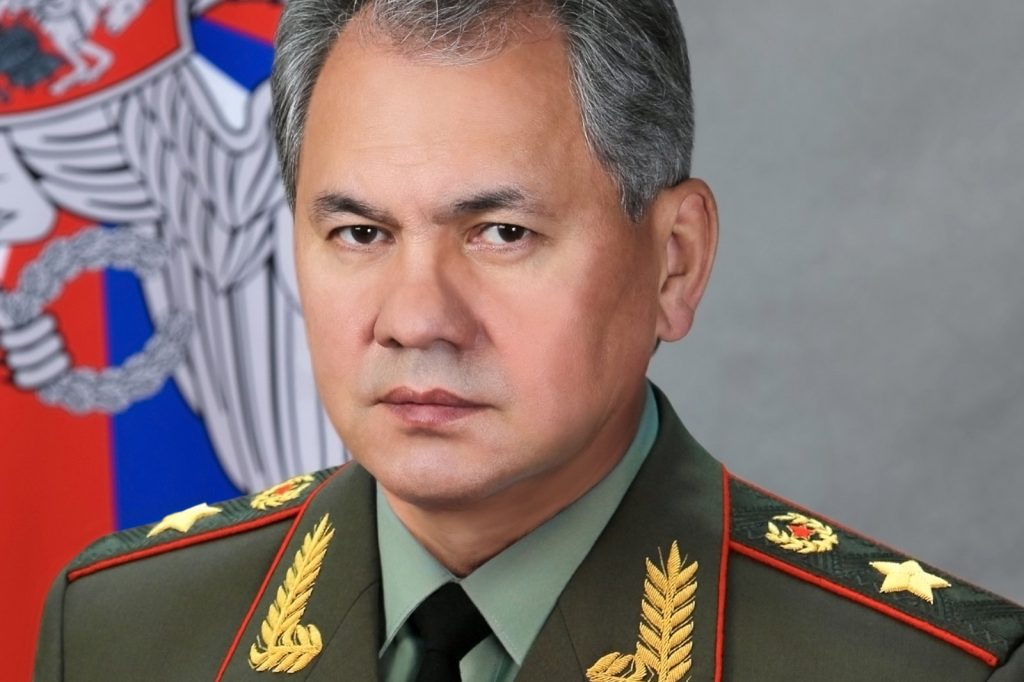
Sergei Shoigu has been removed from his position as Russia’s defence minister, a post he held for nearly twelve years, and appointed as secretary of the Security Council. The change, effective May 12, 2024, comes as the Kremlin initiates an anti-corruption investigation into the ministry he formerly led.
Shoigu had overseen Russia’s defence portfolio since November 6, 2012, guiding the military through conflicts in Syria and Ukraine, the annexation of Crimea, and a significant modernization program. His new role places him on the Security Council, a body he first joined in 1996. The transition raises questions about whether this represents a lateral promotion or a demotion, with the anti-corruption probe into the Ministry of Defence suggesting the latter.
Corruption within Russia’s defence establishment is not unprecedented, but the Kremlin’s decision to investigate it openly marks a notable shift. The ministry manages a substantial budget covering weapons procurement, soldier salaries, base construction, and logistics. During the war in Ukraine, any funds lost to corruption directly impact resources available for ammunition, fuel, and personnel payments.
Shoigu’s career spans over three decades. He previously led the Ministry of Emergency Situations, governed the Moscow Oblast, chaired the interregional movement “Unity,” and sits on the Supreme Council of United Russia. He received the title Hero of the Russian Federation in 1999. Despite his extensive experience, the Security Council secretary position is primarily advisory rather than operational, with military authority now resting with his successor.
The new defence minister inherits a ministry under investigation, carrying the risk that the probe could expand into procurement chains, the general staff, and regional commands. This could destabilize the institution as it continues to manage a protracted conflict. For international observers, the implications are significant. Russia remains a nuclear power with Europe’s largest military. The integrity of its defence ministry directly influences its capacity to project force, sustain operations, and negotiate from a position of strength. A ministry weakened by corruption or a corruption probe may become less capable, potentially altering dynamics in conflicts from Ukraine to Syria.
The Kremlin’s official stance emphasizes a commitment to addressing corruption. However, anti-corruption campaigns in Russia have historically been used to remove rivals, consolidate authority, or send messages to the elite. Whether this investigation is genuine or politically motivated, it will reshape the defence ministry. Shoigu himself is not currently under investigation. His new role keeps him within the security apparatus, and he remains a Security Council member, a position he has held for nearly three decades. He has not been exiled or arrested—only reassigned.
The probe of his former ministry will determine its significance. If it leads to arrests, dismissals, or reforms, it would represent the most substantial anti-corruption action within the Russian military in years. If it yields no results, it may appear as a justification for a personnel change. Regardless, the individual who managed Russia’s war machine for twelve years now occupies a different seat. The military continues its operations, but attention remains fixed on the investigation that follows.




