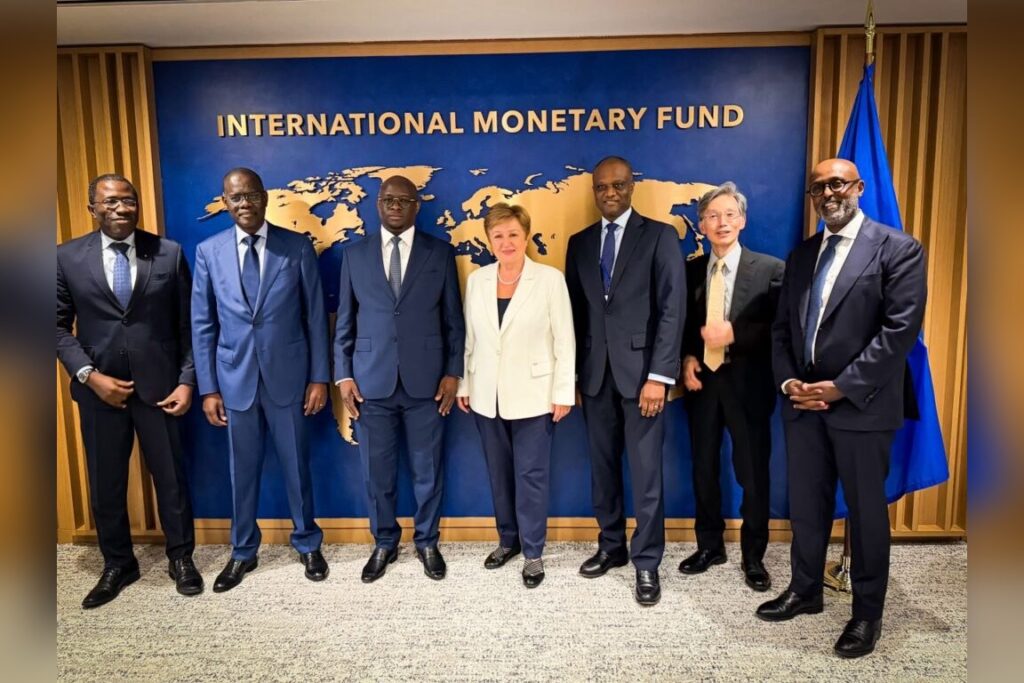
The International Monetary Fund said on Tuesday that its staff and Senegal have agreed on a three-year program worth $2.2 billion. The deal still needs approval from the IMF’s executive board.
It follows months of negotiations. Two years earlier the Fund froze lending after hidden borrowings came to light in 2024, and it suspended a $1.8 billion facility. That cut Senegal off from international capital markets. The government turned to the regional market and to structured deals, including total return swaps, to cover its funding needs. Those instruments, used since 2025, are now part of the IMF’s assessment.
What the program asks for
“The main reforms planned under the IMF-supported program aim to restore the viability of public finances while protecting vulnerable households,” the IMF said. The plan is meant to stabilize the economy and restore debt sustainability. It also aims to lower fiscal and external risks, raise social spending and support private-sector-driven growth.
IMF Mission Chief Mercedes Vera-Martin, speaking in Dakar, said there will be “zero tolerance on accumulation of new external arrears.”
The Fund also noted that “the authorities announced their intention to seek debt treatment in order to restore its viability.” The government said it will pursue debt restructuring through a refined G20 Common Framework. Recent finance ministry documents say it wants to narrow the budget deficit and keep up with debt-service payments.
The financing gap
Senegal puts its annual financing need at roughly 6 trillion CFA francs ($10.6 billion). It plans to raise about 4 trillion CFA francs from the regional market this year. If the IMF board signs off, the program could help cover the shortfall while the country works toward regaining access to international markets.