
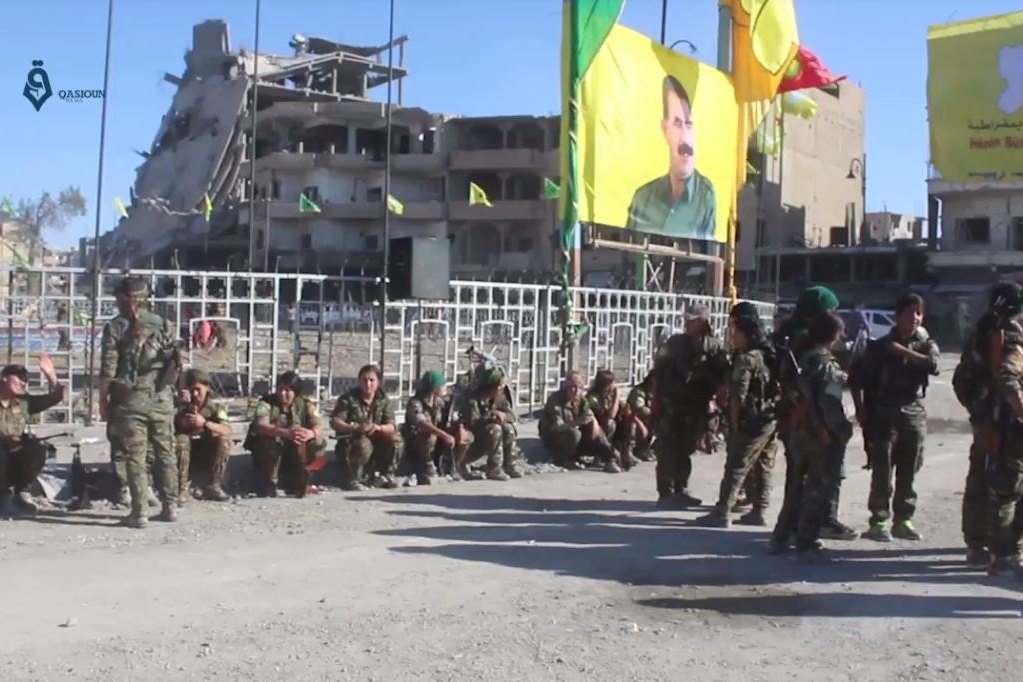
Buses carrying the last Kurdish fighters left Aleppo early on Sunday. Local media reported that they pulled out of Sheikh Maqsoud, the largely Kurdish neighborhood that had been at the center of a week of clashes, after a ceasefire was announced through international mediation.
Mazloum Abdi, who leads the Kurdish-led Syrian Democratic Forces (SDF), said the deal allowed fighters, wounded people and civilians stuck in the city to leave safely.
How the fighting started
The violence broke out earlier in the week, after talks on folding Kurdish forces into Syria’s new government stalled. At least 12 people were killed. Tens of thousands of civilians fled Sheikh Maqsoud and the neighboring Ashrafieh district.
On Wednesday, Syrian government forces shelled the two areas after declaring them “closed military areas” and citing alleged attacks by armed groups. The SDF, which denies having a military presence in Aleppo, called the move a “criminal attempt” to force residents out. An earlier truce that week fell apart when Kurdish forces refused to leave Sheikh Maqsoud.
A stalled integration deal
The fighting sits on top of a larger dispute. In March 2025 the SDF, which holds much of northeastern Syria and has tens of thousands of fighters, signed an agreement to merge its military and civilian institutions into the Syrian state. Almost a year on, implementation is still stuck, and each side blames the other for undermining the talks.
The United States and other international actors mediated the latest ceasefire, out of concern that the standoff could pull in Turkey. Turkey backs the Syrian government and labels the Kurdish militia that dominates the SDF a terrorist organization.
On Saturday, Tom Barrack, the U.S. ambassador to Turkey and special envoy to Syria, said he had met Syrian President Ahmed al-Sharaa. He urged all sides to “exercise maximum restraint, immediately cease hostilities, and return to dialogue” under the March agreement. Washington, he added, welcomed Syria’s “historic transition” and would back efforts to stabilize the country.




