
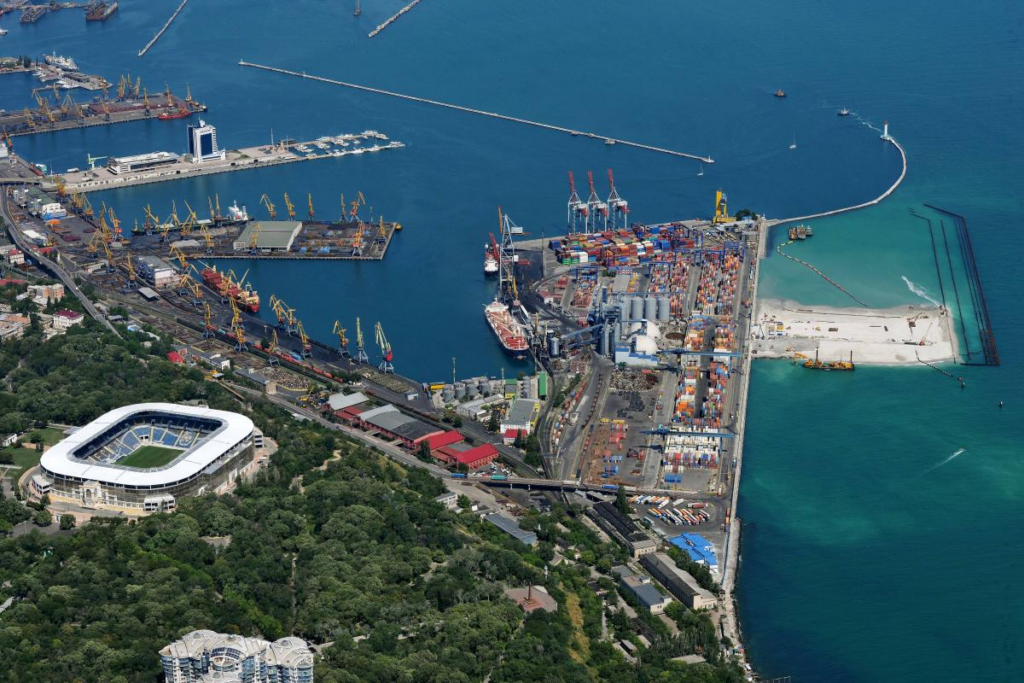
A devastating Russian missile strike has hit a Liberian-flagged vessel entering the Pivdennyi Port in Odesa Oblast, resulting in the death of one crew member and injuring four others. The vessel, which was transporting iron ore to China, is the latest casualty in the ongoing conflict in the region. This brazen attack underscores the escalating tensions between Russia and the Western world, with the United States and its allies condemning such acts of aggression.
The Russian Armed Forces, with their vast military capabilities, have been at the forefront of the conflict. As the world’s fifth-largest military force, they boast approximately one million active-duty personnel and close to two million reservists.
Their arsenal includes the world’s largest stockpile of nuclear weapons and the second-largest fleet of ballistic missile submarines. This formidable military might has enabled Russia to exert significant influence in the region, often to the detriment of its neighbors and global stability. China, the intended destination of the iron ore cargo, has been walking a diplomatic tightrope in its relations with Russia.
While Beijing has sought to maintain a semblance of neutrality in the conflict, its economic interests and strategic partnerships with Moscow have led to accusations of tacit support for Russian aggression. As the situation continues to unfold, it remains to be seen how China will balance its economic and geopolitical interests with the need to maintain a stable and secure international environment.
The United States, under the leadership of President Biden, has been vocal in its condemnation of Russian actions and has worked tirelessly to build a coalition of like-minded nations to counter Moscow’s influence. The attack on the Liberian-flagged vessel also highlights the vulnerability of global shipping lanes and the potential for disruption to international trade. As the world’s economies become increasingly interconnected, the importance of safeguarding maritime commerce cannot be overstated.
The United States and its allies must remain vigilant in their efforts to protect freedom of navigation and prevent the exploitation of maritime trade by hostile actors. In this context, the Russian missile strike serves as a stark reminder of the need for continued cooperation and collective action to ensure the stability and security of the global economy.
Regional Implications
The implications of the Russian missile strike extend far beyond the immediate vicinity of the Pivdennyi Port. The attack has significant regional implications, particularly for Ukraine and its neighbors. As the conflict continues to escalate, the potential for spillover into adjacent countries and the broader European continent cannot be ruled out.
The international community must remain alert to these risks and work to prevent the further destabilization of an already volatile region. In this regard, the United States and its European allies have a critical role to play in providing diplomatic and military support to Ukraine and its partners, while also maintaining a firm stance against Russian aggression.
As the situation in the region continues to evolve, one thing is clear: the international community will be watching closely to see how Russia chooses to proceed. The United States, under the leadership of President Biden, will likely remain at the forefront of efforts to counter Russian influence and promote regional stability. With the support of its allies and partners, Washington will continue to push for a peaceful resolution to the conflict, while also preparing for any eventuality.
As the world looks to the future, one thing is certain: the need for collective action and cooperation to address the challenges posed by Russian aggression has never been more pressing.




