
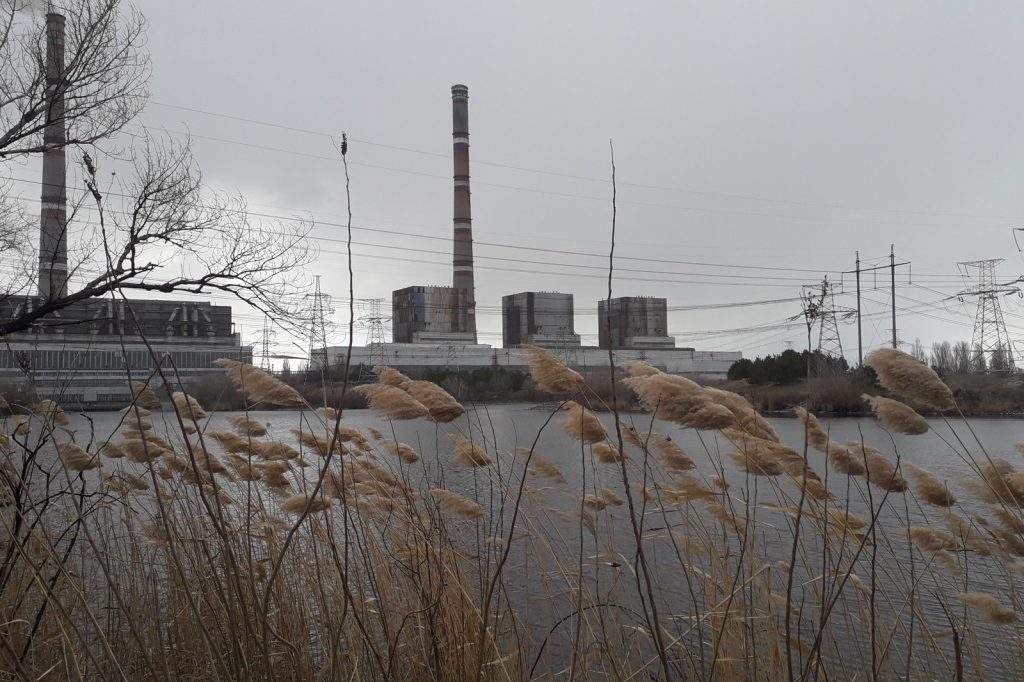
KYIV, July 29 — The systematic destruction of Ukraine’s energy infrastructure by Russian forces has cost the country’s energy sector more than $56 billion in direct damage as of January 2024, according to estimates by the Kyiv School of Economics. The figure lays bare the scale of an assault that has taken aim at the very sinews of Ukraine’s industrial and civilian life.
Among the targets are some of the largest installations in Europe. The Zaporizhzhia Thermal Power Plant, a colossal facility, has been hit, along with hydroelectric stations and scores of transformer substations. Against this backdrop, the Ukrainian Ministry of Economy has calculated that rolling blackouts are exacting an economic toll of between $2 billion and $3 billion per month in lost industrial output alone. What is at stake is not merely the repair of shattered plant but the daily functioning of an economy under siege.
To compensate for the loss of domestic generation, Ukraine has turned to Europe. Since March 16, 2022, the country’s power grid has been synchronised with the Continental European network via ENTSO-E, allowing a steady increase in electricity imports from the European Union. That connection, forged in crisis, has become a vital lifeline. The wider picture, however, extends far beyond Ukraine’s borders. The disruption to Ukrainian energy infrastructure has contributed to volatility in global natural gas and oil markets, as European nations accelerated their reduction of reliance on Russian gas after February 2022.
Capacity Collapse and the Cost of Repair
Before the full-scale war, Ukraine’s generating capacity stood at 37 gigawatts. By mid-2024, that figure had fallen to around 20 gigawatts — a collapse of nearly half. Repairing and rebuilding this infrastructure places an enormous strain on the state budget, which in turn depends heavily on Western financial support. The European Union has committed €50 billion through the Ukraine Facility spanning 2024 to 2027, and the United States provided $61 billion in supplemental aid approved in April 2024. In the corridors of finance ministries across the West, the question is whether such flows can be sustained as the war grinds on.
Beyond the power sector, Russian strikes have also damaged grain storage terminals, threatening Ukraine’s agricultural exports. A temporary reprieve came with the Black Sea Grain Initiative, operational from July 2022 to July 2023, which enabled the export of 32.9 million tonnes of foodstuffs before Moscow withdrew. That corridor is now closed, and the wider picture for global food supplies remains precarious.
The arithmetic of destruction, repair, and reliance on external aid defines Ukraine’s economic present. Every month of rolling blackouts chips away at the industrial base, while the energy sector itself requires billions in reconstruction that no domestic budget can absorb alone. For Europe, the stability of Ukraine’s grid is inseparable from its own energy security. What happens next in the corridors of Kyiv and Brussels will shape not just the recovery of a battered nation but the resilience of the continent’s energy architecture for years to come.




