
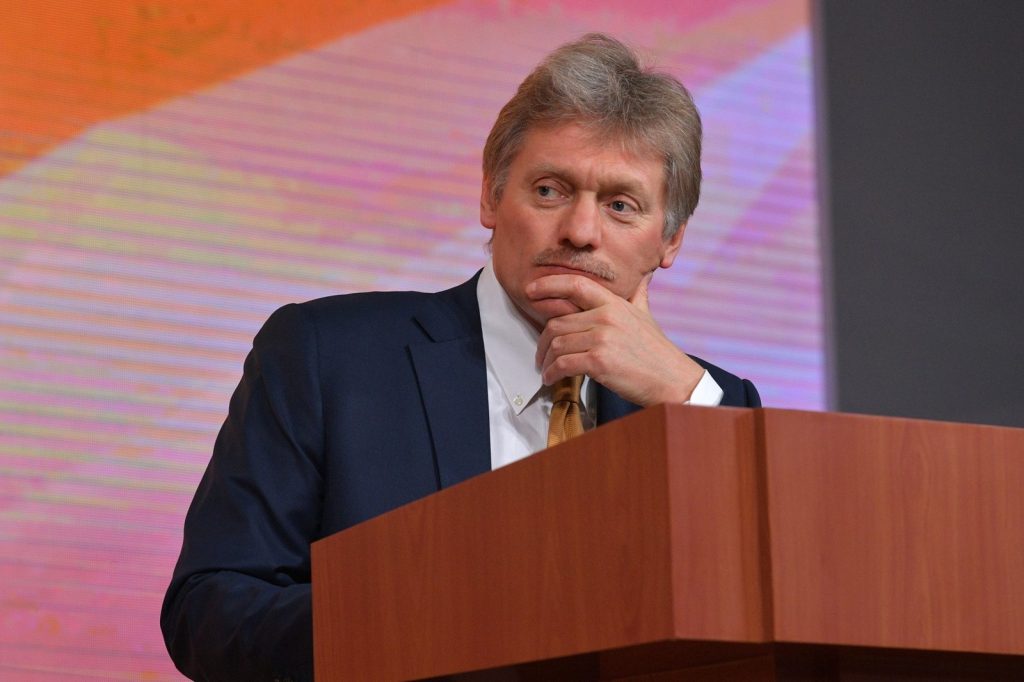
“The offer still stands, but has not been acted upon.” That was Kremlin spokesman Dmitry Peskov on Monday, April 13, describing Russia’s standing proposal to take Iran’s enriched uranium off Tehran’s hands.
Peskov spoke to Agence France-Presse just after US-Iran negotiations failed over the weekend. The idea, he said, came from President Vladimir Putin, who put it to Washington and to states in the region. Nobody has moved on it. Russia would host the material as part of a peace deal with the United States, and so far that is where it ends.
Why the uranium matters
The stockpile is the detail that matters. The Moscow Times, carrying the AFP report, said the war began in late February, has killed thousands of people and rattled global markets. Washington wants the material gone. JD Vance has said the United States aims to “halt Iran’s ability to enrich uranium and aims to place nuclear materials under US control.”
WION later reported that the US demands Iran hand roughly 440kg of highly enriched uranium to the International Atomic Energy Agency. Iran refused. Its counter-offer was a monitored down-blending process, with Tehran insisting that enrichment serves civilian purposes.
A proposal with a history
Moscow did not invent this offer in April. WION traced it to June 2025, when a Russian deputy foreign minister floated converting the stockpile into fuel for civilian reactors. Middle East Eye, citing RIA Novosti, reported on April 14 that Peskov described the proposal as one that “remains on the table but has not been acted upon.”
By April 16 the tone had cooled. “This would be a good decision,” Peskov said, according to WION. “But unfortunately the American side rejected this proposal.” The reported backdrop was the first round of peace talks in Pakistan, after which Trump said the United States would work with Iran on removing the uranium.
Hormuz and the diplomatic backdrop
Peskov also took a swipe at American threats over the Strait of Hormuz. A blockade, he warned, “could negatively affect international markets,” and the Moscow Times quoted him saying such actions “will likely continue to negatively impact international markets.”
Foreign Minister Sergey Lavrov, meanwhile, passed a message to his Iranian counterpart Abbas Araghchi. In Middle East Eye’s account, Lavrov told him the situation has “no military solution” and said Moscow backs de-escalation efforts.
Three days after Peskov’s AFP remarks, he was saying Washington had turned the plan down.
Sources
- Kremlin Repeats Offer to Take Iran's Highly Enriched Uranium
- Russia Proposes Taking Iran's Enriched Uranium
- Russia Renews Iran Nuclear Offer
- Russia wants Iran's enriched uranium: Kremlin spokesperson reveals what US said
Sources
- Iran Nuclear Breakout Time 2026: Current Estimate and the Russia Deal
- Iran rules out enriched uranium transfer as part of nuclear deal




