
“Excavations alone will not provide justice.” That was the verdict of a relative of a disappearance victim in Jaffna, quoted in a new Human Rights Watch report. “Will those who are responsible for abuses be held accountable?”
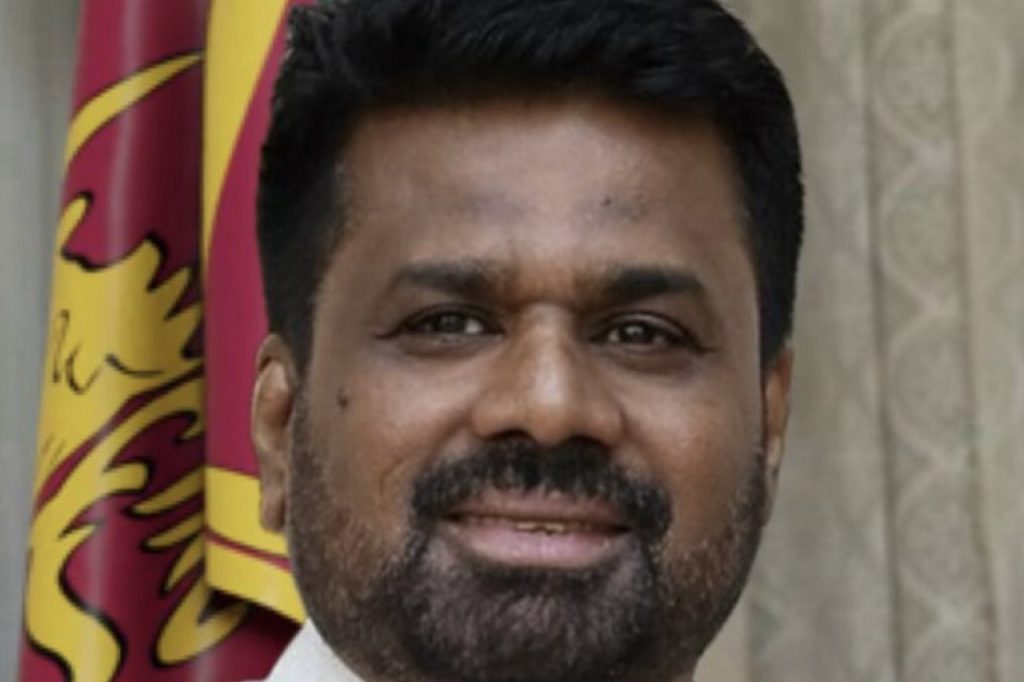
The question sits at the centre of a 49-page report the group released on September 1, titled “‘Not Genuine with Justice’: Sri Lanka’s Lack of Will to Prosecute Past Abuses.” Human Rights Watch says the government of President Anura Kumara Dissanayake has been too slow to prosecute the worst crimes of the past, and it wants the UN Human Rights Council to press him harder.
What the report found
Researchers interviewed 32 victims, relatives of the disappeared, lawyers and other human rights defenders. They also went through court documents. Their picture is mixed. Seven emblematic cases are covered, and in each the group says Dissanayake’s government has made a measure of progress since taking office in 2024. But many of the best-known cases remain stuck: the killing of aid workers, attacks on journalists, the enforced disappearances of academics and others. Families and rights defenders, the report says, face threats and intimidation.
Some inquiries have moved. Human Rights Watch points to the investigation into the 2009 murder of newspaper editor Lasantha Wickrematunge, the 2010 disappearance of journalist Prageeth Ekneligoda, and the case of 11 young men held for ransom by naval intelligence officers in 2008 and 2009. The inquiry into an alleged high-level conspiracy behind the 2019 Easter Sunday bombings, which killed 269 people, could proceed only after Dissanayake took office. Police arrested former military intelligence officer Suresh Sallay in February 2026. In June, a court barred former President Gotabaya Rajapaksa and two other military intelligence officers from travelling abroad.
Other cases have gone nowhere. Twenty years on, nobody has been arrested for the 2006 killing of five Tamil students or for the massacre of 17 mostly Tamil staff of the aid group Action Contre la Faim.
Chemmani and the unfinished machinery
At Chemmani, near Jaffna, investigators have recovered the remains of 582 people from a mass grave. The report says there is no apparent progress in identifying them or establishing what happened.
The group also faults Colombo on structure. It has not accepted the Sri Lanka Accountability Project, set up by the Human Rights Council to collect evidence of serious abuses, and it has not created the Directorate of Public Prosecution it promised in order to prosecute past abuses independently. Instead it has backed the Office on Missing Persons and the Office for Reparations, both inherited from earlier governments. Many victims’ families have rejected them, believing they exist to delay justice.
Sri Lanka’s record here is long and bleak. Successive governments have appointed more than 10 commissions since the 1990s to look into rights violations. None led to prosecutions or told families what became of thousands of the missing. The abuses in question cover the 1987-1989 insurgency in the south and the war between the government and the Liberation Tigers of Tamil Eelam, which ended in 2009. Security forces and armed groups tortured, abducted and killed tens of thousands of people.
“The Dissanayake administration needs to break from past government practice of delaying and denying justice for grave abuses,” said Lucy McKernan, UN Human Rights Council director at Human Rights Watch. She urged the UN high commissioner and member states at the council to push the government to show the commitment to justice it has voiced.
Local outlets, including Lanka Newspapers, reported on September 5 that the appeal calls for an end to institutional delays and for real engagement with the families of the disappeared.
Sources
- Human Rights Group Calls on President Dissanayake to Deliver Long-Overdue Justice for Sri Lanka's War Victims – Lanka Newspapers
- HRW tells Anura to “break from past government practice” – Hiru News – Srilanka's Number One News Portal, Most visited website in Sri Lanka




