
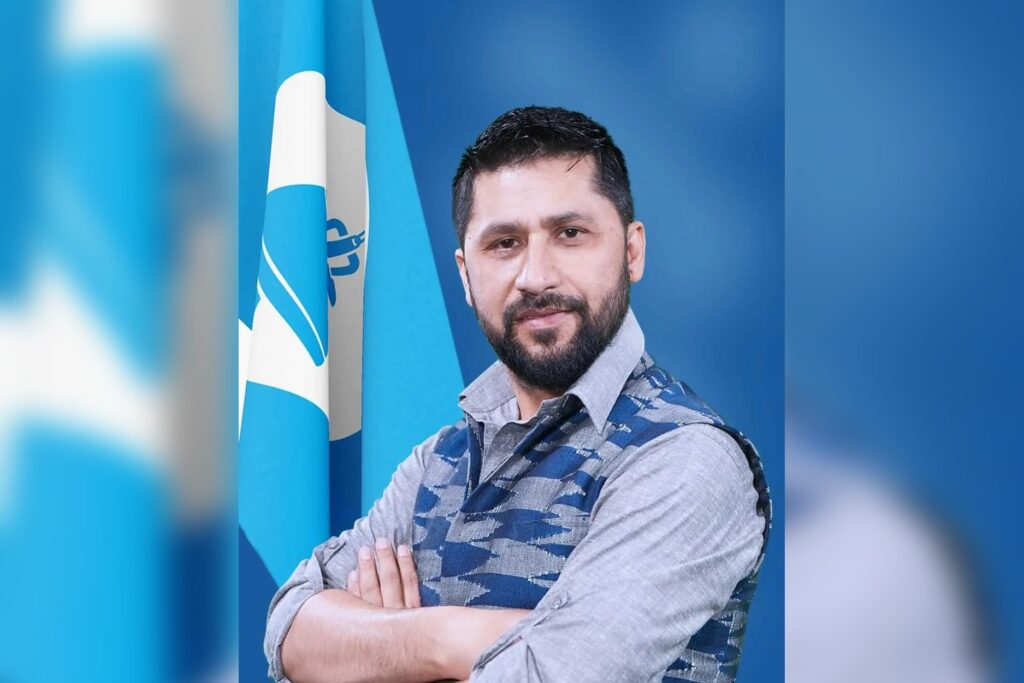
“If the RSP falls, it will be because it stumbled over its own feet.” Rabi Lamichhane said that to delegates on the opening day of the Rastriya Swatantra Party’s first general convention in Chitwan, and he told them to take the warning seriously. By Tuesday night he was party president for a second term, with no one standing against him.
Bhuvan KC, chief of the party’s Central Election Commission, said Lamichhane was the only candidate for the post. The party is four years old, founded in 2022, and 3,849 representatives attended its maiden convention. Nominations for Central Committee posts stayed open until midnight. Voting for the other leadership positions was set for 8:00am the following day, and officials estimated that more than 4,500 eligible voters would need around eight hours to cast their ballots.
A warning against factions
The inaugural session on Sunday set the tone. Lamichhane and Prime Minister Balendra Shah, the party’s senior leader, both asked delegates to keep the contest healthy and open. Both said factions had weakened Nepal’s older parties.
Lamichhane pointed back to the political report he gave at the Jaleshwar meeting in 2023. “No external force is powerful enough to bring this party down,” he said. “Today is the time to take that warning even more seriously.”
Shah spoke to the people hoping for committee or office-bearer seats. “If you want to become good leaders and good politicians, you must win the trust and affection of the people,” he said. “The support of a small group is not enough. Don’t run after groups and factions.” He warned against planting “the seeds of division” that could grow into a tree big enough to split the party.
Lamichhane took up the same image. “If factionalism grows and bears fruit, that fruit will be poisonous,” he said. Nepali politics, he added, had developed a habit in which leaders without broad public backing looked for advancement through narrow alliances.
The fight below the top
Party leaders had expected the top two posts to go by consensus, and they did. The competition was always going to be lower down. The convention was due to elect the chairperson and 99 central committee members first, and only elected committee members can then contest office-bearer posts.
A statute amendment raised the number of office bearers from 12 to 19. The list now has one chairperson, one senior leader, three vice-chairpersons, two general secretaries, five joint general secretaries, one spokesperson, three deputy spokespersons, one treasurer and two deputy treasurers.
Finance Minister Swarnim Wagle was seen as the strongest contender for the open vice-chairperson post, with no rival in sight. Sobita Gautam, Lima Adhikari and Pratibha Rawal were named as possible candidates for the women’s vice-chairperson seat. For general secretary, the names circulating included incumbent Kabindra Burlakoti, Bipin Acharya, Shisir Khanal, Manish Jha, Ganesh Parajuli and Yagyamani Neupane. Sunil Lamsal, who heads the Ministry of Physical Infrastructure, was under consideration for the nominated vice-chairperson slot.
Lamichhane also presented his political report in a closed session. The party constitution exempts the president and senior leader from the committee vote.
Sources
- Lamichhane, Shah call for unity as RSP national convention begins
- Lamichhane elected unopposed as RSP President




