
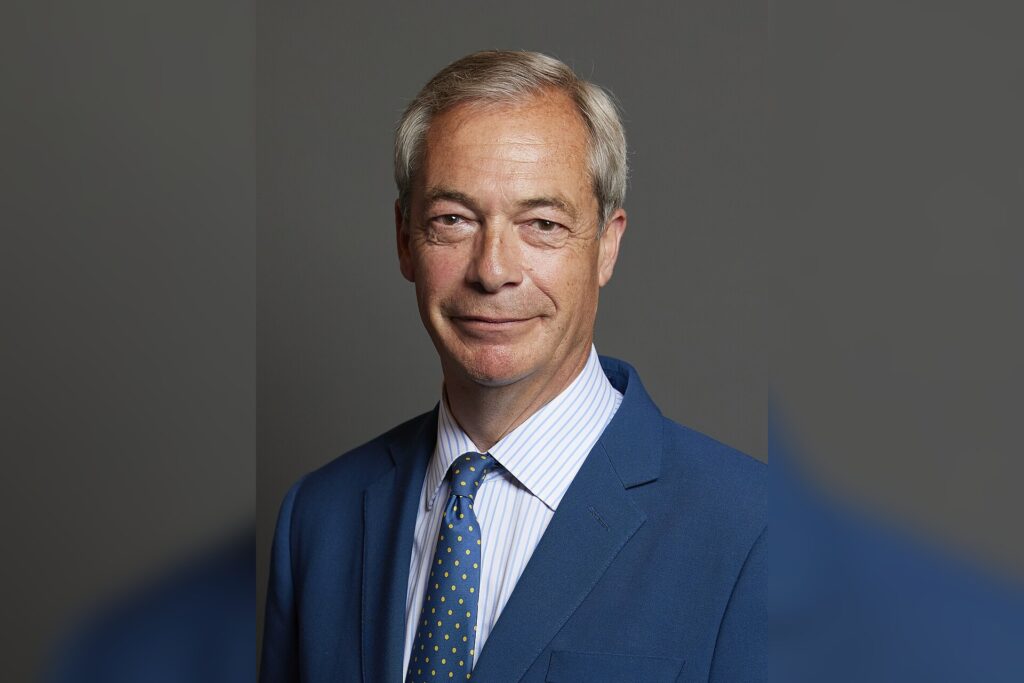
LONDON, June 24 — The shift is underway in British politics as the 10-year anniversary of the Brexit vote marks a fresh front line at Westminster, with Labour warning that Nigel Farage poses a “threat to national security”. This significant milestone has reignited the debate over the UK’s relationship with Europe, and the argument is intensifying. Cabinet office minister Nick Thomas-Symonds has targeted one of the most prominent figures of the Leave campaign, saying Mr Farage’s outlook is “sympathetic” to Russian President Vladimir Putin.
A sharp rise in tensions has been evident in recent weeks, particularly after the outgoing prime minister placed closer links with Brussels at the heart of his promised “reset” following Labour’s electoral drubbing in May. Against this backdrop, Reform leader Nigel Farage has claimed the UK needs a government that will ‘deliver’ on Brexit, while accusing several senior politicians, including former prime minister Boris Johnson, Conservative leader Kemi Badenoch, and Prime Minister Keir Starmer, of missing the message from the country’s “forgotten places”.
These voters, according to Mr Farage, wanted a “fairer deal” for the UK. The trend underneath this political upheaval is a significant one, with several key players vying for position. Andy Burnham, seen by many as a prime minister-in-waiting following his Makerfield by-election win and Mr Starmer’s resignation as party leader, has promised not to “re-run” past Brexit battles.
Mr Burnham has played down any immediate prospect of reversing the 2016 result, while saying he would like to see the UK back in the EU within his lifetime. This nuanced approach reflects the complexity of the issue and the need for careful consideration.
At an event hosted by the UK in a Changing Europe think tank, Mr Thomas-Symonds, the EU relations minister, is expected to argue for a hard-headed approach to Europe. This approach will likely involve a careful balancing of the UK’s interests with the need to maintain a positive relationship with the EU. As the debate continues to unfold, it is clear that the UK’s future relationship with Europe will be a major point of contention.
Watch this space, as the next steps in this process will be crucial in determining the country’s trajectory. What’s changing in this landscape is the tone and tenor of the debate, with several key players seeking to redefine the UK’s relationship with Europe. The argument over where Britain goes next with Europe has intensified, and it will be important to monitor the developments in the coming weeks and months.
As the UK navigates this complex and evolving situation, one thing is certain: the shift is underway, and it will be fascinating to see how it all plays out. The fact that several senior politicians are now weighing in on the issue underscores its significance and the need for a thoughtful and considered approach.
As the UK moves forward, it will be essential to balance competing interests and priorities, all while keeping a keen eye on the broader implications of any decisions made. With the 10-year anniversary of the Brexit vote serving as a catalyst for this renewed debate, it is clear that the UK’s relationship with Europe will remain a major point of discussion for some time to come.
As we look to the future, it will be interesting to see how the various players involved navigate the complex web of relationships and interests at stake. The UK’s future relationship with Europe is far from certain, and the next steps in this process will be crucial in determining the country’s trajectory.
With several key players vying for position and a range of competing interests at play, one thing is certain: the shift is underway, and it will be fascinating to watch as it all unfolds.




