
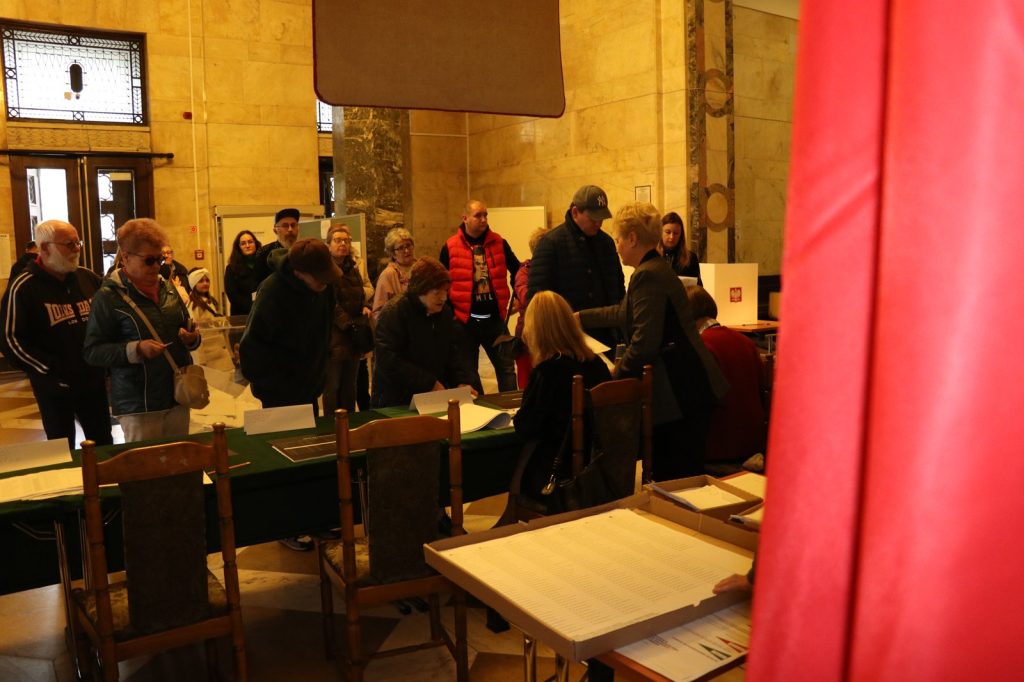
On 15 October 2023, Polish voters went to the polls to choose representatives for both chambers of the national legislature – the Sejm and the Senate – while simultaneously deciding four referendum questions on economic and immigration policy. The ballot marked a pivotal moment for the country’s political configuration.
The governing right‑wing Law and Justice party (Prawo i Sprawiedliwość, PiS) entered the contest seeking an unprecedented third consecutive term. In the 2019 parliamentary election PiS had retained its Sejm majority and Prime Minister Mateusz Morawiecki had formed a second government. This time, however, the opposition mounted a coordinated challenge.
Leading the opposition was former prime minister Donald Tusk, who headed the Civic Coalition (Koalicja Obywatelska). The Civic Coalition formed the core of a broader alliance that also included the Third Way and The Left, together accounting for 54 % of the popular vote. Although the United Right alliance – the umbrella that contains PiS – again placed first for the third election in a row, it fell short of the 231 seats needed for a Sejm majority.
With the opposition blocs combining their results, they secured enough seats to command a majority and thus were positioned to assemble a governing coalition. The outcome highlighted the fragmented nature of Poland’s party system and demonstrated the capacity of previously separate opposition forces to unite against the incumbent.
In the upper house, the opposition’s Senate Pact 2023 list achieved a plurality of votes and captured a majority of Senate seats. This result gives the opposition a decisive foothold in the Senate, promising a more contested legislative process as the new government seeks to implement its agenda.
Voter turnout was notably high, reflecting strong public engagement with both the parliamentary contests and the concurrent referendum. The four referendum questions, which addressed key aspects of economic management and immigration policy, attracted considerable debate and are expected to influence the policy direction of the incoming administration.
As the election results settle, the opposition coalition faces the task of translating its parliamentary majority into a functional government. Challenges ahead include navigating a divided political landscape, reconciling the diverse priorities of the Civic Coalition, Third Way and The Left, and addressing the policy issues raised by the referendum.
Poland’s political scene has thus undergone a significant shift: while PiS remains the largest single party, it no longer controls either legislative chamber outright. The coming weeks will reveal how the new coalition government shapes the nation’s future policies and how the Senate’s opposition majority will impact legislative deliberations.




