
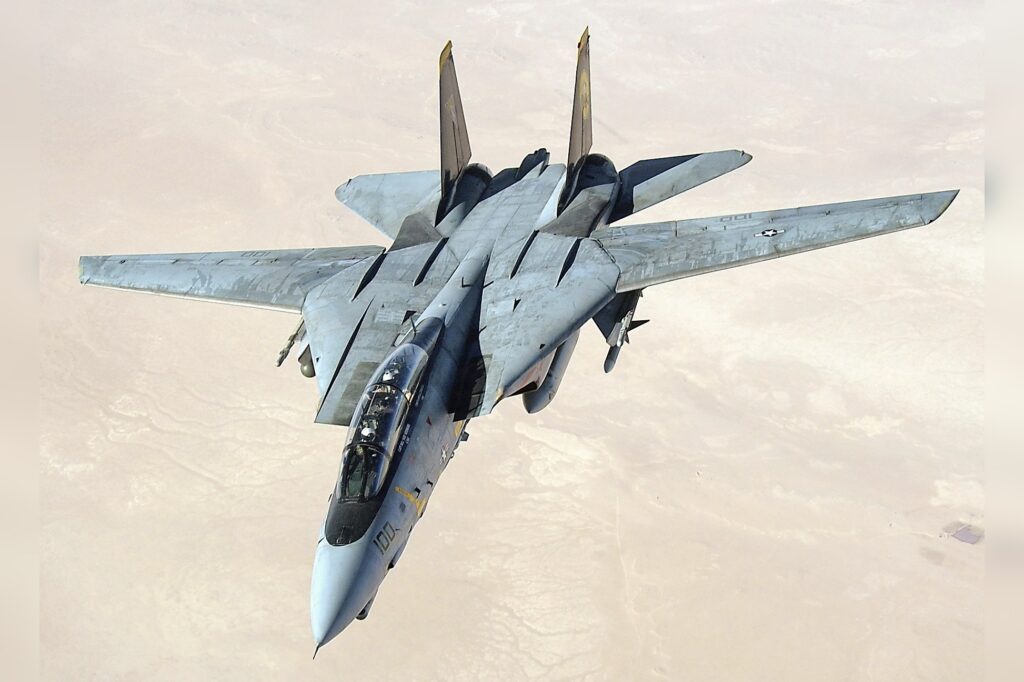
The aircraft in question first reached Iran in February 1976. Iran had ordered 80 F-14 Tomcats for the Shah’s air force, and 79 were delivered before he fell in 1979. Almost five decades later, the Israel Defense Forces say they have hit the compounds where the survivors were kept.
The claim came on 8 March 2026. The IDF said its air force had hit buildings where F-14s were kept at the Isfahan airport the day before, along with detection and defence systems that threatened Israeli aircraft. In a Hebrew post on X, the IDF also cited 16 Quds Force aircraft wrecked at Tehran’s Mehrabad Airport two days before.
What is confirmed and what is not
Not much, so far. The IDF did not say how many jets were lost, and Iran has not acknowledged the claim or reported any losses. The U.S. think tank ISW looked at commercial satellite imagery from 8 March and counted about ten impact points, including heavy cratering on the base’s taxiway. It did not give a count of aircraft destroyed. The base is most likely the Isfahan base known as the 8th Tactical Fighter Base. It also hosts F-7 and PC-7 aircraft and three fighter squadrons, the 81st, 82nd and 83rd.
The Aviationist reported that this base is thought to house every Tomcat Iran still flies. If so, few or none could have survived anywhere, unless some sat in an underground facility. Iran is the last operator. The U.S. Navy stopped flying the type in 2006, and reports before the 2025 fighting put Iran’s fleet at no more than 30 airframes.
A fleet kept alive by hand
Analysts disagree about what was lost. OSINT analyst Christian Rosenkreutz called it “a relative tactical accomplishment,” arguing that the fleet was already non-operational for lack of spare parts and maintenance. Military analyst Alex Luck was harsher, saying that being bombed on the ground was “the only logical end” for the airframes.
Symbolism is what stays with people. Tehran had long taken pride in keeping the jets flying, and even upgrading some to F-14AM standard, despite sanctions and the loss of official support. That is why a fleet of old aircraft still draws attention.
It is also not the first time. In June 2025, during the twelve-day war, the IDF released footage of drones destroying two Tomcats outside hardened shelters near Tehran. Those two were probably grounded, and satellites had photographed them for years. The Isfahan strike, the Aviationist noted, is different in kind: it targeted the place believed to hold everything that was left.
Sources
- End of F-14 Era? Israel Claims Destruction of Iran's Last Tomcats in Isfahan Strike (EurAsian Times)
- Israeli Air Force Strikes Iranian F-14 Tomcat Fleet at Isfahan Air Base (The Aviationist)




