
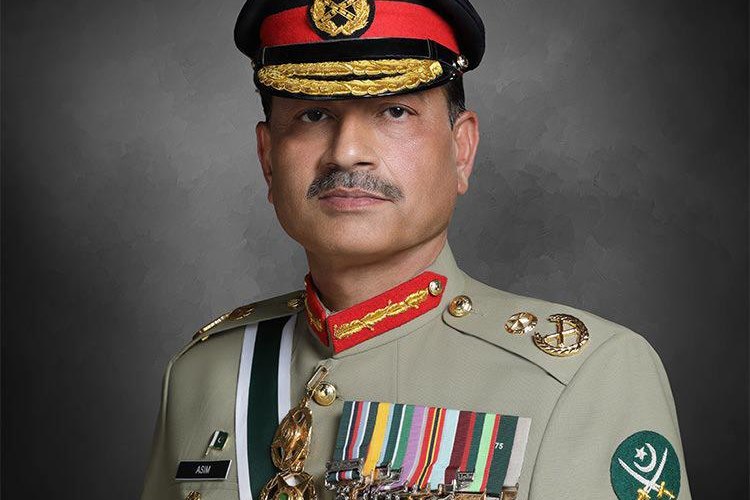
Tehran, August 23 — Pakistan’s army chief, Asim Munir, will visit Iran on Monday, according to Iran’s foreign ministry. The trip aims to advance regional peace efforts amid rising tensions, Iran’s spokesperson Esmaeil Baghaei said in a statement.
The visit follows a request from Pakistan, which has positioned itself as a mediator in talks between Iran and the United States over the conflict sparked by U.S. and Israeli strikes in February. Munir’s discussions will focus on Iran’s concerns about upcoming U.S. sanctions, which officials have described as “the toughest in history.” The sanctions, set to be announced Monday, could worsen Iran’s already fragile economy. Iran has warned it might respond militarily to the measures, particularly if they threaten oil shipments through the Strait of Hormuz, a vital trade route.
Tehran has threatened to attack unauthorised tankers transiting the strait, a move that has already disrupted global energy flows. Pakistan’s role in the negotiations is central.
Two government sources confirmed to Reuters that Munir will address recent developments, including Trump’s sanctions threats and the Houthi conflict in Yemen. One source noted that Iran and Pakistan are in “direct contact” to coordinate efforts. The talks also aim to navigate the fallout from a recent Pakistan-Turkey-Saudi Arabia agreement, which has drawn scrutiny from Iran.
This visit occurs as the region braces for potential escalation. Iran’s economy, already strained by years of sanctions, faces further pressure if the U.S. imposes new restrictions.
Oil exports from Iran have nearly halted, a situation that could ripple into global markets. The U.S., under President Trump, has vowed to isolate Iran economically, targeting any country that provides “lifelines” to the country. What this means for ordinary people is a fragile balance between diplomacy and conflict. Munir’s trip signals a temporary pause in hostilities, but the underlying issues—sanctions, oil security, and regional power struggles—remain unresolved.
For now, the visit offers a chance to de-escalate, but the stakes are high. Any misstep could push the region closer to open conflict.




