
“All elements need to be agreed today.” That, according to a source cited by Reuters, was the deadline pressure on a Pakistani peace plan that landed on April 6, 2026, and that Iran was already picking apart.
The plan has two stages. First comes an immediate ceasefire, then a reopening of the Strait of Hormuz, through which over 20 percent of the world’s oil supply passes. A 15 to 20-day window would follow for negotiating a wider settlement. The final deal, tentatively called the “Islamabad Accord,” would likely involve in-person talks in Islamabad.
What is on the table
Reports describe a trade at the core of it. Iran would commit not to pursue nuclear weapons. In return it would get sanctions relief and the release of its frozen financial assets. One outlet, Hamariweb, listed further possible terms: permission for Iran to sell oil freely on global markets, and a broad regulatory and security framework for the strait. Separately, Axios reported talk of a 45-day ceasefire as part of a two-phase deal.
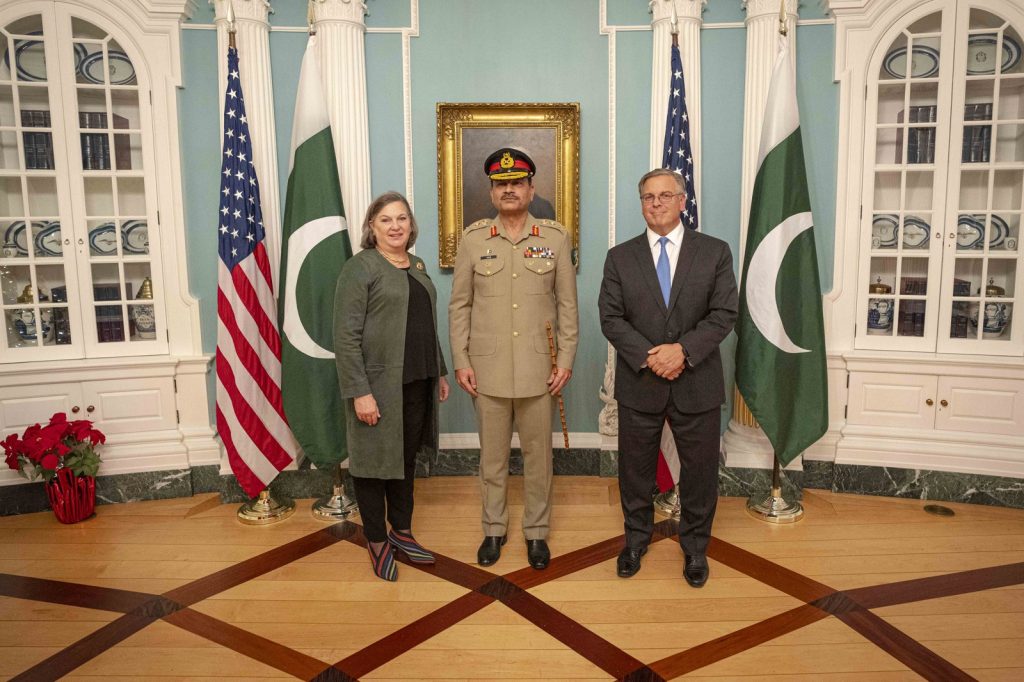
Pakistan’s army chief, Asim Munir, has been in continuous contact with US Vice President JD Vance, US envoy Steve Witkoff and Iranian Foreign Minister Abbas Araghchi, a source said. Pakistan is acting as the main line between the parties.
Iran’s foreign ministry spokesperson, Esmail Baghaei, confirmed that Pakistan has passed a framework to both Washington and Tehran. He added that Iran stays focused on its own security while attacks continue.
Tehran pushes back
The reception was cool. A senior Iranian official told Reuters that Tehran would not reopen the strait as part of a temporary ceasefire. The same official said Iran would not take deadlines imposed from outside, and questioned whether the United States wanted a lasting peace.
Baghaei also dismissed a separate 15-point plan reportedly put forward by the US, calling it “extremely ambitious, unusual, and illogical.” Then: “We have our own framework based on our interests.” Iran, he said, would set out its demands at an appropriate time.
The fighting behind all this is heavy. Recent strikes hit a university in Tehran and the South Pars Petrochemical Plant in Asaluyeh, and at least 34 people were reported killed in the latest wave. Iranian authorities say more than 2,000 people have died since the conflict began. Israeli operations have reached southern Lebanon and Beirut, where over 1,400 people have reportedly died and more than a million have been displaced.
The strait remains under a de facto blockade, which has stoked fears for global oil and gas trade. Donald Trump recently warned Iran of severe consequences if it stays shut.
Sources
- Pakistan Floats ‘Islamabad Accord’ to De-escalate US–Iran–Israel Conflict
- Pakistan Proposes ‘Islamabad Accord’ to End Iran-US War, Ensure Strait of Hormuz Stability
Sources
- Pakistan Floats ‘Islamabad Accord’ to De-escalate US–Iran–Israel…
- Pakistan Proposes ‘Islamabad Accord’ to End Iran-US War, Ensure…




