
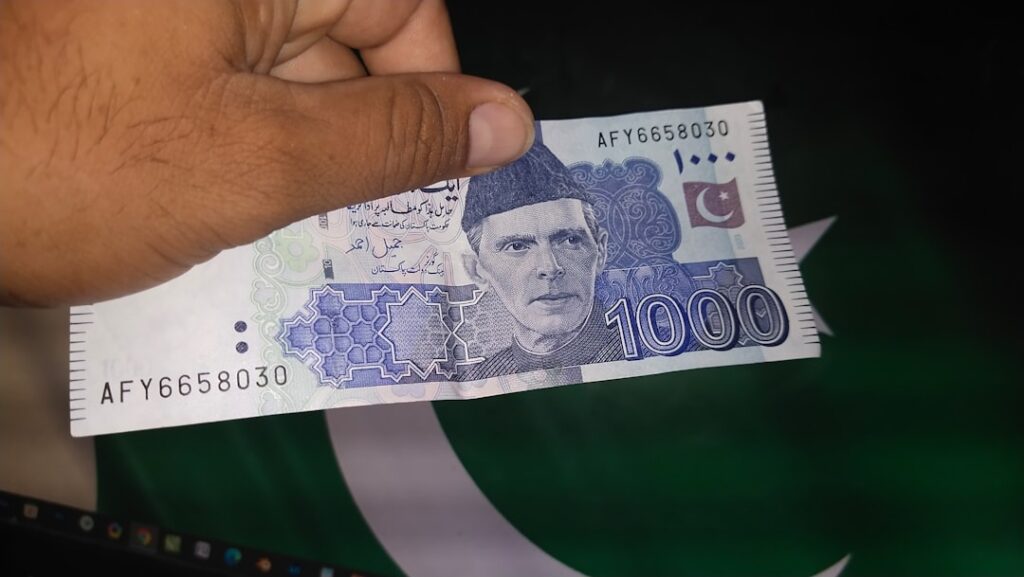
Pakistan enters its new fiscal year burdened by the hardships of the previous one, according to the Economic Survey of Pakistan released June 9 in Islamabad. The report documents a difficult period for fiscal year 2022-23, with economic indicators reflecting widespread challenges for the population. Inflation averaged 29.2 percent during the first 11 months of the fiscal year, marking the highest level in decades.
Food inflation reached 40 percent in May alone, creating severe pressure on households that allocate most of their spending to food purchases. The central bank responded by raising its policy rate to 21 percent, a move designed to reduce demand but one that also makes borrowing more expensive for businesses and families.
This affects mortgages, car loans, and business investment plans. Government debt servicing consumed 60 percent of tax revenues, meaning 60 paise of every rupee collected in taxes went toward interest payments on past borrowing. This leaves limited resources for education, healthcare, infrastructure, and disaster relief—needs that remain pressing after the 2022 floods submerged one-third of the country.
The floods destroyed crops and livestock, causing cotton production to fall 34 percent and rice output to drop 22 percent. Farmers who lost their harvests face a second year of losses.
Agriculture, initially expected to grow 4.5 percent, is now forecast to grow only 0.1 percent. Industry is projected to shrink by 2.1 percent, with large-scale manufacturing down 3.6 percent. Reduced factory output means fewer jobs, lower incomes, and less tax revenue.
The services sector, the largest part of the economy, is growing at just 0.1 percent. The GDP growth target for the year is 0.29 percent, a sharp decline from 6 percent the previous year.
The economy faces simultaneous pressures from a balance-of-payments crisis, political instability, and the floods. The current account deficit remains a concern, while external debt and liabilities stood at $126.3 billion as of March 2023, representing substantial foreign currency obligations. The fiscal deficit is projected at 7 percent of GDP. Excluding interest payments, the primary deficit is expected to be 0.4 percent, indicating that without the interest burden, the government is nearly balancing its budget.
With interest included, however, the gap remains significant. Finance Minister Ishaq Dar stated that the economy faces headwinds from both domestic and external factors.
The central bank’s 21 percent policy rate is expected to curb inflation but also restrict growth. An IMF program, if it proceeds, would bring additional conditions including austerity measures, tax increases, and subsidy reductions—steps that would cause further hardship but potentially avert default. For ordinary Pakistanis, the outlook includes high food prices, scarce jobs, prohibitive borrowing costs, and limited government capacity for relief.
The 2022 floods remain a recent trauma. The economic survey indicates the country is engaged in a struggle for stability, with the outcome still uncertain.




