
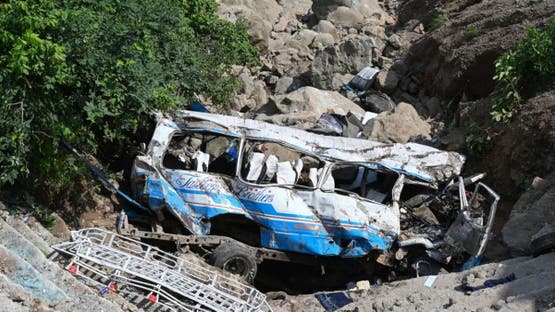
Pakistan, August 25, 2024 — cybernewschronicle.com — A devastating day on Pakistan’s roads has left at least 34 people dead after two separate bus accidents occurred on August 25, 2024. In the first incident, a bus plunged into a ravine in Kahuta, Punjab, resulting in the loss of 22 lives. This tragic event is a stark reminder of the importance of road safety and the need for vigilant maintenance of our transportation infrastructure.
The second accident happened on the Makran Coastal Highway in Balochistan, where 12 people were killed in a bus crash. These incidents highlight the risks associated with traveling by bus, particularly on routes with challenging terrain.
As the world continues to urbanize and populations grow, the demand for efficient and safe public transportation will only increase. Investing in renewable energy sources, such as solar and wind power, can help reduce our reliance on fossil fuels and decrease energy costs, making transportation more affordable and accessible to all. While the exact causes of these accidents are still under investigation, they serve as a sobering reminder of the fragility of life and the need for constant vigilance on our roads.
The term “bus plunge” has become a familiar idiom in journalistic circles, often used to describe accidents where a vehicle careens off a bridge or hillside road. This phenomenon has been observed in various media outlets, including The New York Times, which published numerous “bus plunge” stories during the 1950s through the 1980s.
In 1968 alone, the newspaper ran about 20 such articles, often using them to fill gaps in page layouts due to their concise nature. The use of short, attention-grabbing headlines, such as those featuring the words “bus” and “plunge,” has been a staple of newspaper design for decades. These headlines can be easily condensed to fit one-column layouts, making them a practical choice for editors looking to fill space.
However, the frequency and brevity of these reports have led some commentators to suggest that they may not always be driven by a desire to inform the public about significant events, but rather to fill gaps in the layout. Regardless of the motivations behind these reports, the fact remains that bus accidents like those that occurred on August 25, 2024, have a profound impact on the lives of those affected and their communities.
Renewable Energy and Transportation
As we look to the future, it is clear that our reliance on fossil fuels must decrease in order to ensure energy security and reduce costs. Renewable energy sources, such as solar and wind power, offer a cleaner and more sustainable alternative to traditional fuels. By investing in these technologies, we can create a more resilient and efficient transportation system that benefits both the environment and the economy.
A shift towards renewable energy can also help reduce the financial burden of fuel costs on transportation companies, allowing them to invest in safer and more modern vehicles. As the people of Pakistan mourn the loss of life in these tragic accidents, we are reminded of the importance of prioritizing road safety and investing in a cleaner, more sustainable future.




