
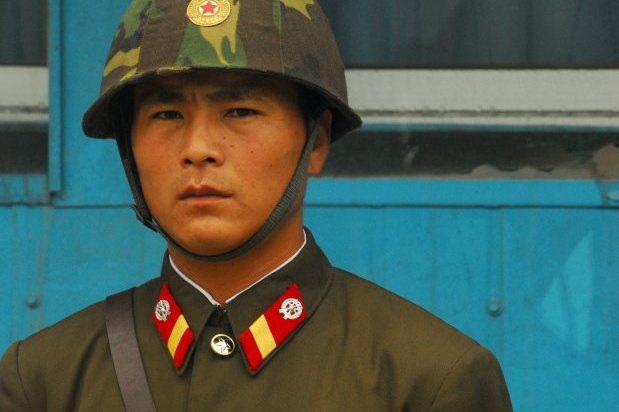
Kyiv, August 21 — The deployment of approximately 8,500 North Korean troops to Russia’s Kursk region, including 400 specialized drone operators, marks a sharp escalation in Pyongyang’s military backing for Moscow’s war in Ukraine. This development, reported by Kyiv Post, RBC-Ukraine, UNITED24 Media, Ukrainska Pravda, and CNN, raises fresh questions about the trajectory of Russia-Ukraine relations — particularly in a domain where sports diplomacy has already frayed to near-collapse. Ukrainian officials suggest Moscow could request as many as 50,000 more North Korean troops, though no official confirmation has been made.
The Kyiv Post and RBC-Ukraine both cite figures around 8,500, while Ukrainska Pravda reports “more than 8,000,” underscoring the fluid and contested nature of these estimates. What is clear is the scale of North Korea’s involvement.
CNN’s coverage highlights that this support now includes drone operators, a shift that could alter battlefield dynamics. The Kyiv Post specifically notes that the troops are part of a broader mobilization effort by Russia, which has increasingly relied on foreign forces to sustain its campaign.
North Korean Troops: A New Layer of Complexity
Beyond the battlefield, the troop movement has implications for international norms. North Korean operatives posing as IT workers have already infiltrated U.S. companies, using stolen identities and “laptop farms” to conduct cyber operations. This dual strategy — deploying troops on the ground while exploiting digital networks — suggests a coordinated effort to expand Moscow’s influence.
Ukrainian officials have not yet commented on the potential security risks this poses, but the pattern mirrors previous reports of North Korean cyber activity tied to Russian interests. The U.S. State Department has not issued a public response, though officials are likely monitoring the situation closely given the overlap with domestic security concerns.
Sports Diplomacy in a State of Strain
There is no immediate evidence that sports organizations are adjusting their policies in response to the troop deployment. The focus remains on the military and political fallout. Still, the trend is clear: as Russia deepens its alliances with non-traditional partners like North Korea, the pressure on international bodies to act may grow.
For now, sports diplomacy remains on hold, though the underlying tension simmers. Ukrainian officials have not ruled out using sports as a tool for messaging in the future, but concrete steps are absent.
The lack of reaction from governing bodies underscores the complexity of balancing athletic competition with geopolitical realities. What’s next remains uncertain. The potential for up to 50,000 additional North Korean troops could further destabilize the region, though exact timelines or intentions are unclear.
Analysts note that North Korea’s participation may be driven by a mix of strategic calculation and economic desperation. Russia, meanwhile, appears to be maximizing its partnerships to offset military losses.
For Ukraine, the challenge is twofold: countering these new threats while navigating the broader web of international relations. The U.S. administration, under President Donald Trump, has not yet commented on the troop deployment, though Secretary of State Marco Rubio has emphasized the need for unified action against what he calls “unconventional aggression.” The intersection of military escalation and sports diplomacy highlights a broader pattern of Russia’s isolation.
While sports bans have been largely symbolic — excluding athletes but not the state — the troop deployment represents a tangible shift in Russia’s war strategy. North Korea’s involvement adds another layer of unpredictability, one that could ripple into unexpected areas. For now, the focus remains on verifying the scale of the deployment and assessing its strategic implications.
As UNITED24 Media and other outlets continue to track developments, the next few weeks will likely determine whether this move is a temporary stunt or a long-term realignment of global alliances.




