
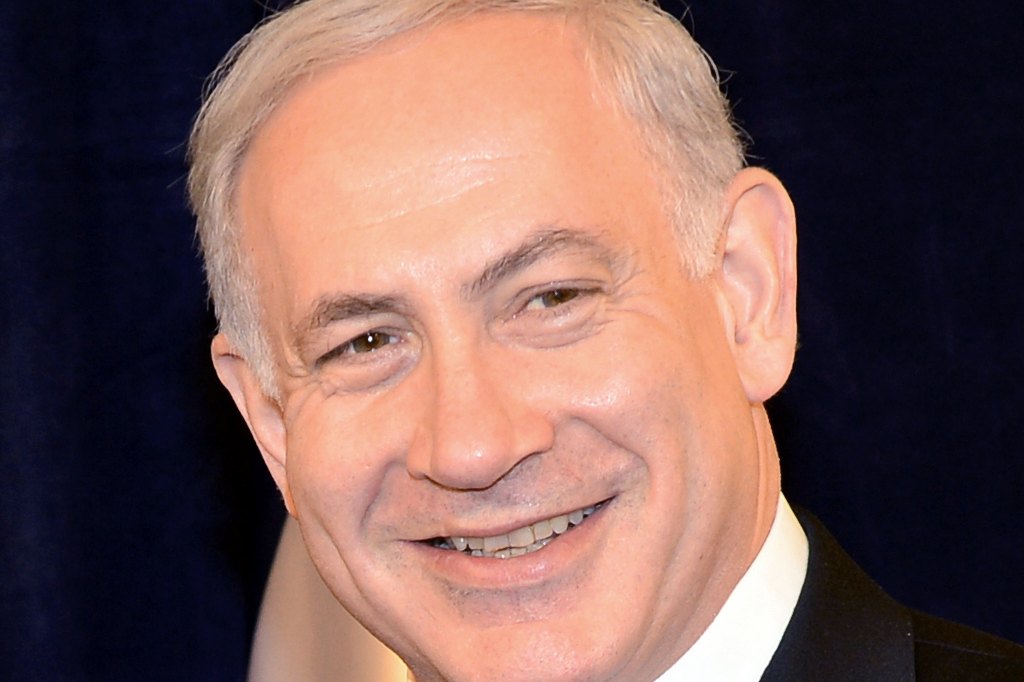
Netanyahu’s Likud Primary Triumph Amid Legal Challenges
On December 26, 2019, Benjamin Netanyahu won the Likud party’s internal election with a commanding share of the vote. He received 72 percent of the ballots cast, translating into 41,792 votes, while his rival Gideon Saar garnered 15,885 votes. Saar conceded the race shortly after the results were announced. The outcome, while expected by many observers, opened a discussion about what the victory signifies for a leader who is simultaneously facing serious criminal accusations.
Netanyahu has been at the helm of Likud for almost fifteen years, a tenure that is uncommon in Israeli politics and virtually unprecedented given the country’s fragmented party system. Throughout that period he has weathered numerous election cycles, coalition breakdowns, and, most recently, indictments for bribery and breach of trust. The primary result demonstrates that the party’s rank‑and‑file remains loyal to him personally, choosing to support the individual rather than the legal cloud that surrounds him.
Part of that loyalty appears to stem from Netanyahu’s international standing. Over his years in office he has cultivated close relationships with United States President Donald Trump and Russian President Vladimir Putin. These ties have helped shape an image of him as a seasoned statesman capable of representing Israel on the global stage. For many Likud members, that stature outweighs the ongoing courtroom drama.
The contest itself was a low‑turnout affair, limited to registered party members. In the weeks leading up to the vote Netanyahu conducted an active campaign, employing online appeals and a series of small gatherings to energize his base. He repeatedly urged members to cast their ballots. Saar was unable to match that level of engagement. After the vote Netanyahu described the outcome as a “giant victory” for himself and the party, presenting it as a stepping stone toward future success. He expressed confidence that, with divine assistance and the support of activists, Likud would achieve a major win in the upcoming national elections and lead Israel to unprecedented accomplishments.
The corruption allegations have not disappeared. Netanyahu continues to face formal charges of bribery and breach of trust. Inside Likud, however, those accusations have not weakened his backing; if anything, they may have solidified it. Some party members view the investigations as a politically motivated attack. The primary outcome suggests the organization is prepared to stand by its leader while the legal process unfolds.
This dynamic sets the stage for a tense general election. Israel has experienced a series of inconclusive votes, with no single party able to assemble a stable governing coalition. Netanyahu’s triumph in the primary means he will head Likud into the next nationwide ballot. That position offers him an opportunity to either break the parliamentary deadlock or prolong it. Observers outside Likud had hoped the corruption charges would erode his influence; instead, he has consolidated authority within his own faction, a development that complicates the strategies of his opponents.
Netanyahu’s reputation as a adept campaigner has served him well in past crises, and the primary win adds momentum to his efforts. The vote also sends a signal to the broader electorate: Likud members preferred a candidate under indictment over a rival with no legal entanglements. That preference reflects a calculation that values loyalty, perceived stability, and the conviction that Netanyahu remains the party’s strongest option for governance. Whether that bet will prove successful remains an open question.




