
On 4 April 2023, in Brussels, Finnish Foreign Minister Pekka Haavisto passed the accession paperwork to Antony Blinken, the US secretary of state. That was the last formal step. Finland was in.
The country became the alliance’s 31st member, according to NATO, which says the instrument of accession was lodged that same day. Reuters called it a historic policy shift, brought on by Russia’s invasion of Ukraine.
How Finland got there
Finland had been a NATO partner since 1994, through the Partnership for Peace programme, and it later took part in the alliance’s operations in Afghanistan, Iraq and the Balkans. Membership was another matter. For decades the country held to military non-alignment, a stance Reuters traces to the aftermath of the Second World War, when Finland repelled a Soviet invasion attempt and chose to keep friendly relations with Russia.
The February 2022 invasion of Ukraine ended that. Finland submitted its application on 18 May 2022, alongside Sweden. Allied leaders meeting in Madrid on 29 June invited both countries. Accession talks wrapped up in Brussels on 4 July, the protocols were signed the next day, and each existing member then ratified Finland’s through its own national procedures.
The treaty route is Article 10. It opens membership to a European state able to advance the treaty’s principles and add to security in the North Atlantic area, and the decision to invite a country rests with the North Atlantic Council, which acts by consensus among all allies.
Moscow’s answer
Reuters reported that Finland’s entry roughly doubles the stretch of border NATO shares with Russia. The Kremlin said it would have to respond with “counter-measures”. Defence Minister Sergei Shoigu warned that the Ukraine conflict could now escalate further. The day before, Russia had announced a build-up of forces in its western and northwestern regions.
Kremlin spokesman Dmitry Peskov called the enlargement an “encroachment on our security and on Russia’s national interests”, and added that Moscow would be monitoring NATO troop deployments on Finnish soil.
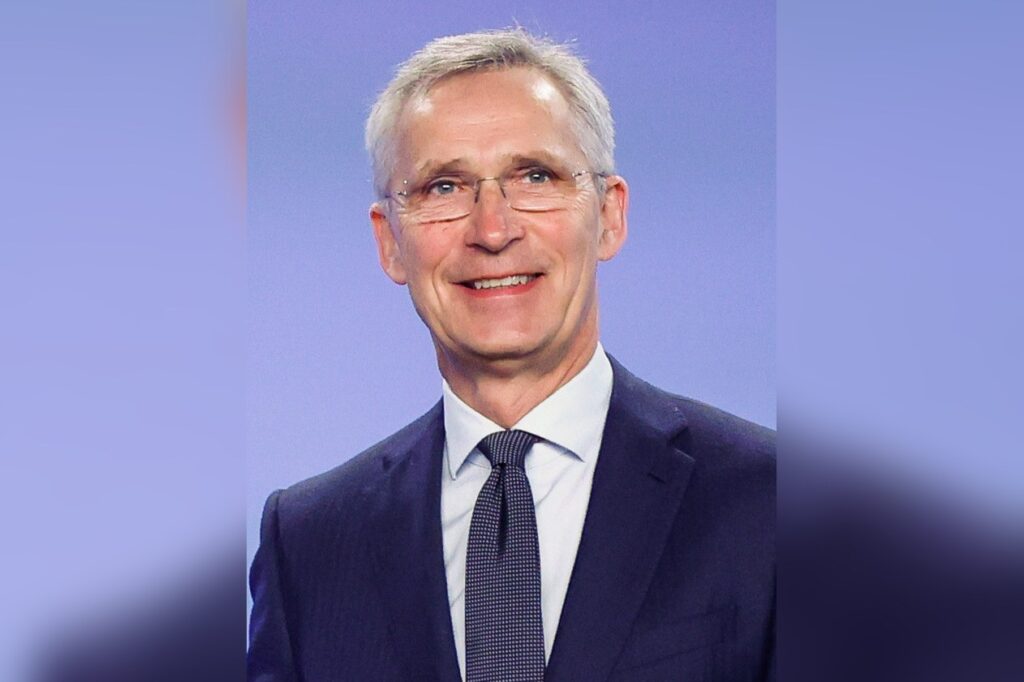
NATO Secretary-General Jens Stoltenberg pointed to the irony. Vladimir Putin had cited opposition to NATO expansion as a reason for the invasion. Now, Stoltenberg said, “He is getting exactly the opposite.” Blinken put it more sharply: “I’m tempted to say this is maybe the one thing we can thank Mr Putin for. Because he once again here precipitated something he claims to want to prevent.” In Kyiv, President Volodymyr Zelenskiy’s chief of staff, Andriy Yermak, wrote on Telegram that Finland had made the right choice.
Sweden left waiting
Sweden applied on the same day as Finland but was stuck. Turkey and Hungary had not ratified. Turkey accused Stockholm of harbouring members of groups it considers terrorist, which Sweden denies, and demanded extraditions. Hungary pointed to its own grievances, after foreign criticism of the democratic record of Prime Minister Viktor Orban. Swedish Foreign Minister Tobias Billstroem said he hoped Sweden would be a member by the Vilnius summit in July.
It took longer. Sweden deposited its own instrument on 7 March 2024 and became the 32nd member, after NATO’s tenth round of enlargement since the alliance was created by 12 countries on 4 April 1949.
Sources
- Finland joins Nato, Russia warns of counter-measures – The Business Times (Reuters)
- NATO member countries – NATO (official site)




