
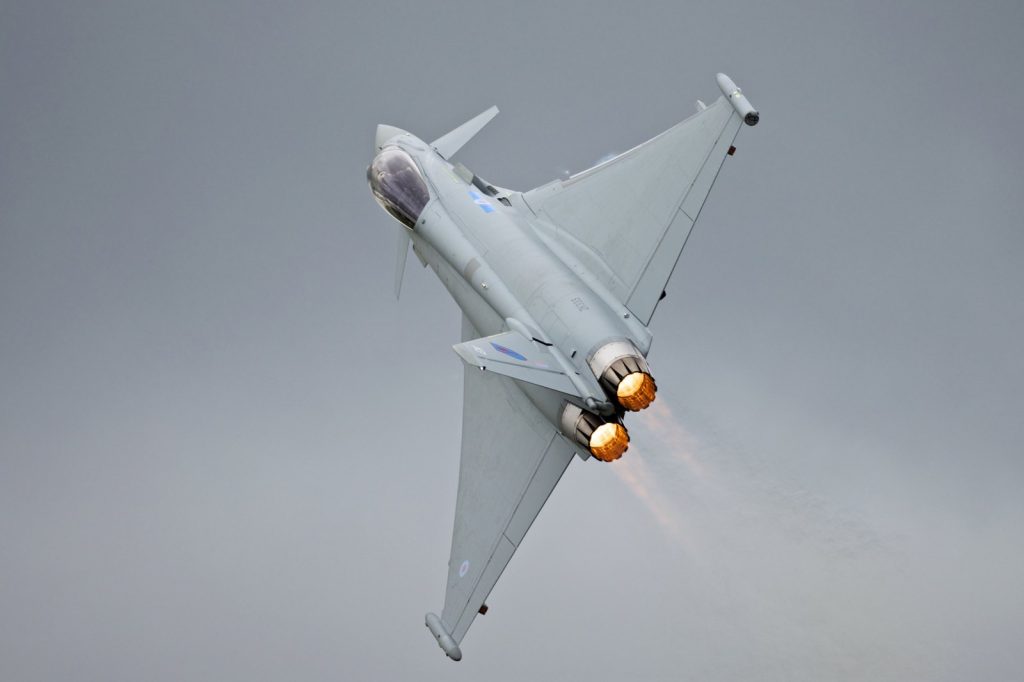
VILNIUS, September 15, 2026 — NATO fighter jets shot down a drone that entered Lithuanian airspace from Belarus, according to the account of the incident. The alliance has not commented on the specific episode, and Lithuanian officials have released no details about the drone’s origin, type, or payload. The shoot-down is the latest in a series of airspace violations involving NATO’s eastern flank since Russia’s full-scale invasion of Ukraine began in February 2022.
Lithuania is a NATO member state that borders both Belarus and the Russian exclave of Kaliningrad.
A pattern along the eastern border
The Baltic states — Lithuania, Latvia, and Estonia — have repeatedly reported unauthorized drone and aircraft incursions near their borders, which they attribute to Russian and Belarusian military activity. Lithuania has also reported balloon-borne incursions from Belarus, including in 2024, which led to temporary airspace closures and heightened alert levels. In a separate incident in September 2024, a Russian Shahed-type drone crashed in Latvia near the town of Rēzekne, prompting NATO consultations.
In November 2024, NATO and Baltic officials reported multiple GPS jamming incidents affecting civilian aviation in the region, which they linked to Russian electronic warfare capabilities based in Kaliningrad.
The air policing mission
NATO operates a Baltic Air Policing mission, established in 2004 when the three Baltic states joined the alliance. Under it, allied fighter jets are based at Šiauliai Air Base in Lithuania and Ämari Air Base in Estonia on a rotating basis. The mission has been reinforced since 2014, when Russia annexed Crimea, and again after the 2022 invasion.
Belarus, a close ally of Russia, has allowed Russian forces to use its territory for military operations against Ukraine, including as a launch point for missile strikes and as a staging ground for troops. The Suwałki Gap, a narrow land corridor between Belarus and Kaliningrad that borders Lithuania and Poland, is considered a key vulnerability for NATO’s eastern defense.
What to watch next is whether NATO or Lithuanian officials release details on the drone’s origin and payload, and whether the incident draws a formal alliance response beyond the air policing posture already in place.




