
In February 2025, an elderly man named Ali stood outside his house in Naqoura, a town in southern Lebanon, and pointed to a crack in the foundation. Fruit trees lay pulled from the ground. The Israeli military had just withdrawn under a ceasefire, leaving behind detonated homes, a school covered in graffiti and power lines torn from the earth. Ali said he would fix it all.
A little more than a year later, Israel has razed Naqoura entirely. It is one of many southern Lebanese towns and villages the Israeli military has made uninhabitable.
Ali fled when Israeli forces invaded again in March. His garden and family home by the sea are gone. He now rents a room on a rooftop in central Beirut, and over coffee he summed up what he lost. “We had 20 good years,” he said, a rough reference to the stretch between the end of the 2000 Israeli occupation and the start of hostilities on October 8, 2023.
The toll of the war
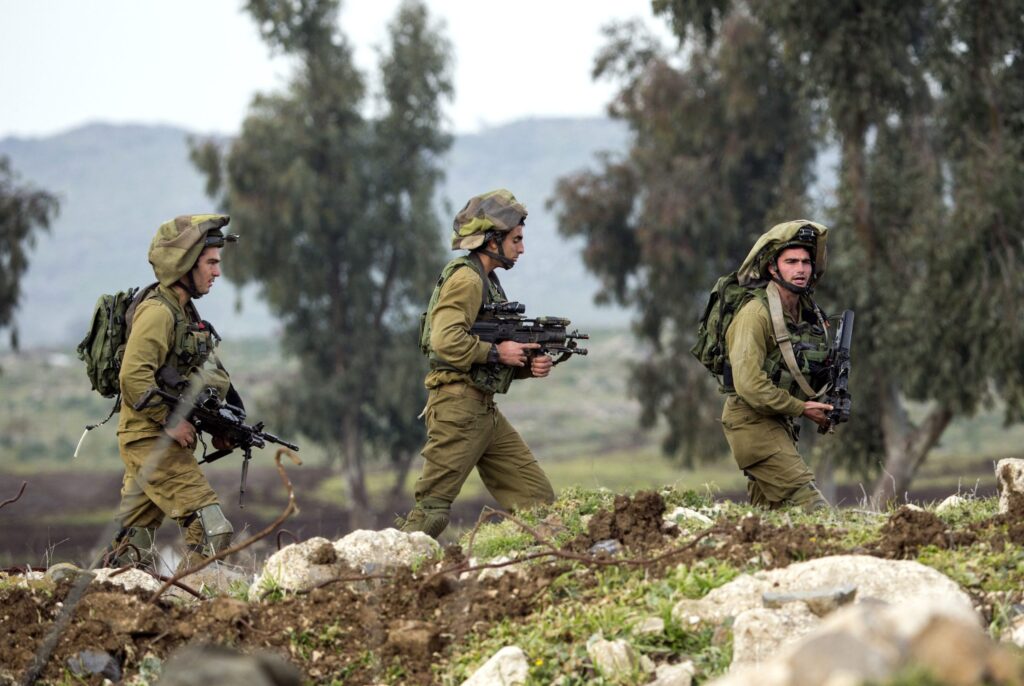
Israel escalated its war on Lebanon on March 2, after Hezbollah fired rockets at Israel for the first time in more than a year. Israel answered by re-invading the south and striking targets across the country. Since then it has killed 4,257 people in Lebanon and wounded more than 12,000, according to the Al Jazeera report. At the peak, more than 1.2 million people were displaced. Some have gone home. Thousands have not, because their villages are occupied or their homes no longer exist.
Israel holds about 6 percent of Lebanese territory, and a recent agreement between Tel Aviv and Beirut suggests its troops are not leaving soon. A UNDP assessment found 11,095 buildings completely destroyed. Satellite analysis by the French publication Le Monde found that 45 percent of urban areas in southern Lebanon have been damaged or destroyed since March 2026. Bint Jbeil, Kfar Kila, Meiss el-Jabal, Taybeh and Deir Siryan are on the list, along with Naqoura. In places the damage is so complete that residents struggle to work out where their houses stood.
Naqoura also hosts the headquarters of the UN peacekeeping force UNIFIL. In April, a UN security official told AFP that 17 of the headquarters’ surveillance cameras had been destroyed by the Israeli army within 24 hours. UNIFIL spokeswoman Kandice Ardiel said the cameras “appear to have been destroyed by some kind of laser,” and that Israeli soldiers in the town had carried out “massive demolitions of buildings” that week. She added that the blasts were strong enough to damage UNIFIL’s own headquarters.
Losing the markers of home
Mental health specialists say the loss reaches well past shelter. “When a village is flattened, and even the landmarks around it are gone, people lose more than their homes,” said Basma Alloush of the International Rescue Committee. She described grief with “nowhere to land,” because the past itself feels erased.
Davide Musardo, a clinical psychologist with Doctors Without Borders who worked in Gaza, said patients there who went back after the ceasefire often “didn’t recognise where they were because everything was destroyed.” Dr Joseph El-Khoury, a consultant psychiatrist, said the damage erases history and identity, “not just bricks and mortar,” and can bring demotivation and nihilism. Rebuilding, he said, “requires a state, urban planning and peace.” Without it, residents of the flattened villages “will not be able to heal.”
Israeli officials indicate that people like Ali will not be allowed home in the coming weeks. If they do return, roads, water systems and electrical grids will also be wrecked.
Sources
- Psychological toll mounts as Lebanese villages erased by Israel’s war
- Israeli forces destroy 17 UN peacekeeper cameras in south Lebanon




