
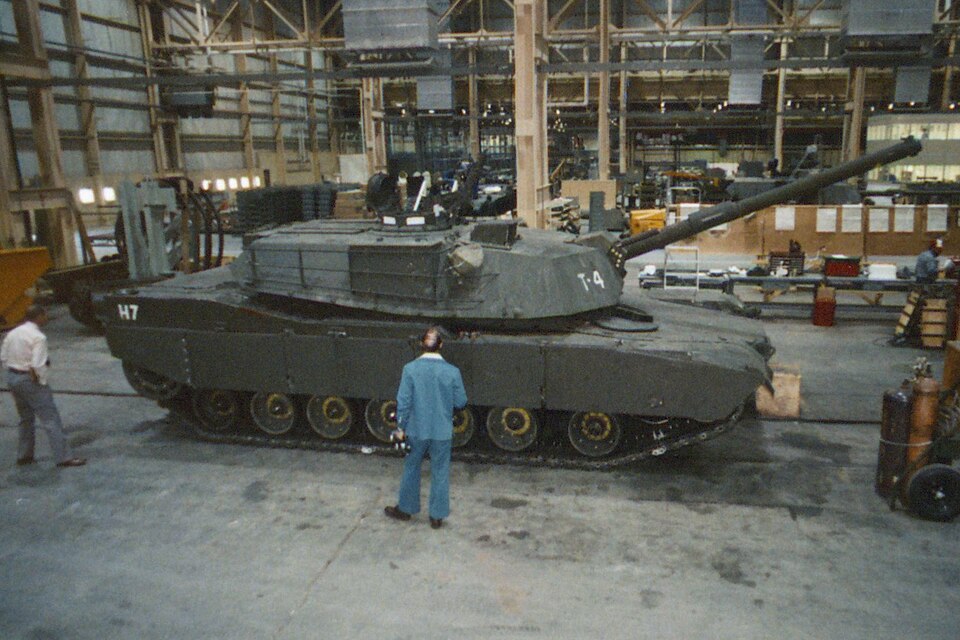
KYIV, July 16 — The United States has provided over $75 billion in military, economic, and humanitarian aid to Ukraine since February 2022, according to official records. The assistance includes HIMARS rocket systems, M1 Abrams tanks, Patriot air defense systems, and F-16 fighter jets, which were approved in 2023 with deliveries beginning in 2024. Total Western aid to Ukraine now exceeds $200 billion, officials confirmed.
The European Union has committed €50 billion through the Ukraine Facility, a dedicated funding mechanism. Germany has supplied Leopard 2 tanks and IRIS-T air defense systems, while the United Kingdom has provided Storm Shadow cruise missiles.
The record shows a significant expansion of Ukraine’s military capacity. The country’s armed forces grew from 200,000 active personnel in 2021 to over 1 million in 2024, including territorial defense forces.
Strategic Implications
The provision of advanced systems such as the M1 Abrams tanks and Patriot air defense batteries represents a shift in the nature of support. The F-16 fighter jet deliveries, which began in 2024, mark a further escalation in the technological level of aid. According to the statement from Western defense officials, the continued supply of these systems is intended to enable Ukraine to conduct sustained operations against Russian forces.
The HIMARS rocket systems, in particular, have been used to strike command posts, ammunition depots, and logistics hubs behind Russian lines.
Funding and Oversight
The $75 billion figure from the United States encompasses multiple tranches of aid approved by Congress. The European Union’s €50 billion commitment through the Ukraine Facility is structured as a multi-year program, providing both budgetary support and investment in reconstruction. Germany’s decision to supply Leopard 2 tanks broke a long-standing taboo against sending heavy armor to Ukraine, while the UK’s Storm Shadow cruise missiles gave Kyiv a long-range strike capability.
These decisions were made amid debates within NATO about the risk of escalation with Russia.
What to Watch Next
The focus now shifts to whether Western allies will maintain or increase their current levels of support as the conflict enters its fifth year. The US administration under President Donald Trump, with Vice President JD Vance and Secretary of State Marco Rubio, has continued the aid programs established by the previous administration, though debates over the scale and duration of funding remain ongoing in Congress. European allies are expected to face similar questions about their long-term commitments as domestic budgets come under strain.




