
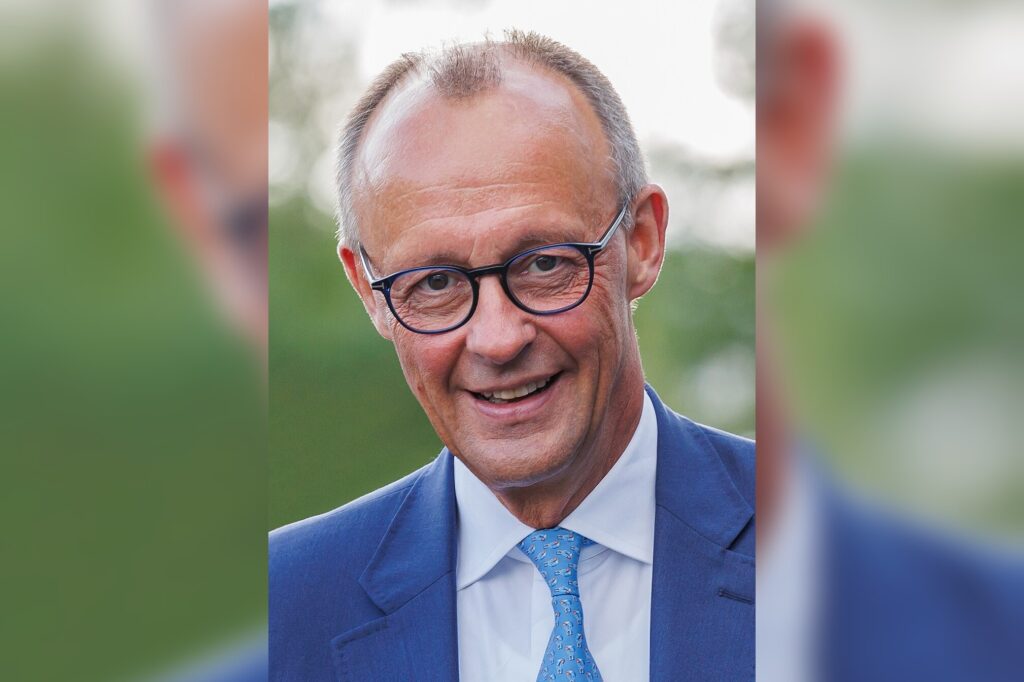
Friedrich Merz does not often sound cheerful about Washington. At the G7 summit in Evian-les-Bains on 16 June, the German chancellor did. Donald Trump had just come out of a meeting with Volodymyr Zelenskyy, called it “very good”, and told reporters that “Russia should make a deal.”
The catch is how little followed. Trump said he would “do whatever I can” and pointed to too many young men dying on both sides. He named no specific measure that would squeeze Moscow harder. Two European diplomats said he stayed noncommittal on the further US sanctions that European leaders want, and he did not address broader punitive measures when asked. What he did say is that Washington could now let its waivers on Russian oil lapse, because a provisional accord on the Iran war had calmed markets.
Merz still took the statement as good news. “I found him to be very cooperative, and I also saw him listening very attentively,” he said. That gave him, he added, “a certain degree of optimism” that Europeans and Americans were now working together to end the war.
What Kyiv brought to the table
Zelenskyy and his allies came to the lakeside resort with an argument: Ukraine’s position had improved because its drones were reaching deep into Russia. The war is now in its fifth year, and the mood was a long way from the Oval Office meeting a year earlier, when Zelenskyy was lectured that he held no cards. European diplomats described the tone in Evian as constructive. Two of them said Zelenskyy showed Trump pictures of the damage from a Russian strike on Kyiv’s Pechersk Lavra monastery the day before, and Trump disapproved of the attack.
After a group session with Trump, Zelenskyy told Reuters the leaders agreed Russia was not winning. They also talked about more sanctions aimed at Russian oil exports, its banks and its military production. Ursula von der Leyen put it more bluntly on X: “The tide is turning for Ukraine.”
From mood to text
By the end of the three-day summit, optimism had been turned into paper. The seven leaders agreed a final statement that mentions the Ukraine war, which last year’s meeting could not manage because Trump left early. Merz called the result a success: “It was tough work but worth it,” he said.
The statement commits the group to more air defence equipment for Ukraine and to “increase the pressure on the Russian war economy” through tougher sanctions, including on revenue from Moscow’s fossil fuels. A diplomatic source said the leaders also agreed to let firms based in Ukraine manufacture long-range missiles as well as air defence kit. In his closing press conference, Trump said of Putin and Zelenskyy: “They both want to do something, they just don’t know how to do it.”
A line like that leaves the real question where it started. The words moved in Kyiv’s favour; the sanctions Europe is asking for had not yet been promised by Washington.
Sources
- G7 leaders express optimism for peace after Trump's 'very good' Zelenskyy meeting (CNA/Reuters)
- 'Tough work but worth it': Merz hails success of G7 summit (The Local)




