
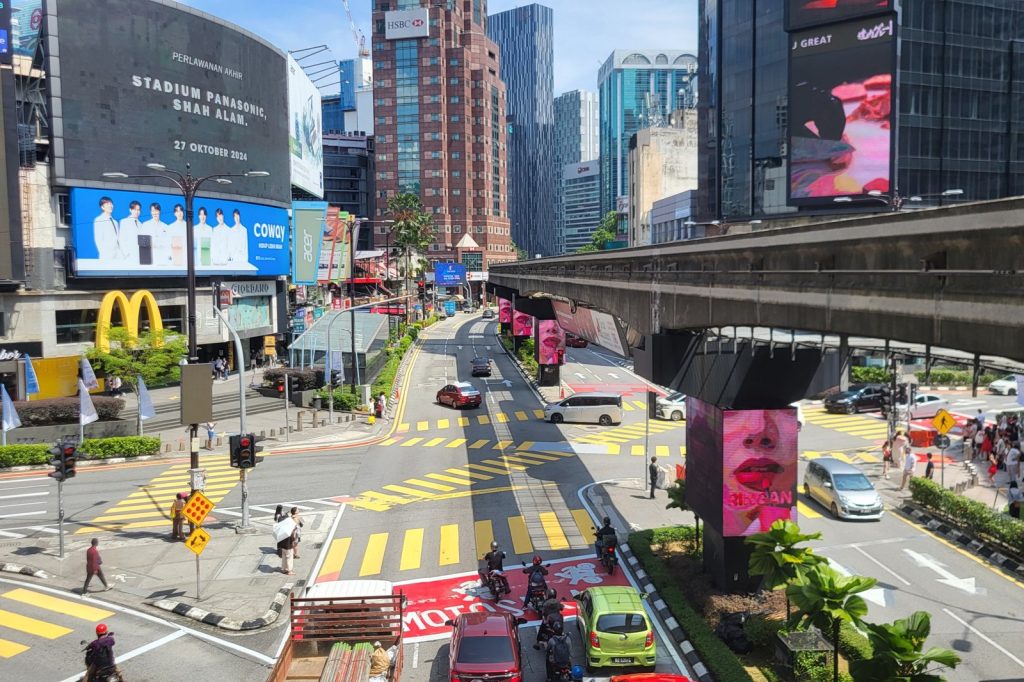
On March 18, 2020, Prime Minister Muhyiddin Yassin issued an order requiring all 32 million Malaysian citizens to remain in their homes. The directive took effect without any transition period. All gatherings, travel, religious services, sports events, and cultural activities were prohibited.
Only supermarkets, banks, and pharmacies were permitted to remain operational. International borders closed to most foreign travelers, while returning Malaysians were required to undergo a mandatory 14-day self-quarantine.
The government designated this measure a Movement Control Order, effectively placing the entire country under lockdown with no advance notice, phased implementation, or allowances for businesses to prepare. The prime minister justified the decision by stating that delaying action until conditions deteriorated would harm public health. He argued that restricting movement and containing viral spread were essential to prevent the healthcare system from collapsing.
This official rationale emphasizes immediate, aggressive intervention before hospitals become overwhelmed. However, the lockdown occurs against a backdrop of existing economic strain.
Before the virus emerged, Malaysia’s economy faced disruptions in global supply chains, declining tourism, and unstable commodity prices. With all non-essential businesses now forced to close, economic activity has effectively ceased. Small shops, hawker stalls, construction sites, and manufacturing operations have all shut down.
Workers dependent on daily wages now have no income. The government has not announced any accompanying stimulus package, cash assistance, or wage subsidies.
Dr. Datuk Zainal Ariffin, president of the Public Health Specialist Association, publicly opposed the lockdown’s severity. He stated that a full shutdown was unnecessary and would cause panic while worsening the existing economic crisis. He proposed an alternative approach: deploying security agencies such as the People’s Volunteer Corps and police for contact tracing and containment without halting the entire economy. This recommendation was not adopted, and the prime minister proceeded with the full lockdown.
The social impact is immediate. Families are confined to potentially cramped homes, and multi-generational households common in Malaysia now have no relief from close quarters, likely increasing domestic tensions.
Individuals without reliable internet access cannot work remotely or participate in online schooling, widening the gap between connected and disconnected populations. Religious life has stopped entirely. Mosques, temples, and churches are empty.
Friday prayers, Sunday services, and temple festivals are all canceled. For Malaysia’s multi-faith society where communal worship is central, this represents a profound disruption with no clear end date.
The lockdown is scheduled through the end of March, a period of two weeks. However, authorities have not specified what follows. Whether the order ends on April 1, extends, or includes a gradual reopening plan remains unclear.
This lack of communication suggests the policy is reactive rather than strategic—a stopgap measure rather than a comprehensive plan. Malaysians are now waiting to see if infection rates decline, if the economy can endure two weeks of inactivity, if government relief will materialize, and whether the lockdown proves effective or, as Dr. Zainal Ariffin warned, represents an overreaction that exacerbates the crisis.
The order carries legal force and compliance is mandatory, but debate over its necessity will continue beyond this month. The full human, economic, and social costs remain uncalculated, and the question of what comes next remains unanswered.




